Cemented carbide is widely used in industry for its excellent wear resistance, high strength and high hardness. Spraying a tungsten carbide (WC) layer onto a tougher steel substrate combines the best of both materials: a hard, corrosion-resistant working surface over a shock-absorbing core. Properly applied, these coatings markedly extend the service life and reliability of the workpiece.
Key Properties of Sprayed WC Coatings
| Property | Typical value |
|---|---|
| Coating hardness | 1000–1250 HV0.3 (≈ HRC 70 and above) |
| Typical thickness | 0.10–0.50 mm |
| Porosity (HVOF) | < 1% |
| Service temperature | Up to 450 °C (WC-Co), up to 550 °C (WC-CoCr) |
- High hardness and wear resistance – the coating withstands severe abrasive and erosive wear and keeps dimensions stable over long production runs.
- Oxidation resistance – good resistance to hot-gas oxidation improves reliability in harsh service.
- Low friction coefficient – special WC formulations reduce friction, cutting energy losses and raising mechanical efficiency.
Process Options
We select the heat source according to the part geometry, coating thickness and duty:
| Process | Best for | Notes |
|---|---|---|
| Plasma spraying | Large areas, ceramic-carbide blends, insulating layers | High throughput, good for batch work |
| HVOF | Densest WC coatings, pump shafts, gates | Supersonic particle velocity, porosity < 1% |
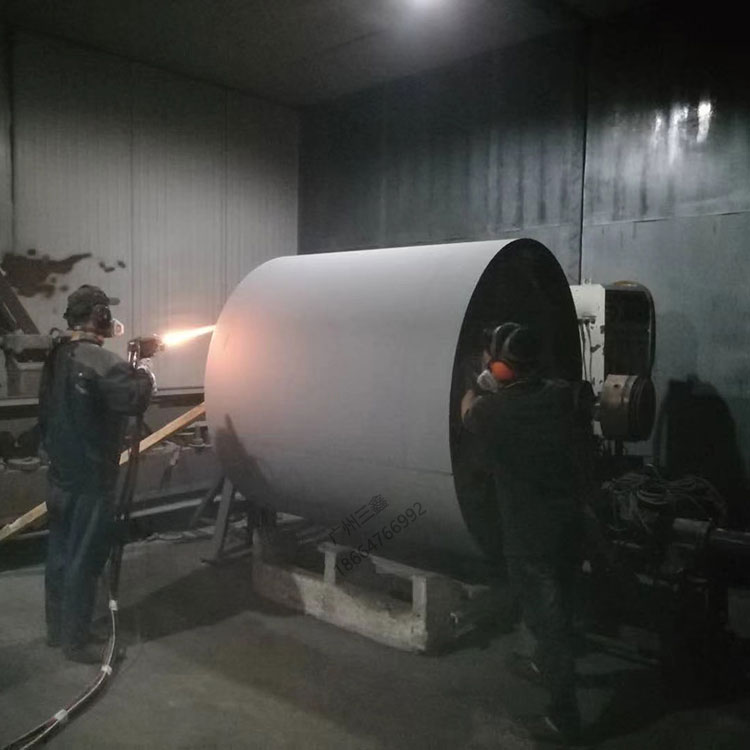
| Wire arc | Thick anti-wear builds on large steel parts | Economical, on-site capable |
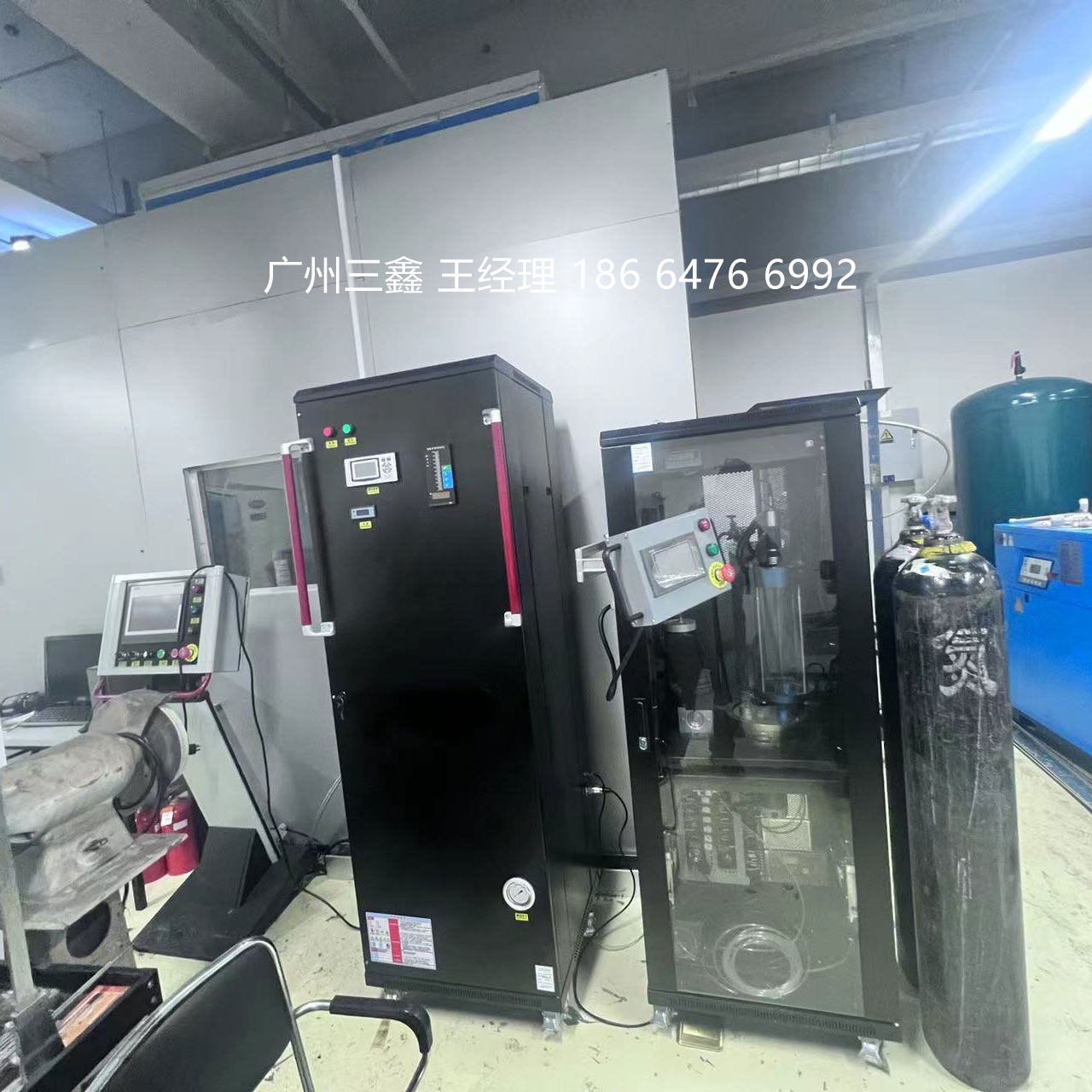
Automated process control keeps spraying parameters (power, gas flows, powder feed rate, stand-off) within tight limits so every batch deposits a uniform, dense coating. Where oxidation of the powder would degrade quality, spraying is carried out under shrouded or low-pressure conditions.
Typical Applications
- Mixer blades, screws and agitators for chemical and battery plants
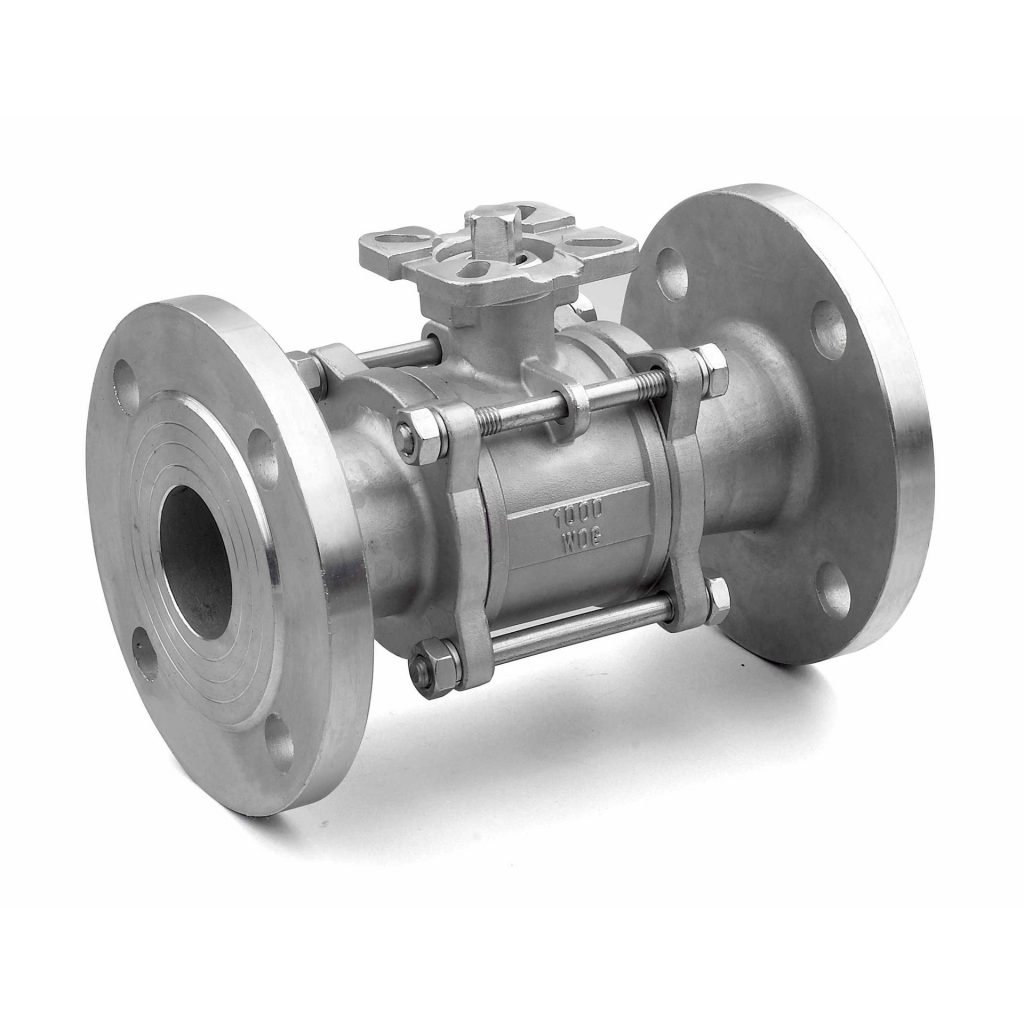
- Pump shafts, sleeves and gate valves
- Extruder screws, moulds, dies and wear plates
- Custom wear parts of almost any geometry
Related services: mixer blade tungsten carbide coating, HVOF tungsten carbide coating for pump shafts and our full thermal spray coating services.
Frequently Asked Questions
Which spray process gives the densest tungsten carbide coating?
HVOF (high-velocity oxy-fuel) produces the densest WC coatings with porosity below 1%. Plasma spraying is used when larger areas or thicker builds are needed and where a slightly more porous, softer-bonded structure is acceptable.
Can a worn carbide-coated part be recoated?
Yes. The old coating is stripped by grinding or grit blasting, the substrate is inspected, and a fresh layer is applied. Recoating is routine for rolls, screws and pump components processed at our facility.