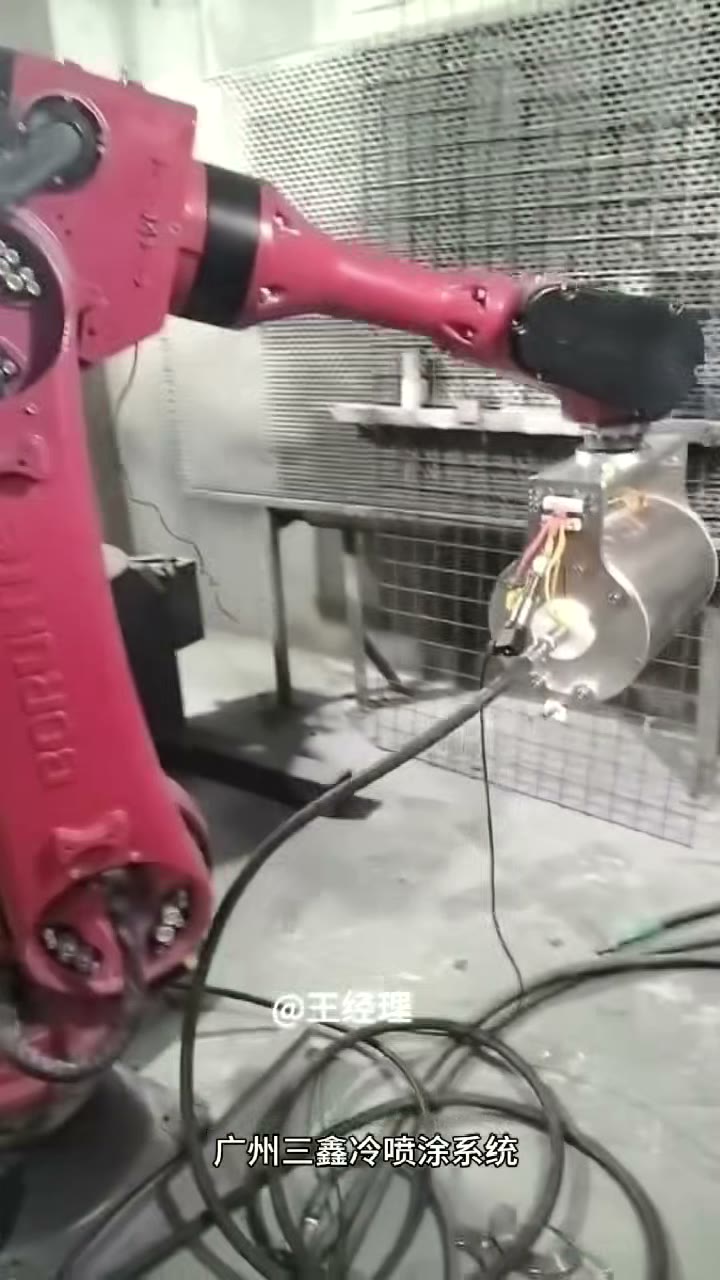
The principle
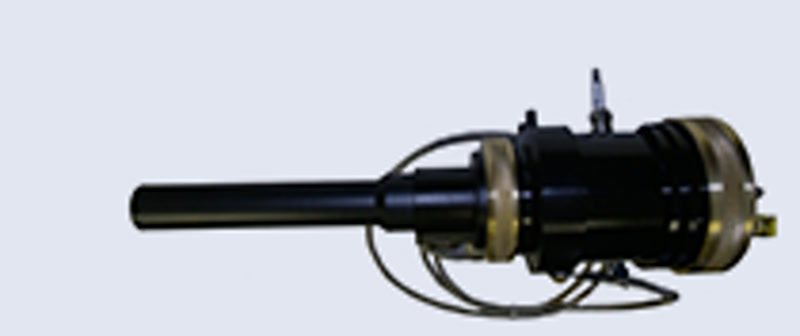
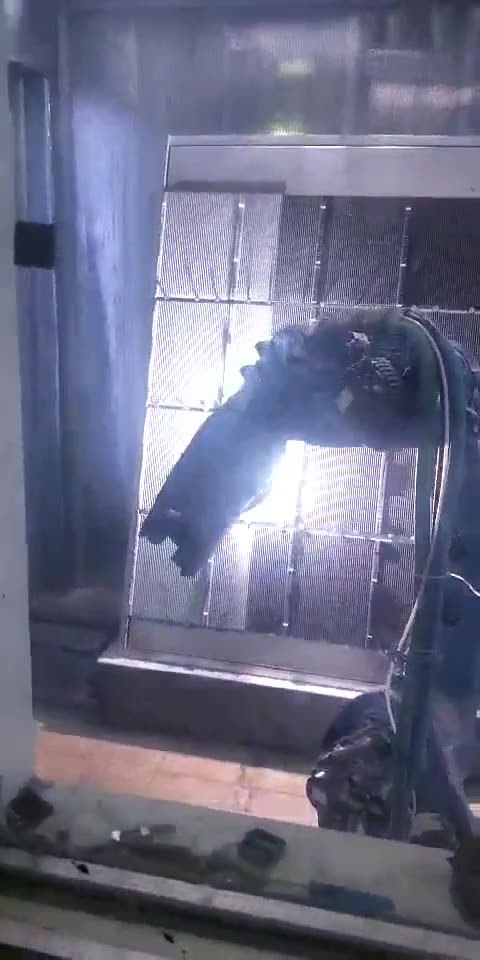
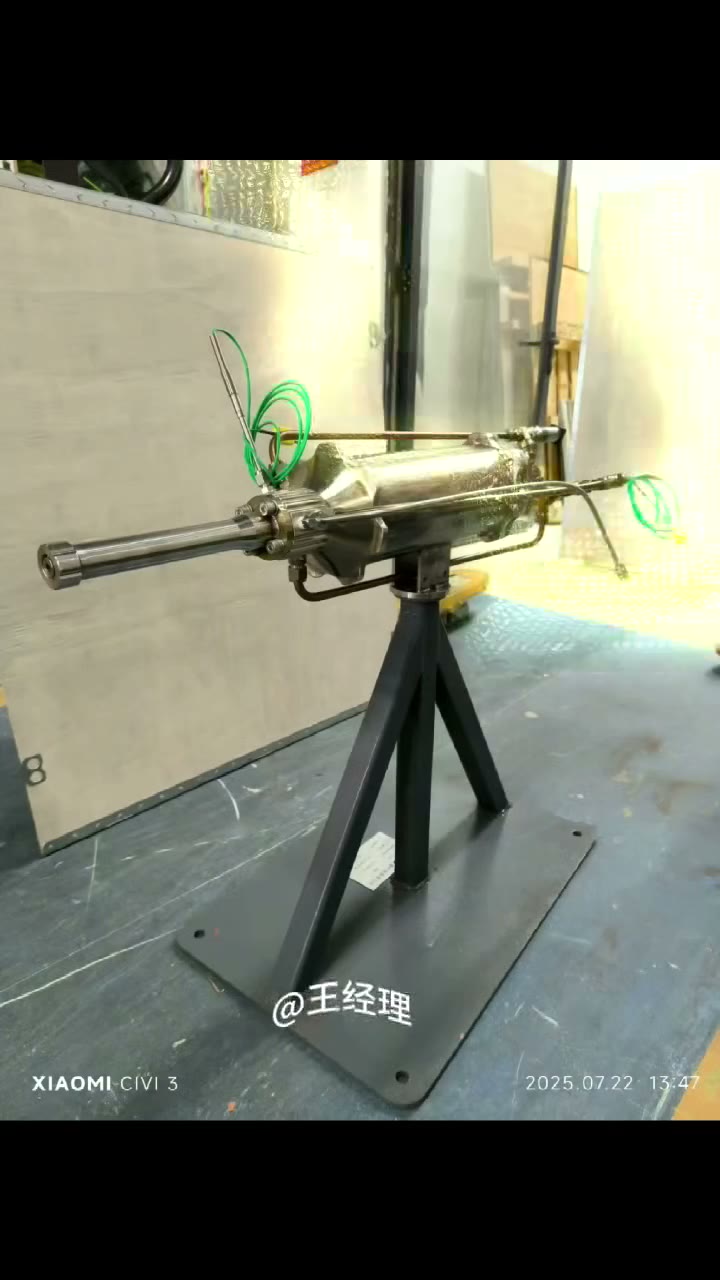
Cold spray uses aerodynamics rather than heat. A high-pressure gas is heated modestly, passed through a converging-diverging (Laval) nozzle and loaded with powder injected axially at the throat. The gas leaves at supersonic speed and drags the particles with it; on impact the particle deforms severely and bonds to the substrate and to the particles already deposited.
Because the particle never melts, the coating keeps the microstructure of the feedstock. Grain growth is minimal, there is no oxide scale from the flight path, and there is no phase transformation. That is why cold-sprayed copper conducts almost like wrought copper, and why a coating can be applied to a heat-treated part without destroying its temper.
What it is used for
| Application | Why cold spray |
|---|---|
| Copper on electrical contacts and busbars | Conductivity close to bulk copper; no oxidation barrier |
| Dimensional restoration of aluminium and magnesium parts | No heat input, so no distortion or loss of temper |
| Corrosion protection with zinc or aluminium | Dense, thick layers without porosity channels |
| Titanium and nickel build-up | Solid-state deposit avoids the oxidation of hot processes |
Gas choice and what it costs
Nitrogen is the working gas for most production, with a maximum gas temperature rise around 850 C at the nozzle. Helium produces a substantially higher velocity for the same pressure and is what makes copper and other high-melting metals deposit efficiently. Helium is expensive and is normally recovered and recirculated on a production system; on a development machine it is used only for the trials that need it.
Limits worth knowing before you buy
- Brittle materials do not deposit. A pure ceramic rebounds. Ceramic-containing coatings rely on a ductile matrix.
- Hard substrates bond poorly. A very hard or heavily work-hardened surface gives the particle nothing to key into; a light blast or a soft bond layer is often needed.
- Line of sight only. The jet travels in a straight line - deep bores and shadowed features need an angled nozzle or a different process.
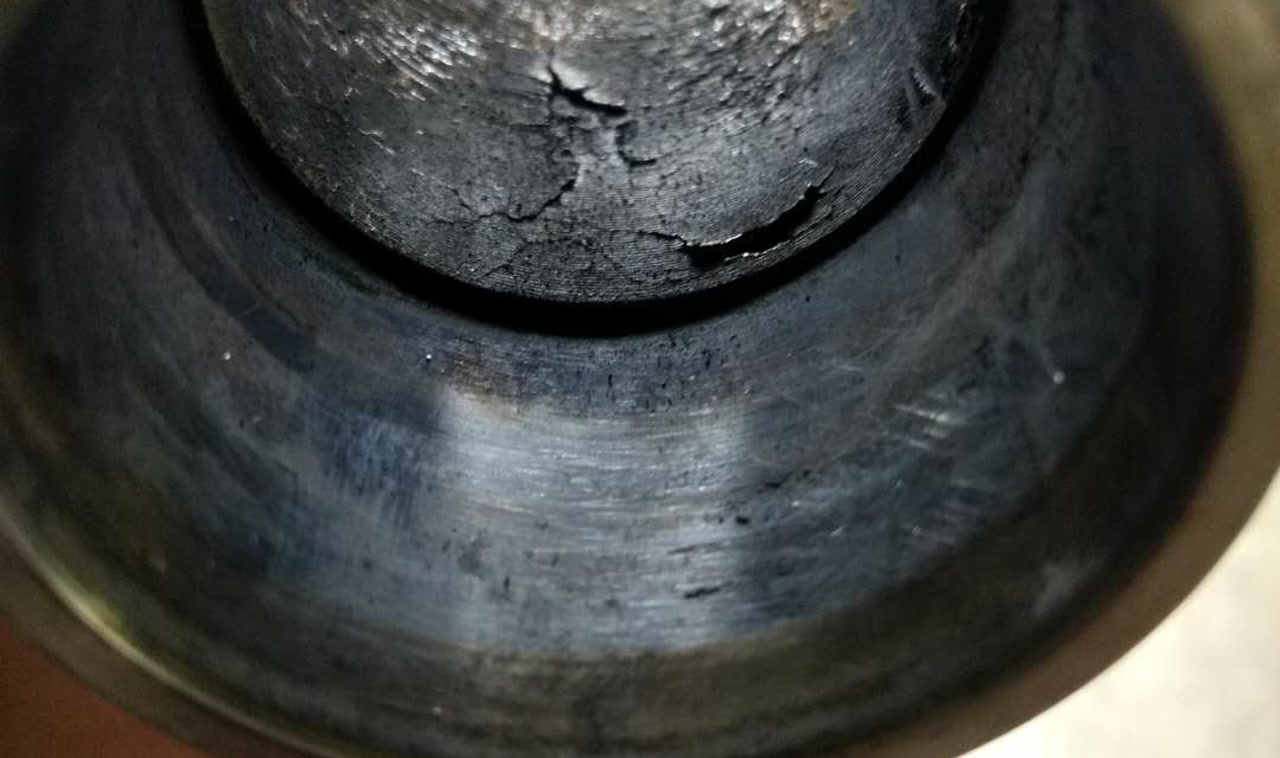
- Nozzle wear is real. The throat erodes, velocity drops, and deposition efficiency falls before anything looks wrong on the gauges.
Where it sits beside our other systems
Cold spray does not replace plasma or HVOF; it covers the cases they cannot. Where the requirement is a dense metal layer with no oxidation and no thermal distortion, it is the better tool. Where the requirement is a hard ceramic or a carbide, plasma and HVAF remain the correct answer - and we will say so rather than sell a cold spray system into a job it cannot do.
Before you order
Powder specification and supplier, substrate material and hardness, area and thickness required, and the gas supply available on site. A trial coupon is the fastest way to establish whether a given powder will deposit at your gas pressure - it costs a fraction of the machine and answers the only question that matters.
What a trial coupon proves
Cold spray deposition is decided by whether the particle exceeds its critical velocity on impact. That velocity depends on the material, the powder size cut, the gas, the pressure and the nozzle - five variables that no datasheet can resolve for your specific powder. A trial coupon settles it in an afternoon: spray a patch at three pressure settings, measure deposit efficiency by weighing the part before and after, and section the best one for porosity and bond.
If nothing deposits at the gas pressure available on site, the answer is usually a different powder cut or helium, not a bigger machine. Knowing that before the purchase is worth more than any specification table.
Frequently asked questions
How is cold spray different from thermal spray?
Nothing melts. The powder is accelerated to several hundred metres per second in a heated gas stream and bonds by severe plastic deformation on impact, not by solidification. Because the particle never becomes liquid, there is no oxidation in flight, no phase change, and the substrate stays close to its starting temperature.
What materials can it spray?
Ductile metals and composites containing a ductile phase: copper, aluminium, zinc, nickel, titanium and their blends. Brittle ceramics cannot be deposited on their own - the particle rebounds instead of deforming - so a ceramic has to be carried in a metal matrix or applied by another process.
Why does helium matter?
Velocity is what makes cold spray work, and helium produces a much higher gas velocity than nitrogen for the same pressure. Copper needs that extra velocity to reach its critical bonding speed; with nitrogen alone the deposit efficiency drops sharply. The trade is cost, which is why helium is used selectively rather than as the default gas.