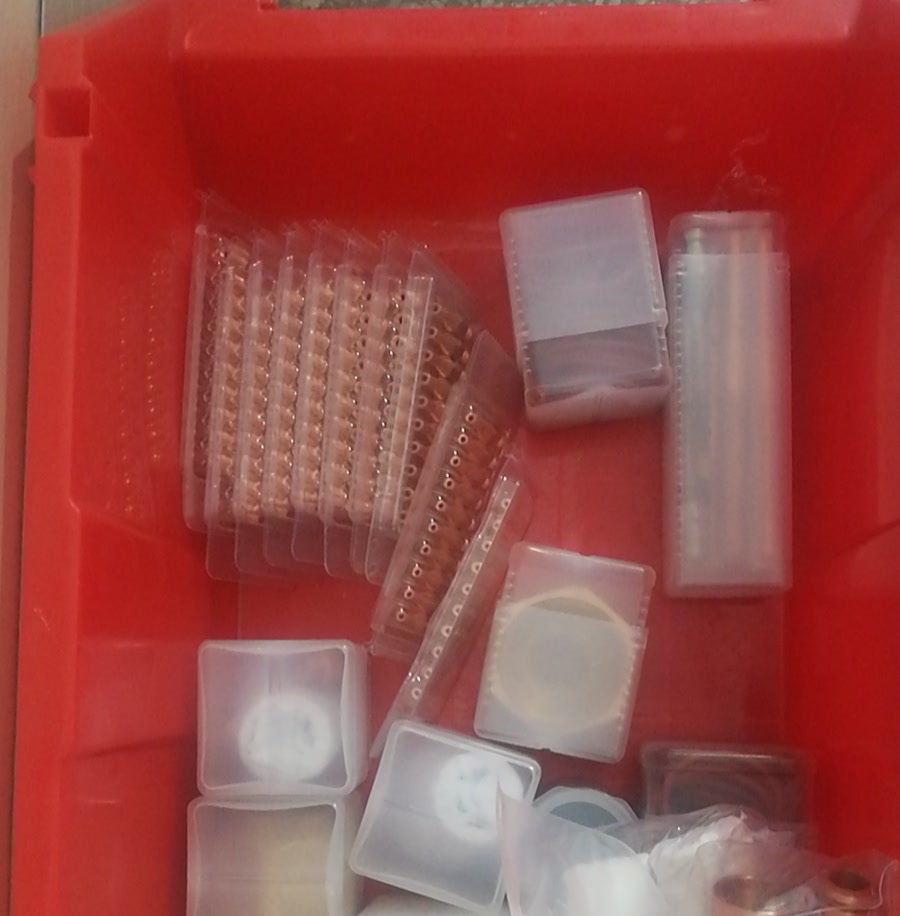
What actually wears out
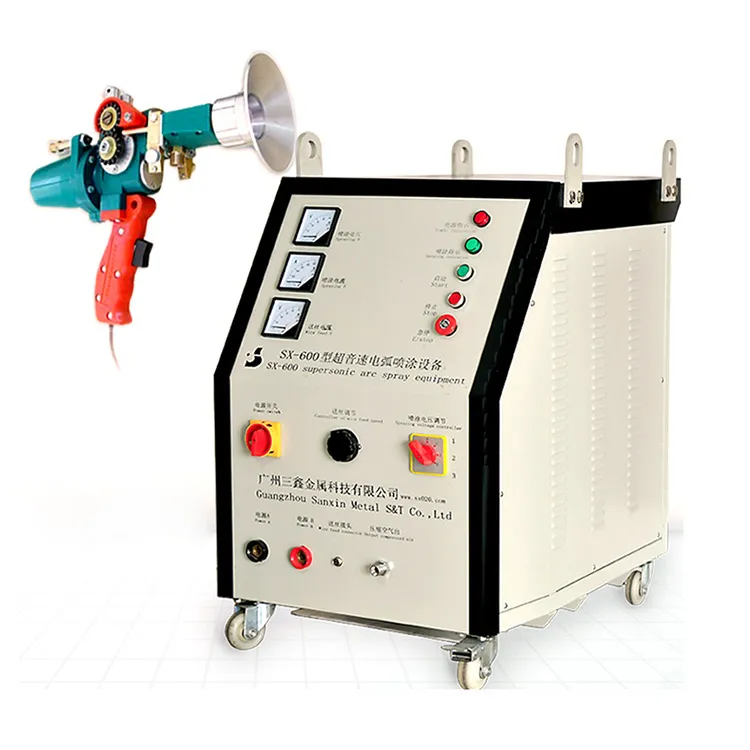
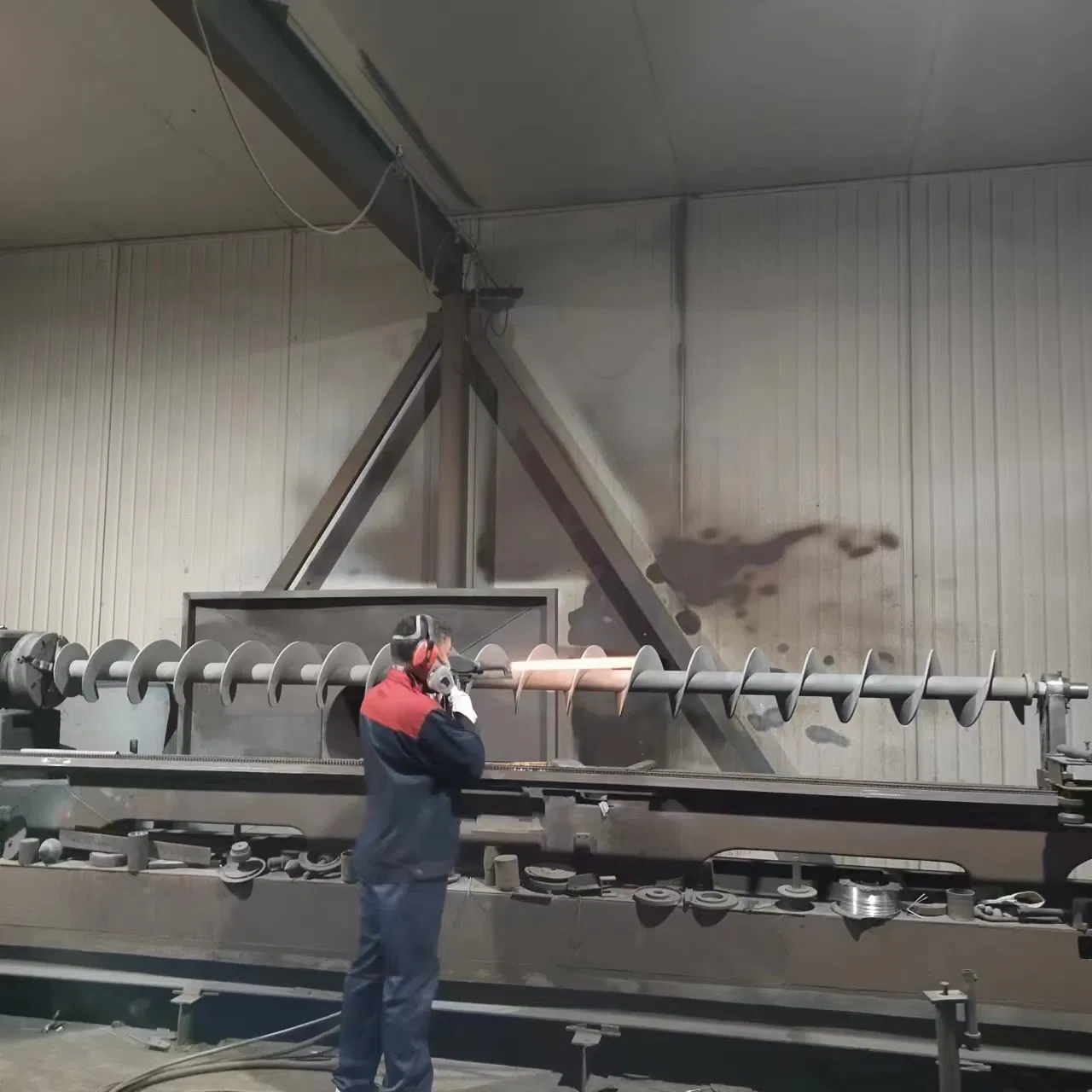
Every thermal spray gun consumes parts, and the parts that fail are predictable. Knowing which ones matter for each process is the difference between a gun that runs a stable arc for months and one that quietly degrades coating quality while still "working".
Arc spray guns
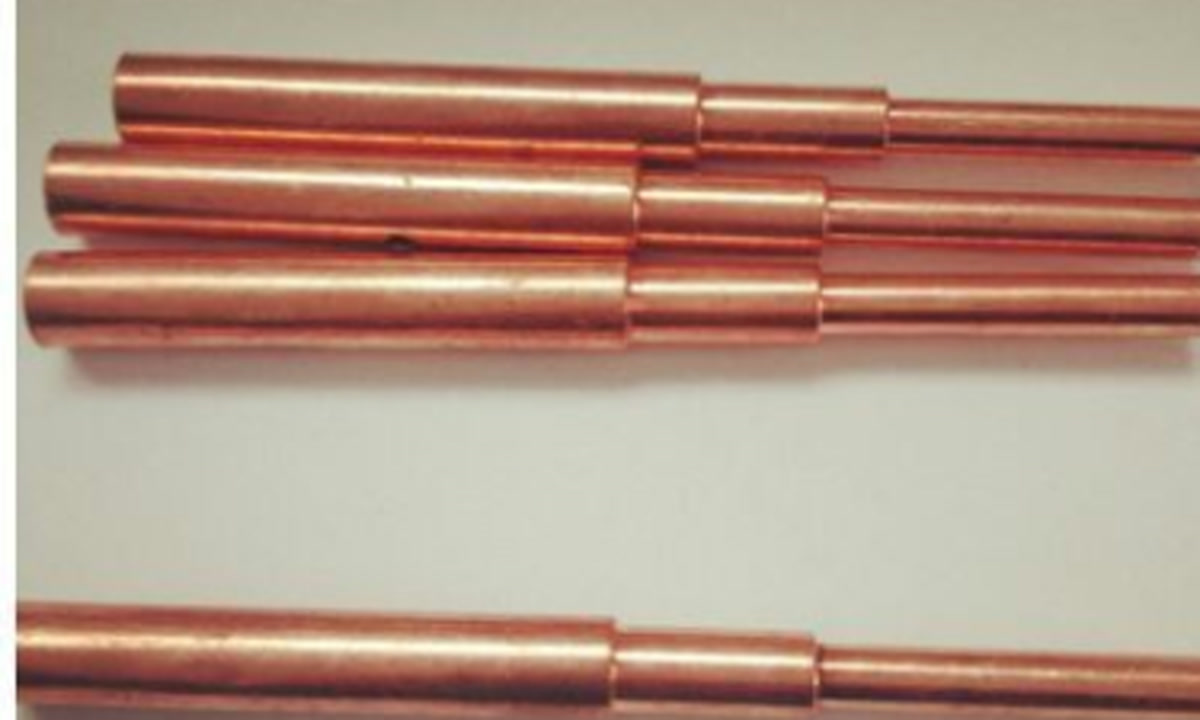
The contact tips are the primary consumable. Wire runs through them at several metres per second, and the bore wears oval. An oval bore lets the arc wander, which shows up first as spatter and then as uneven coating. Tips typically last 20-40 spray hours depending on wire type - cored wires with hard fillings wear them much faster than solid wire.
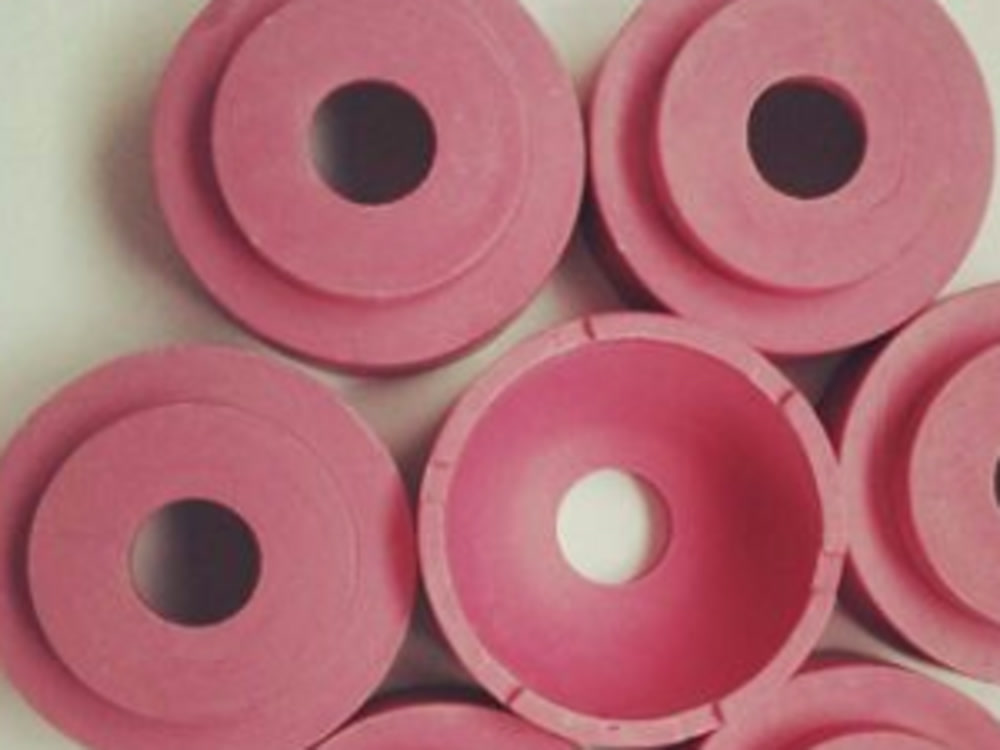
The feed rolls and liners go next. Worn rolls slip rather than feed, and the symptom is a pulsing arc that looks like a power supply problem. The air cap erodes from the atomising air and eventually distorts the spray pattern, and the insulator between the wire guides carbon-tracks and starts arcing to the body.
Plasma guns
The electrode (cathode) and nozzle (anode) are a matched pair and should be changed together. The electrode erodes at the tip and the nozzle bore enlarges, and as the bore grows the arc voltage rises to maintain the same current. That is the most reliable wear indicator available: when the arc voltage at fixed current and gas flow has risen by 5-8 percent from the value on a new set, the pair is due. Running beyond that point produces a softer, wider plume and coatings that are visibly more porous.
Nozzle bore growth above 10-15 percent of nominal is the hard limit regardless of voltage. Insulators crack from thermal cycling and should be inspected every time the gun is opened; a cracked insulator will arc through and destroy the front end.
HVOF and supersonic guns
The barrel and combustion chamber erode from the flame itself, and the powder injector erodes from abrasion. Barrel wear shows as a drop in particle velocity - the coating gets softer and less dense without any obvious gun fault. Injector wear shows as a changing spray pattern and powder build-up on the nozzle face.
Wear indicators you can see in the coating
| What you see | Likely worn part |
|---|---|
| Spatter on the coating, wandering arc | Arc gun contact tips |
| Pulsing arc, uneven feed | Feed rolls or liner |
| Spray pattern off-centre or asymmetric | Air cap, or plasma nozzle |
| Porosity rising, hardness dropping | Plasma electrode and nozzle pair, or HVOF barrel |
| Arc voltage creeping up at fixed current | Plasma electrode / nozzle erosion |
| Arcing to the gun body, burnt marks | Cracked insulator or carbon-tracked guide |
| Powder accumulating on nozzle face | HVOF powder injector |
Why the tolerances matter
A contact tip is not just a brass tube. Bore diameter, concentricity and the alloy's oxygen content all affect arc stability - a tip machined 0.1 mm oversize behaves like a worn one from the first day. Plasma nozzle bores are machined to a tolerance that directly sets the arc attachment point; a copy with a slightly different throat angle will run, but at a different voltage and with a different plume shape, which means the parameters in your procedure no longer apply.
This is why we machine our own wear parts rather than only reselling. When a customer's procedure is qualified around a specific nozzle geometry, a substitute with the same part number but a different internal profile quietly invalidates it.
What to keep on the shelf
For a single-shift operation running one gun, a practical minimum is:
- Arc: 4 contact tips, 1 spare pair of feed rolls, 1 air cap, 2 insulators, 1 liner
- Plasma: 3 electrode/nozzle pairs, 2 insulators, 1 powder port assembly
- HVOF: 1 barrel, 2 injectors, 1 combustion chamber liner
Two-shift operation roughly doubles the consumption but not the stock - the point of the shelf is to cover the interval between ordering and delivery, not to cover a year of use. Customers who track consumption per kilogram of powder deposited usually find the number is far more stable than they expect, which makes stocking straightforward.
What we need to quote
Gun model and serial number, or a photo of the worn part next to a ruler, and the process it runs on. Parts are model-specific and in some cases revision-specific, so the serial number matters more than the part name. We keep stock of the common items for our own SX series and can machine non-standard parts to drawing.
Frequently asked questions
How do I know when to replace a plasma nozzle?
Two ways. First, watch the arc voltage: at fixed current and gas flow, a rise of 5-8 percent over the value from a new electrode/nozzle pair means the pair is worn. Second, measure the bore - growth above 10-15 percent of nominal is the hard limit. The electrode and nozzle should always be changed as a pair, because a new nozzle against a worn electrode runs at the wrong arc attachment point.
How long do arc spray contact tips last?
Typically 20-40 spray hours with solid wire. Cored wires with hard fillings wear the bore much faster, sometimes under 10 hours. The first symptom is usually spatter on the coating rather than an obvious gun fault, so the tips are worth checking on a schedule rather than waiting for a quality problem.
Can I use third-party nozzles with the same part number?
Physically yes, and many plants do. The risk is that the internal throat geometry differs slightly, which changes the arc voltage and plume shape - so the parameters in your qualified procedure no longer describe what the gun is actually doing. If the coating is qualified to a specification, use parts with verified geometry.
Do you machine custom wear parts?
Yes. We machine our own electrodes, nozzles, contact tips and feed components, and can produce parts to drawing for guns whose original supplier has discontinued them. Send the drawing or a measured sample.