 Application fields:
Alkaline water electrolysis (ALK) hydrogen production electrolyzer cathode/anode substrate hydrogen energy equipment key electrode components surface functionalization treatment industrial electrolysis water hydrogen production system core consumables upgrade
Technical principles and processes:
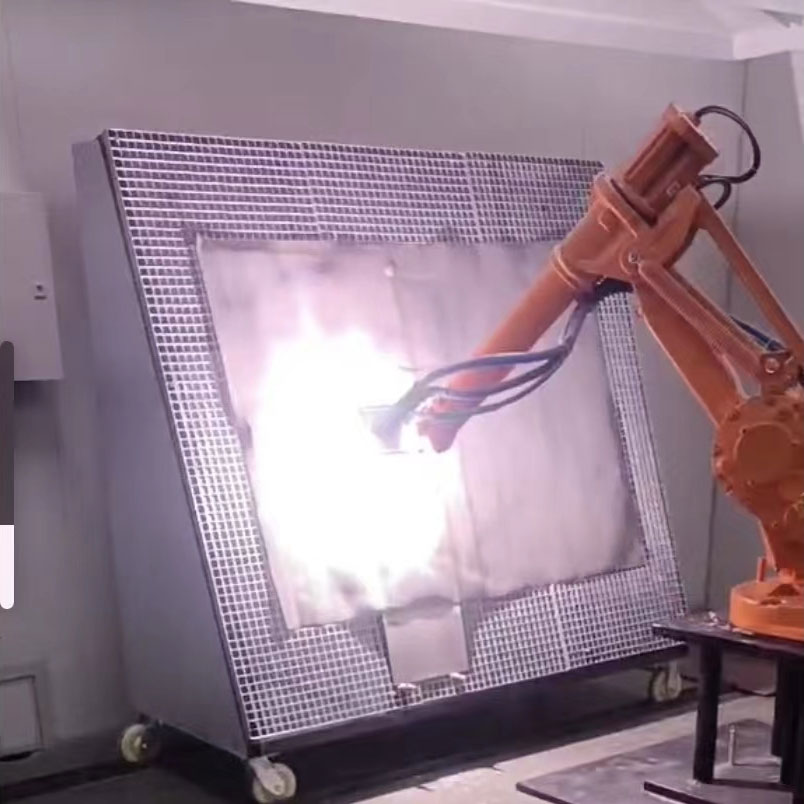
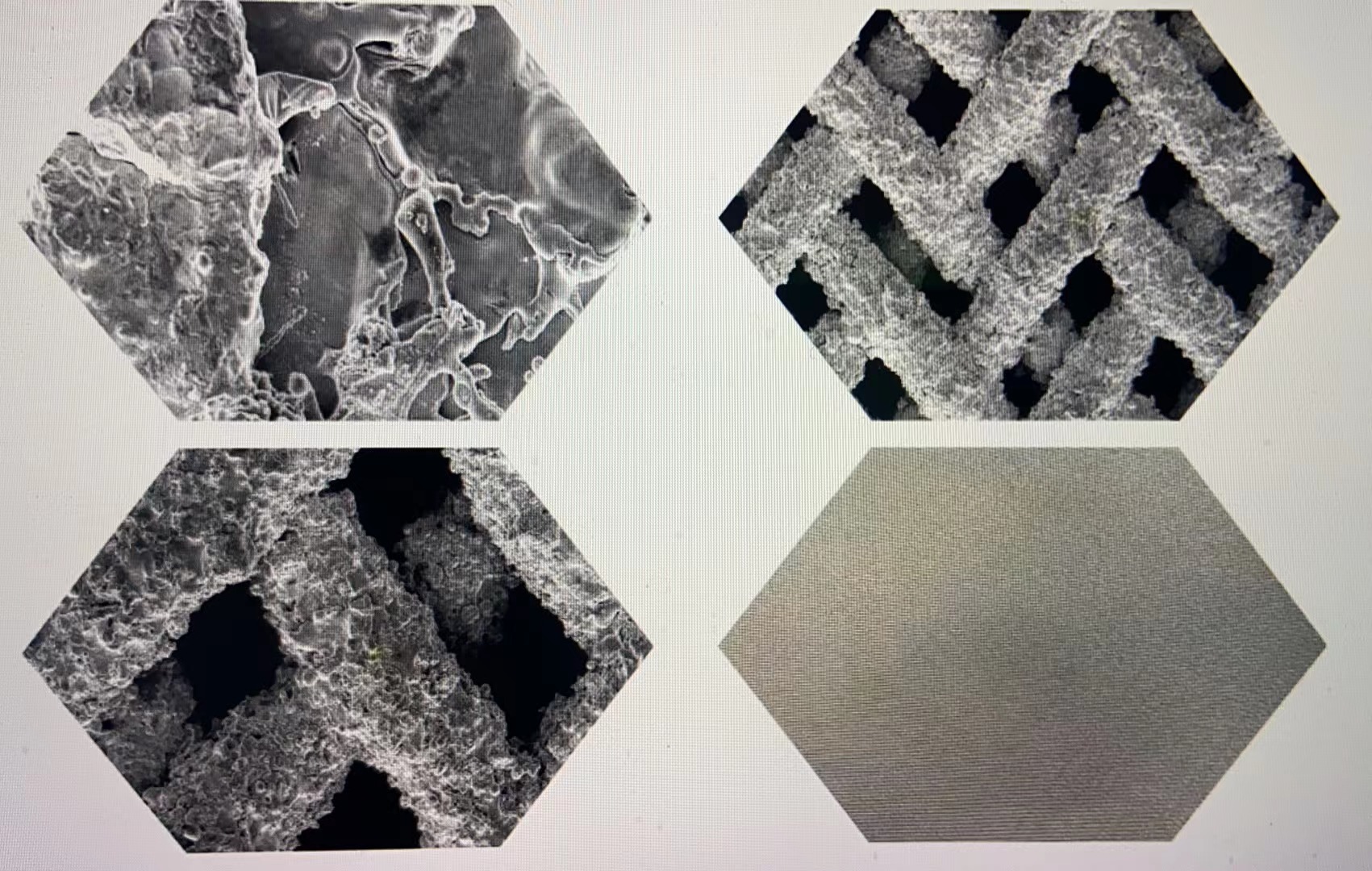
Using Atmospheric Plasma Spraying (APS) technology, high-purity nickel (Ni) and aluminum (Al) composite powders are melted in a high-temperature plasma flame and sprayed onto the surface of the three-dimensional porous nickel mesh at high speed to form a micro-nano structure composite coating. After subsequent heat treatment, the coating can generate Ni₃Al intermetallic compounds and microporous structures with high catalytic activity in situ, significantly improving the electrochemical performance.
Core advantages: High electrocatalytic activity:
Rich active sites are formed on the surface of the Ni-Al coating, which reduces hydrogen/oxygen evolution overpotential and improves electrolysis efficiency. Excellent corrosion resistance: long-term stable operation in strong alkali (20–30% KOH) and high temperature (70–90°C) environments. Strong bonding strength: plasma spraying metallurgical bonding + mechanical fitting, the bonding strength between the coating and the nickel mesh matrix is ≥50 MPa. Porous structure retention: precise control of spraying parameters to ensure that the original porosity of the nickel mesh is not blocked (usually >85%) Customized service: supports different mesh numbers (such as 40–100 mesh), wire diameters, coating thickness (20–100μm) and composition ratios (such as Ni:Al = 95:5, 90:10, etc.)
Supporting capabilities:
Independently developed industrial-grade plasma spray equipment (power 30–80 kW, supports dual powder feeding, atmosphere protection). Can provide full-process services from substrate pretreatment → spraying → thermal diffusion treatment → performance testing to support small batch sample verification and large batch continuous production.
Application tips:
Suitable for alkaline electrolysis of water for hydrogen production (ALK), not suitable for PEM (proton exchange membrane) systems. It is recommended to cooperate with activation treatment (such as electrochemical etching) to further improve performance. It can be combined with the Raney Ni process to build a high specific surface area catalytic layer.
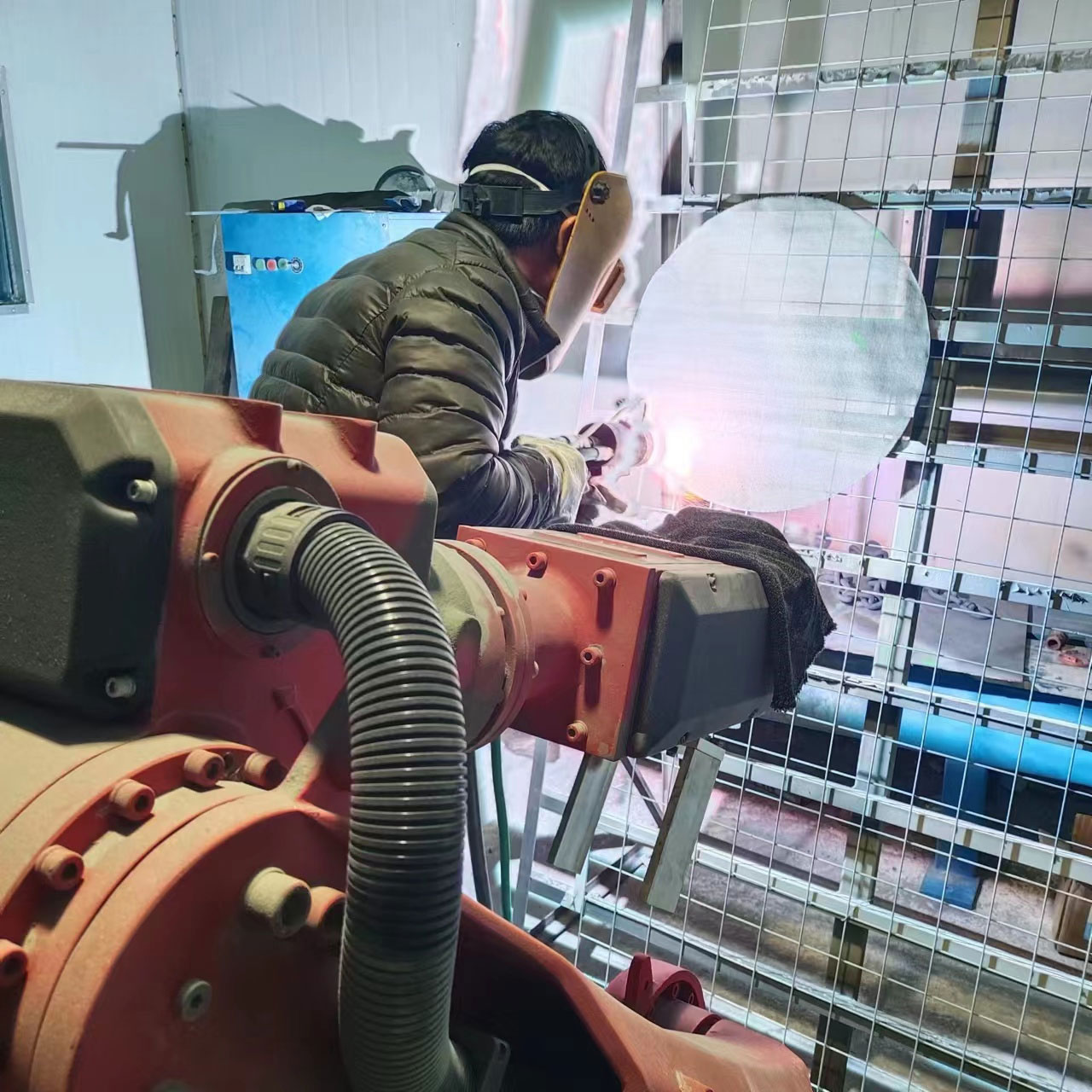
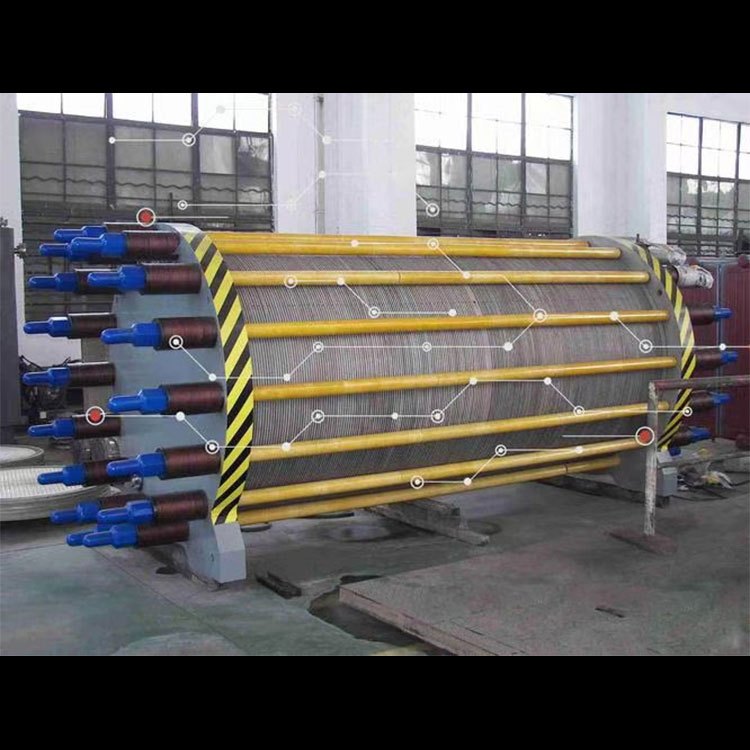
Nickel mesh cathode for hydrogen production, nickel mesh and Raney nickel spray coating are widely used in electrolysis water hydrogen production equipment to provide an efficient electrochemical reaction surface. These products ensure superior performance and durability through advanced thermal spray technology.
Coating specification
| Parameter | Typical value |
|---|---|
| Coating | Ni-Al (80/20) or Ni-Al-Mo, twin wire arc or plasma |
| Thickness | 80-200 µm on woven mesh |
| Porosity | 5-15%, deliberately retained for catalyst activation |
| Bond strength | 15-30 MPa on nickel mesh |
| Surface area gain | Roughly 5-10× after alkaline activation |
| Service environment | 30% KOH at 80-90 °C, alkaline electrolyser |
Why the coating must stay porous
This is the one application where porosity is the point. The sprayed nickel-aluminium layer is later treated in hot alkali, which dissolves the aluminium and leaves a skeletal nickel structure with a very high surface area - Raney nickel. That structure is what lowers the hydrogen evolution overpotential. A dense, well-fused coating would be mechanically stronger and electrochemically useless, which is why the spray parameters here are deliberately different from a wear coating.
Where mesh coating goes wrong
- Overheating the mesh. Woven nickel wire 0.2-0.5 mm in diameter deforms and can melt at the edges if the gun dwells. Traverse speed and cooling are set for the mesh, not for a solid plate.
- Bridging the openings. Too much coating closes the apertures and blocks gas flow. Thickness is controlled against the open area, not only against the wire surface.
- Uneven coverage at the weave. The gun angle is fixed relative to the mesh plane so both sides of each wire receive a similar deposit.
Frequently asked questions
Do you coat the mesh before or after it is cut to size?
Usually in sheets before assembly, so the cut edges stay clean for welding. Small runs are coated after forming when the geometry requires it.
Can the coating be applied to nickel foam as well as woven mesh?
Yes, with lower deposition per pass to avoid closing the pores.
What thickness gives the best electrochemical performance?
80-150 µm is the usual optimum. Thicker layers add surface area but increase ohmic resistance and can block gas release.
Further reading: HVOF vs plasma spraying.