What this video shows
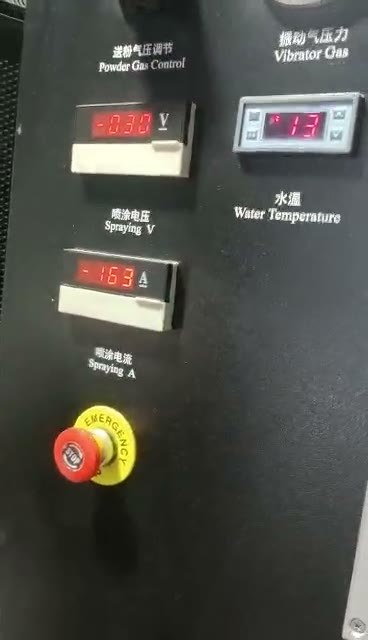
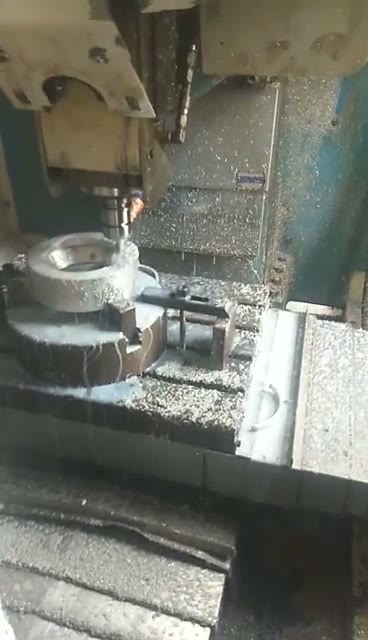
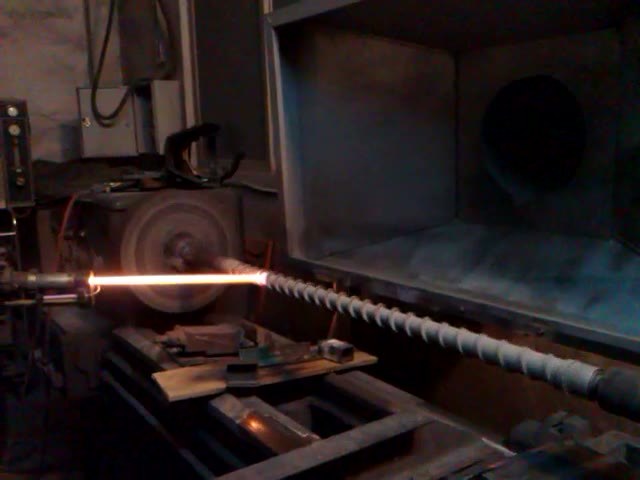
An operator uses our SX-6018 flame powder spray system to coat a round steel workpiece in the workshop. The camera stays close to the gun so you can see the flame envelope, the powder stream and the way the coating builds pass by pass. The part is rotated by hand on a simple support, which is exactly how small and medium batches of parts are coated before a dedicated turntable is justified.
The clip runs through the whole cycle: flame light-up and adjustment, powder feed on, overlapping passes across the face, and a visual check of the finished surface. Nothing is staged or sped up - it is a normal trial run on a customer-style sample.
Process details
- المعدات: SX-6018 flame powder spray gun with powder hopper, gas hoses and control valves
- Heat source: oxy-fuel flame, adjusted to soften the powder without overheating the substrate
- Consumables: thermoplastic or thermoset polymer powders; low-melting metal powders can also be run
- Preparation: degrease, abrasive blast to a clean anchor profile, then preheat the part lightly
- Control: standoff distance, traverse speed and number of passes determine the final layer thickness
Where it fits
Flame powder spraying is the economical choice for corrosion protection, wear-resistant polymer linings and cosmetic finishes on parts that do not need the extreme bond strength or temperature capability of HVOF and plasma coatings. It is widely used for valves, fittings, pipework, furniture frames and repair work where a portable, low-investment setup matters more than maximum coating density.
We supply the gun, powder feeder, hoses and gas control set together with starting parameters and operator training, so a customer can reproduce this result in its own workshop. Tell us the part geometry and service environment and we will recommend the powder grade and preheat window before you buy.
Frequently asked questions
What is flame powder spraying?
A oxy-fuel flame softens polymer or low-melting metal powder as it leaves the gun, so the particles fuse into a continuous layer on the preheated workpiece. It is simpler and more portable than plasma or HVOF.
Which powders can the SX-6018 run?
Thermoplastic and thermoset polymer powders such as PE, epoxy and nylon are typical; low-melting metal powders are also possible. We confirm the grade against your chemical, temperature and abrasion requirements.
How should the workpiece be prepared?
Degrease thoroughly, blast to a clean, sharp anchor profile, remove dust, then preheat lightly. Coating adhesion depends far more on preparation than on gun settings.
How thick is the finished coating?
It is controlled by the number of overlapping passes and traverse speed, typically in the range of a few hundred micrometres. We agree a target thickness with the customer and verify it with a gauge on trial parts.
Do you supply the complete setup and training?
Yes. The gun, hopper, gas control set, hoses and spare nozzles are supplied as a package, with recommended starting parameters and hands-on operator training.