Exhaust system heat barrier
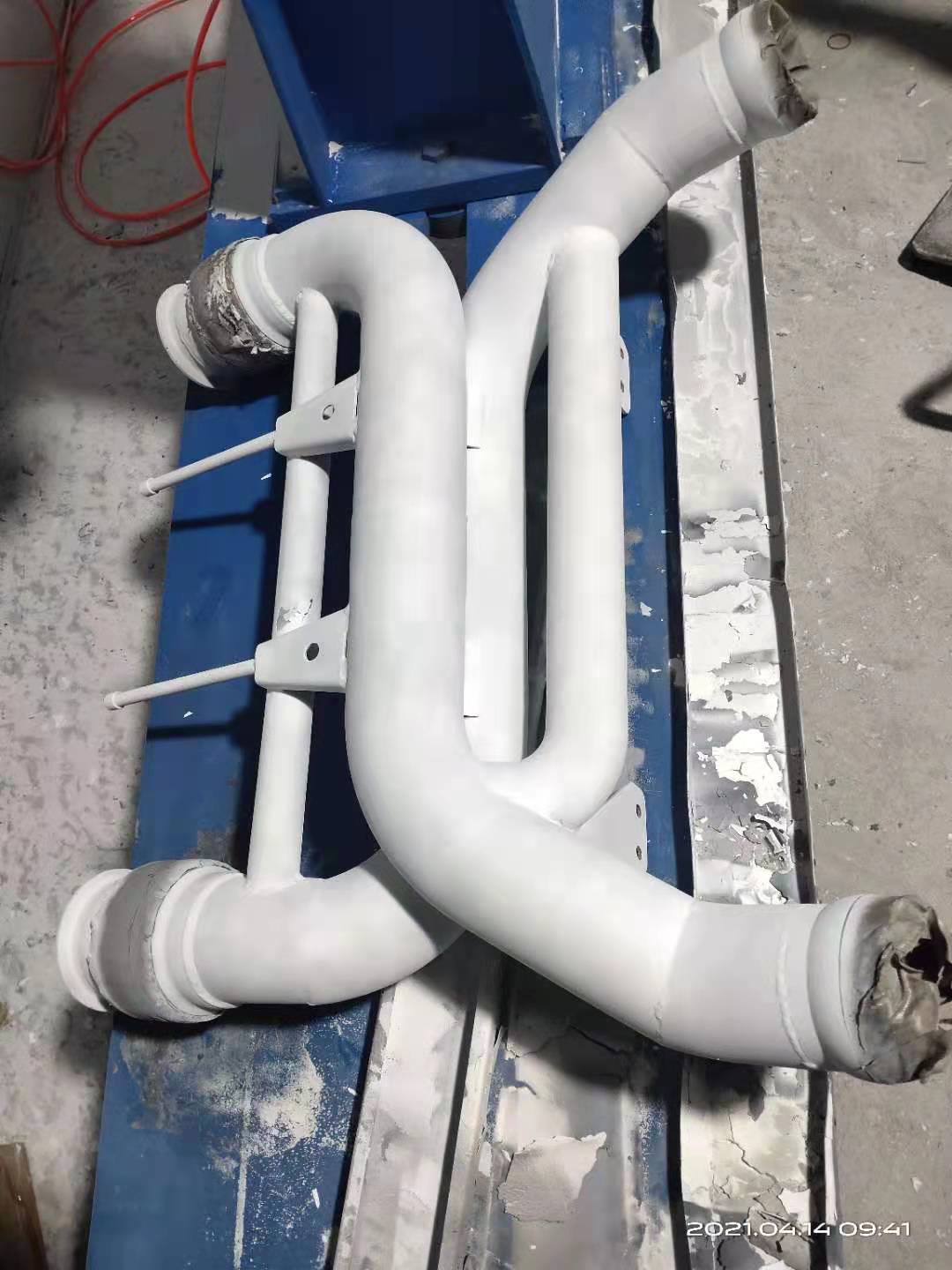
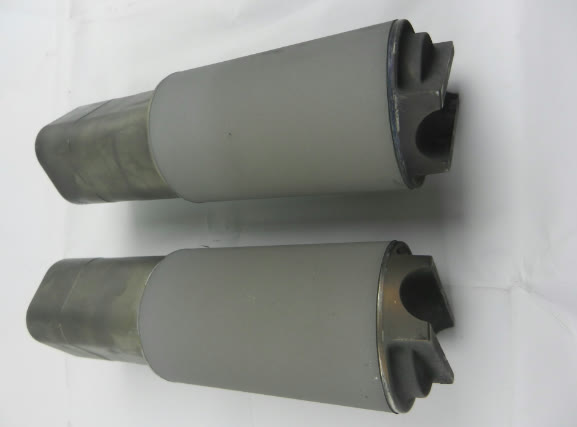
The most common automotive job we see is a ceramic coating on exhaust manifolds, downpipes and turbo housings. Two things drive it: surface temperature that a customer or a safety standard will not accept, and heat radiating into an engine bay that is already packed with wiring, sensors and plastic covers.
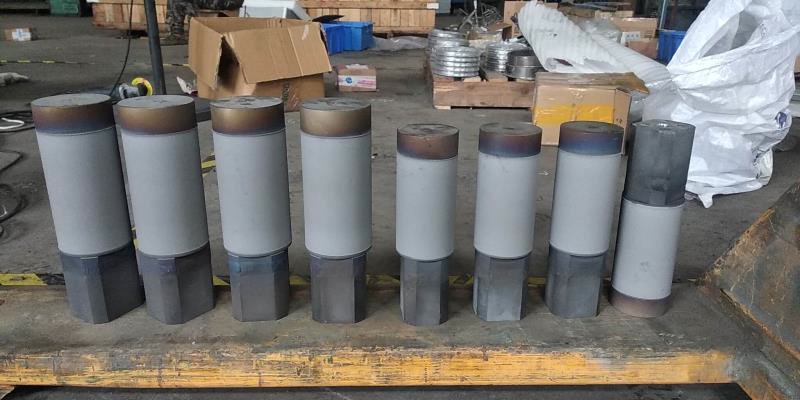
We spray a nano-composite ceramic - zirconia based, applied by air plasma - at 0.15-0.30 mm. On a typical cast iron or stainless manifold this drops the external surface temperature by 80-150 C depending on wall thickness and gas temperature. The coating also cuts radiated heat into the bay, which is often the more valuable effect because it protects components that were not designed for that temperature.
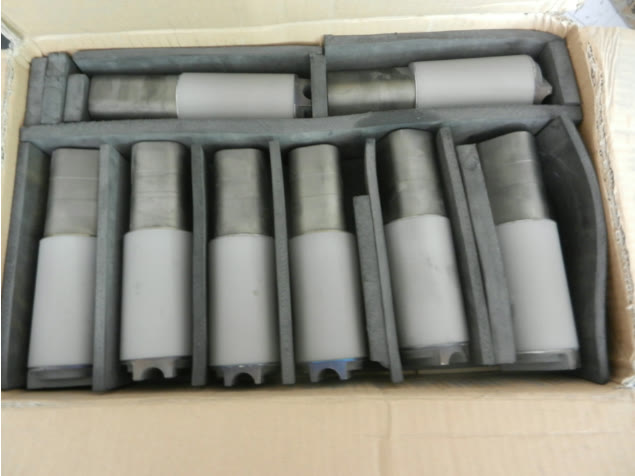
Two constraints worth knowing before you specify it. First, the coating is a ceramic, so it must not be mechanically shocked - a coated manifold has to be handled and packed differently from a bare one. Second, wall thickness matters: on very thin-wall stainless tube the differential expansion between coating and substrate is higher, so we keep the layer thinner and accept a smaller temperature drop.
Dies, punches and tooling
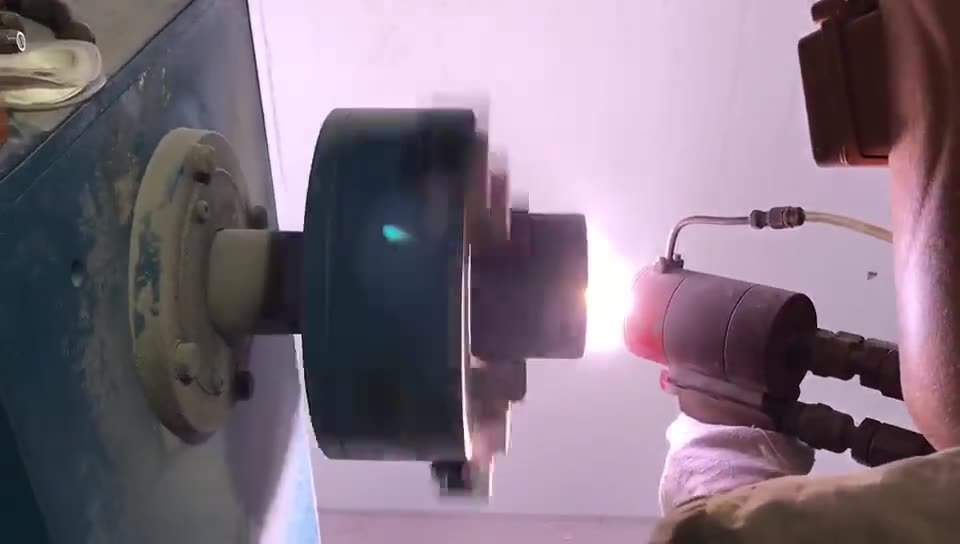
Stamping dies, drawing punches, bending tools and trim edges wear at the radius where the sheet slides. A tungsten carbide coating applied by HVOF at 0.05-0.15 mm typically extends tool life by a factor of three to ten compared with an uncoated tool, and more importantly it lets a die run to the planned service interval instead of being pulled early.
The practical detail that decides whether this works is surface preparation and edge radius. Carbide does not like a sharp edge - it builds stress there and chips. We radius the edge slightly before spraying and grind the coating back to final dimension afterwards, which means the drawing tolerance and the pre-coat dimension both have to be planned, not discovered later.
Shafts, housings and production equipment
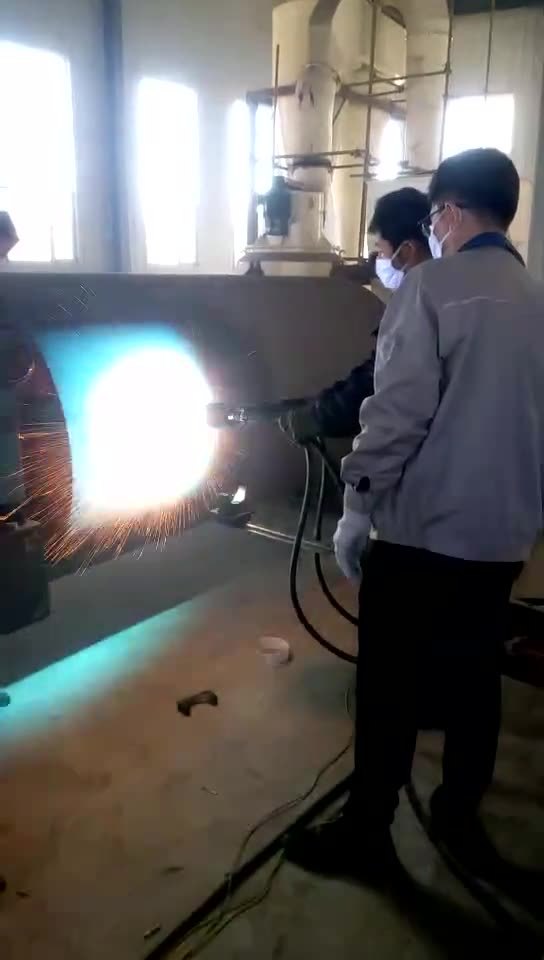
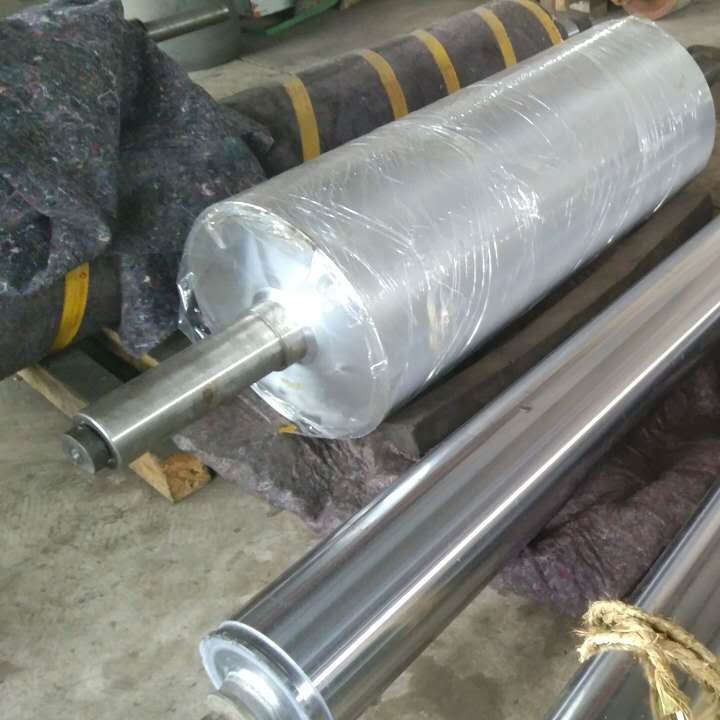
Beyond the vehicle itself, automotive plants run conveyors, press lines, robots and pumps that wear out. Bearing seats, seal journals, gripper jaws, guide rollers and pump shafts are all candidates for either HVOF carbide or arc-sprayed rebuild. The repair route depends on wear depth: up to 0.2 mm a sprayed layer is enough, between 0.2 and 2 mm arc spray is usually the economical choice, and above that we look at welding or replacement.
Coating options at a glance
| Application | Coating | Process | Thickness |
|---|---|---|---|
| Exhaust manifold / downpipe | Nano-composite zirconia ceramic | Air plasma | 0.15-0.30 mm |
| Turbocharger housing | Zirconia ceramic | Air plasma | 0.15-0.25 mm |
| Stamping die / punch | WC-Co or WC-CoCr | HVOF | 0.05-0.15 mm |
| Trim edge / blade | WC-Co | HVOF | 0.03-0.08 mm |
| Bearing seat / seal journal | WC-CoCr or stainless | HVOF or arc spray | 0.10-0.50 mm |
| Pump shaft / roller | WC-Co or Ni-based alloy | HVOF or arc spray | 0.15-1.00 mm |
Dimension planning
Every coating adds thickness, and that thickness has to be removed from somewhere. On a shaft the finished diameter is the coating surface; on a bore the coating reduces the opening by twice the layer thickness. For a die the coating sits on the working face and changes the shut height if nobody plans for it. In practice we ask for the pre-coat dimension and the final dimension on the drawing, not just the coating thickness, because that is where most dimensional problems originate.
What we need to quote
Part drawing or photos, base material, the area to coat, required thickness and surface finish, and the production volume - a single prototype and a 5000-piece annual run are quoted with different assumptions about fixturing.
For exhaust work we also ask for the gas temperature the part sees and the clearance around it, because those two numbers decide whether a ceramic layer is the right answer or whether a thinner coating with a heat shield is more practical. For tooling we ask how the tool failed last time - abrasive wear, adhesive pickup, or cracking at the radius - since each points to a different coating and a different edge preparation.
Frequently asked questions
How much does the exhaust coating reduce surface temperature?
On a cast iron or stainless manifold with a 0.15-0.30 mm zirconia ceramic layer we typically see 80-150 C reduction on the external surface, depending on wall thickness, gas temperature and airflow. The radiated heat into the engine bay drops as well, which is often the bigger practical benefit.
Will the coating change the part dimensions?
Yes, by exactly the coating thickness, and that has to be planned. On an external surface the finished size is the coating surface; inside a bore the opening shrinks by twice the thickness. This is why we ask for both the pre-coat and the final dimension rather than only a coating thickness.
How long does a coated stamping die last?
Typically three to ten times the life of an uncoated die, depending on the sheet material, the lubrication and how well the edge radius was prepared before spraying. Carbide chips on a sharp edge, so we radius the edge first - that preparation is what determines whether the gain is three times or ten times.
Can you coat a part that is already chromed or painted?
Not directly. Existing plating or paint has to be stripped first, because the coating bonds to the substrate, not to the old layer. We normally strip, grit blast and spray in one sequence so the surface does not sit exposed between steps.