
Why spheroidise magnesia
Magnesium oxide melts at about 2852 C and is one of the most refractory oxides in common industrial use. It is also chemically basic, which makes it useful where acidic slags and glasses would attack an alumina or silica surface.
The reason the powder is spheroidised rather than used as crushed material is flow. Magnesia is hygroscopic and tends to agglomerate; crushed powder feeds unevenly, which shows up as pulsation in the plasma plume and bands of varying porosity in the coating. Spheroidised, dense particles flow consistently at low feed rates, which matters on a production cell running the same parameters for hours.
Properties
| Property | Typical value | Notes |
|---|---|---|
| Melting point | ~2852 C | Among the highest of the common oxides |
| Purity | Typically 99 %+ | Higher grades available for optical and electronic work |
| Morphology | Spherical, dense | Consistent feed, uniform deposit |
| Particle size | 15-45 um or 45-105 um typical | Cut matched to the process |
| Behaviour | Basic; hygroscopic | Attacks acidic refractories; needs dry storage |
Where it is used
- High-temperature electrical insulation - MgO is the standard insulator in sheathed thermocouples and cartridge heaters because it combines refractoriness with dielectric strength.
- Plasma-resistant coatings in etch and deposition chambers, where magnesia's basic nature resists fluorine chemistry differently from alumina.
- Refractory linings in metallurgical vessels handling basic slags.
- Spheroidisation feedstock - magnesium oxide is itself produced or refined through plasma spheroidisation, and the spherical product is the input for downstream coating work.
Handling: the part customers underestimate
Magnesia reacts with water and carbon dioxide in the air to form hydroxide and carbonate, which changes both the flow behaviour and the coating chemistry. Powder that has been sitting open in a humid workshop will not spray the same way as fresh material, and the difference shows up as porosity rather than an obvious failure.
We ship in sealed containers, and we recommend drying the feeder hopper and using a desiccant before a production run. If a coating suddenly becomes more porous with no parameter change, moisture in the powder is the first thing to check - not the gun.
Spraying notes
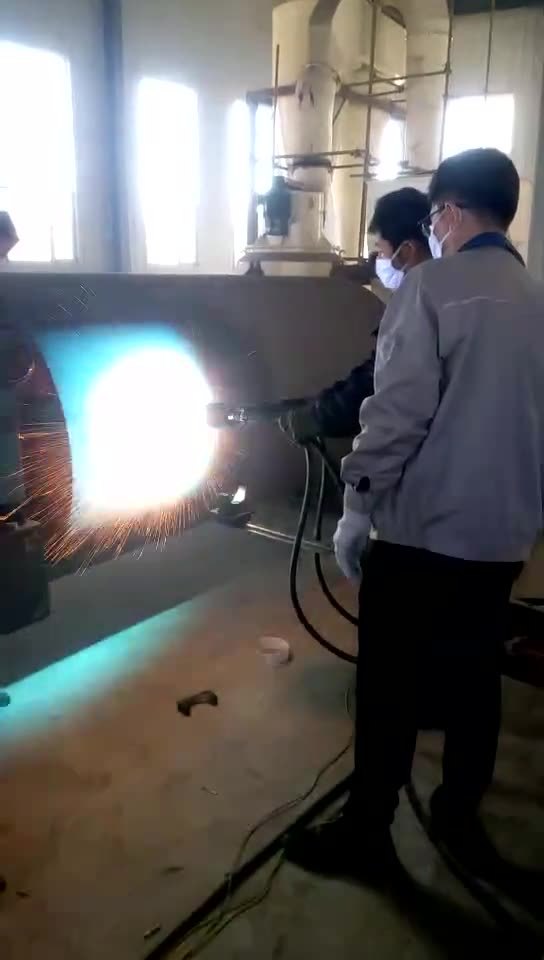
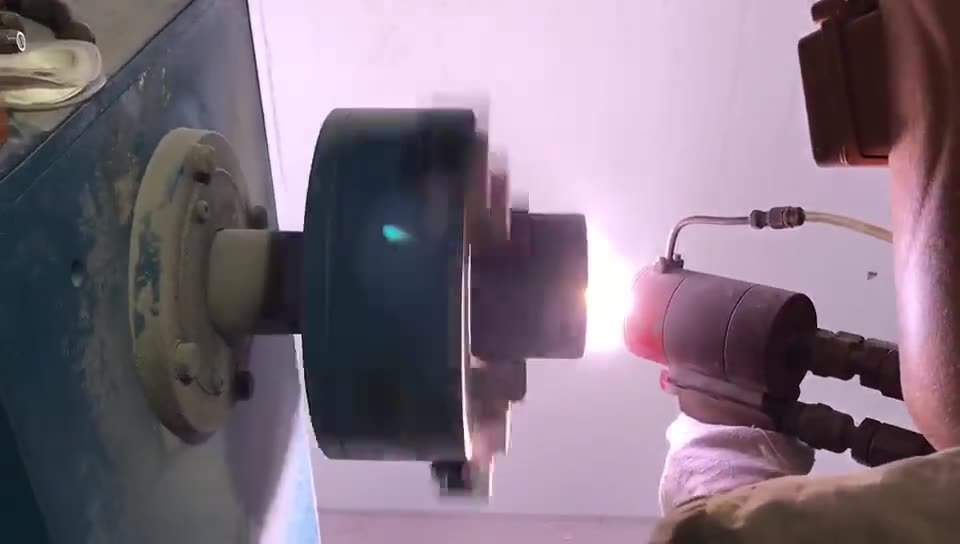
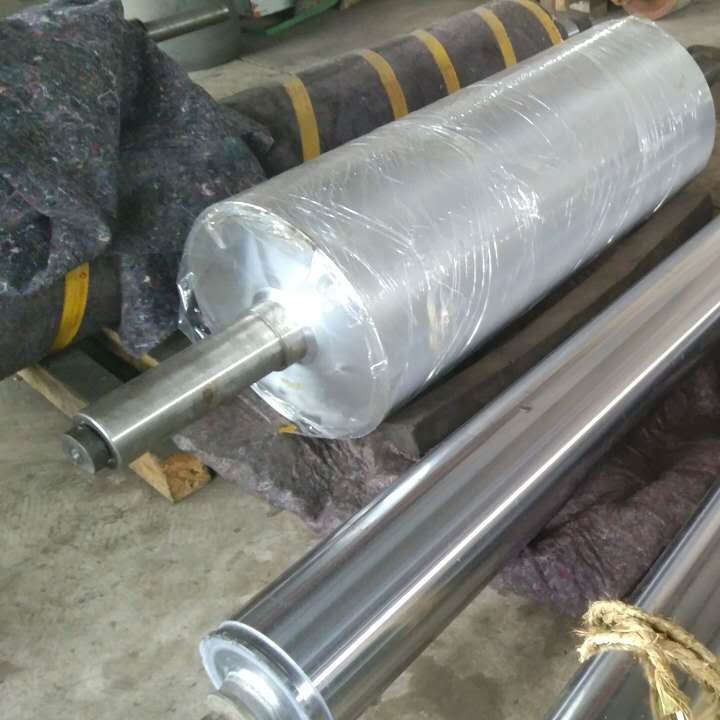
Air or vacuum plasma. Because of the high melting point, the plasma needs enough enthalpy to melt the particle properly; a marginal plume produces partially melted particles and a porous, weakly bonded layer. Typical thickness 0.10-0.30 mm. For insulation duty the coating is usually sealed after spraying to prevent moisture ingress, which would destroy the dielectric performance.
What we need to quote
Application (insulation, plasma resistance, refractory), required purity, particle size cut, quantity, and whether you need the certificate of analysis with trace element data. For electronic or optical use, send the specification - the trace limits are not negotiable.
Where the spherical powder itself comes from
Spheroidised magnesia is usually made by melting and atomising, or by plasma spheroidisation of crushed feedstock. Plasma spheroidisation produces the highest sphericity and the densest particles, which is why it is used for powders destined for demanding coating and additive work rather than for general refractory use.
We build the plasma spheroidisation equipment as well as supplying the resulting powder, which is unusual - it means a customer with a specific particle size and sphericity requirement can have the powder made to that requirement rather than choosing the nearest catalogue grade. For research groups and for production users with a tight specification, that is often the deciding factor.
Magnesia against alumina, in one paragraph
Both are refractory oxides, and the choice usually comes down to chemistry rather than temperature. Alumina is acidic-to-neutral and cheaper; it handles most wear and moderate corrosion duty well. Magnesia is basic, so it resists basic slags and glasses that would dissolve an alumina surface, and it has a higher melting point.
The trade is moisture sensitivity and cost. If the service environment is acidic or the budget is tight, alumina is the right answer. If the environment is basic, or the temperature is above what alumina tolerates, magnesia earns its price.
Frequently asked questions
Why is spheroidised MgO better than crushed powder?
Flow consistency. Magnesia agglomerates and feeds unevenly when crushed, which produces pulsation in the plume and bands of porosity. Spheroidised particles flow evenly at low feed rates, which is what makes a repeatable coating possible.
Can magnesium oxide coating be used for electrical insulation?
Yes, and it is the standard material for sheathed thermocouples and cartridge heaters. The coating must be sealed, though - MgO absorbs moisture, and a damp layer loses its dielectric strength.
How should MgO powder be stored?
Sealed, dry, with desiccant. Magnesia reacts with moisture and CO2 to form hydroxide and carbonate, which changes both flow behaviour and coating chemistry. Drying the feeder hopper before a run is worth the five minutes.