Special Anti‑Wear & Anti‑Corrosion Coating Solutions
for Battery Cathode & Anode Material Grinding Equipment
Application Fields:
High‑purity powder grinding & milling equipment for lithium‑ion battery cathode materials (such as NCM, LFP) and anode materials (graphite, silicon‑carbon).
✅ Core Advantages
Ultra‑High Hardness & Wear Resistance
Adopting nano‑ceramic composite technology with alumina, silicon carbide, boron nitride particles. Surface hardness reaches HRC 65–75, significantly extending equipment service life.
Zero Metal Contamination Design
Coating contains no magnetic impurities such as Fe, Ni, Cr. Ensures high purity of battery materials and avoids negative impacts on cell performance.
Excellent Corrosion Resistance
Resists electrolyte residues, acid/alkali cleaning agents and humid environments, suitable for harsh working conditions.
Strong Adhesion & Thermal Stability
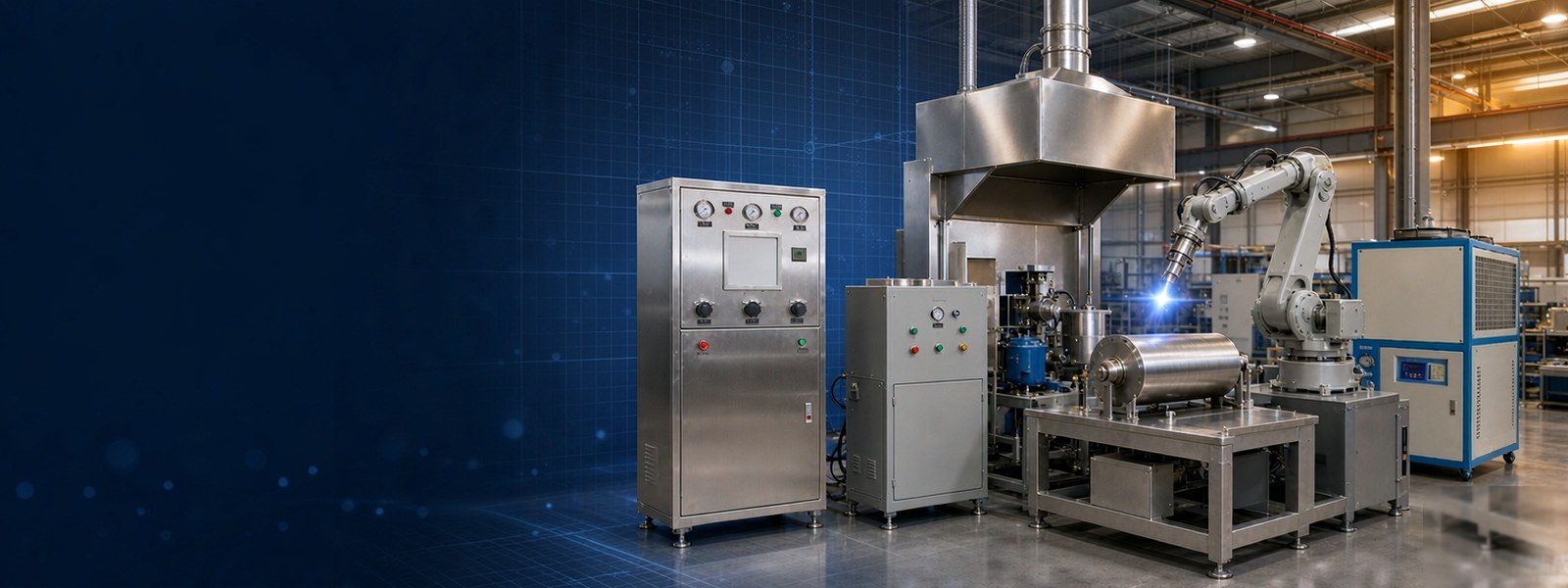
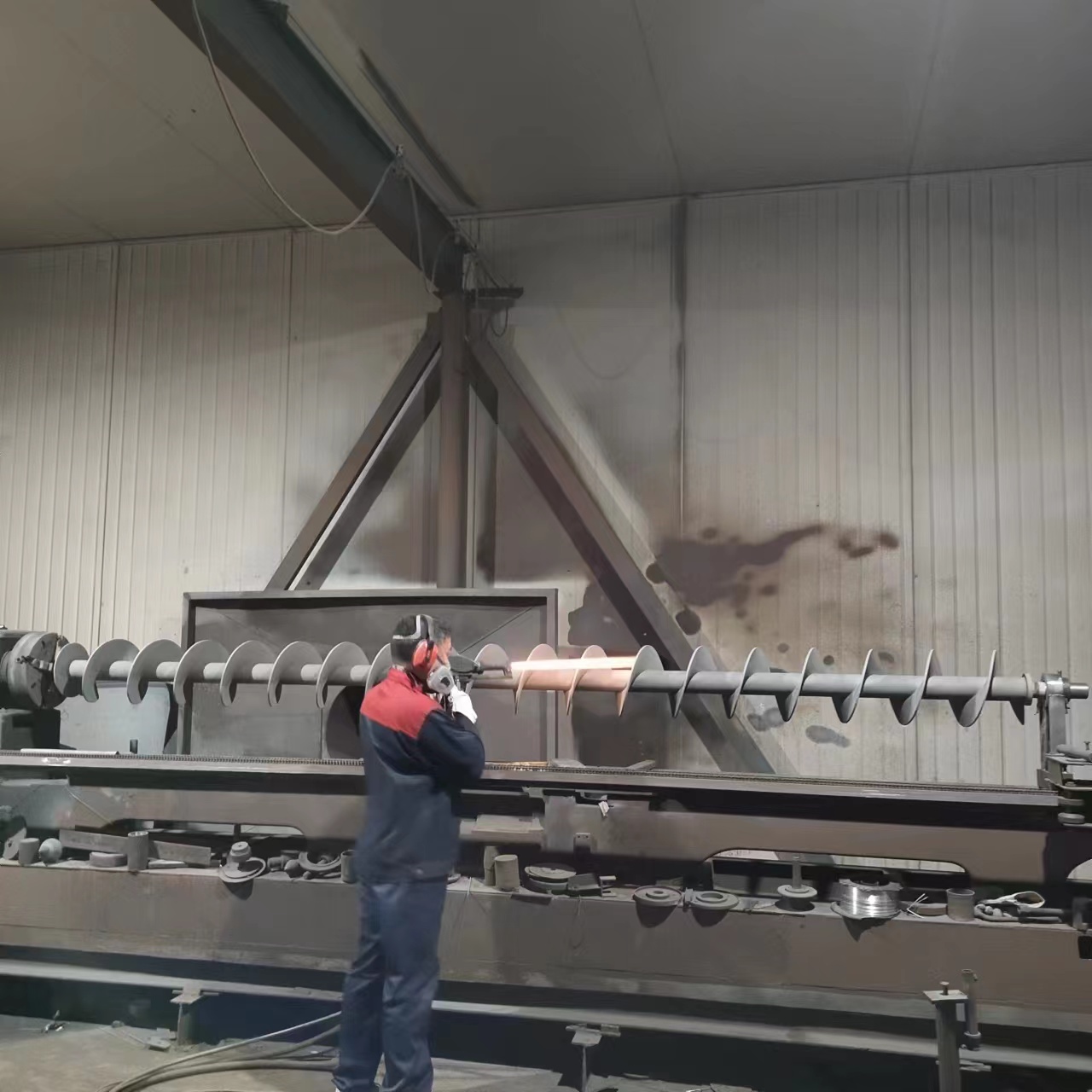
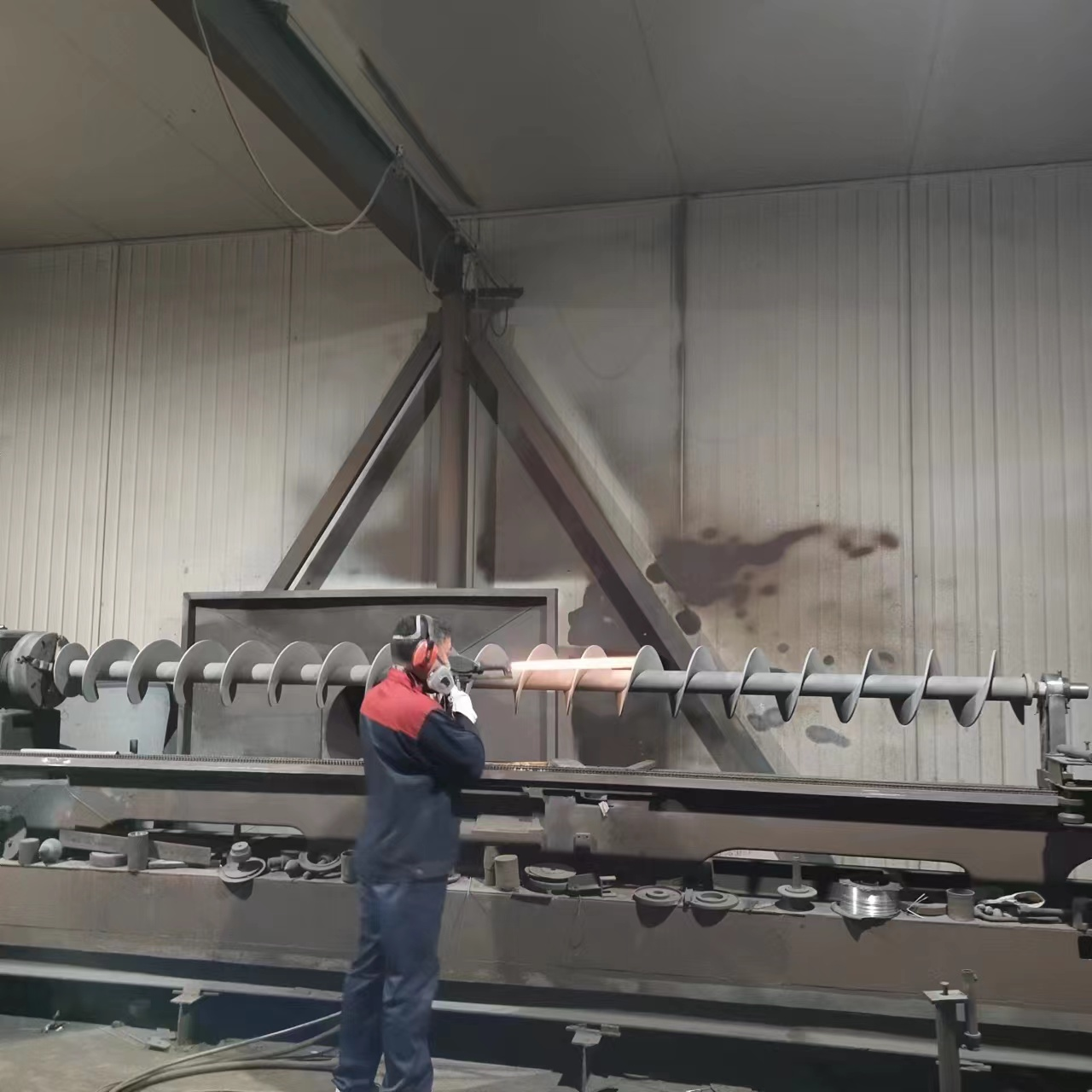
Applied by plasma spraying or HVOF process. Bonding strength >70 MPa, operating temperature range -50℃ ~ 600℃.
Customized Services
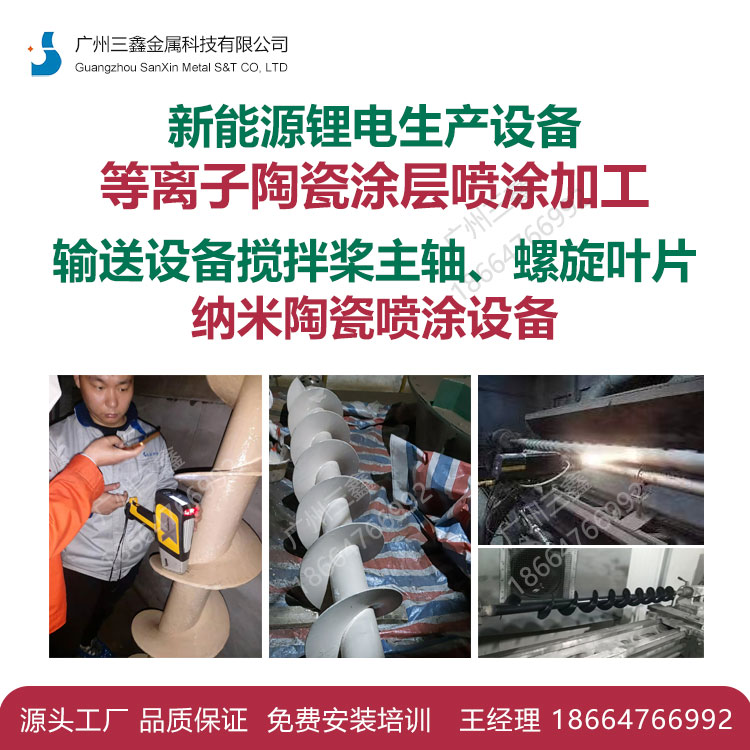
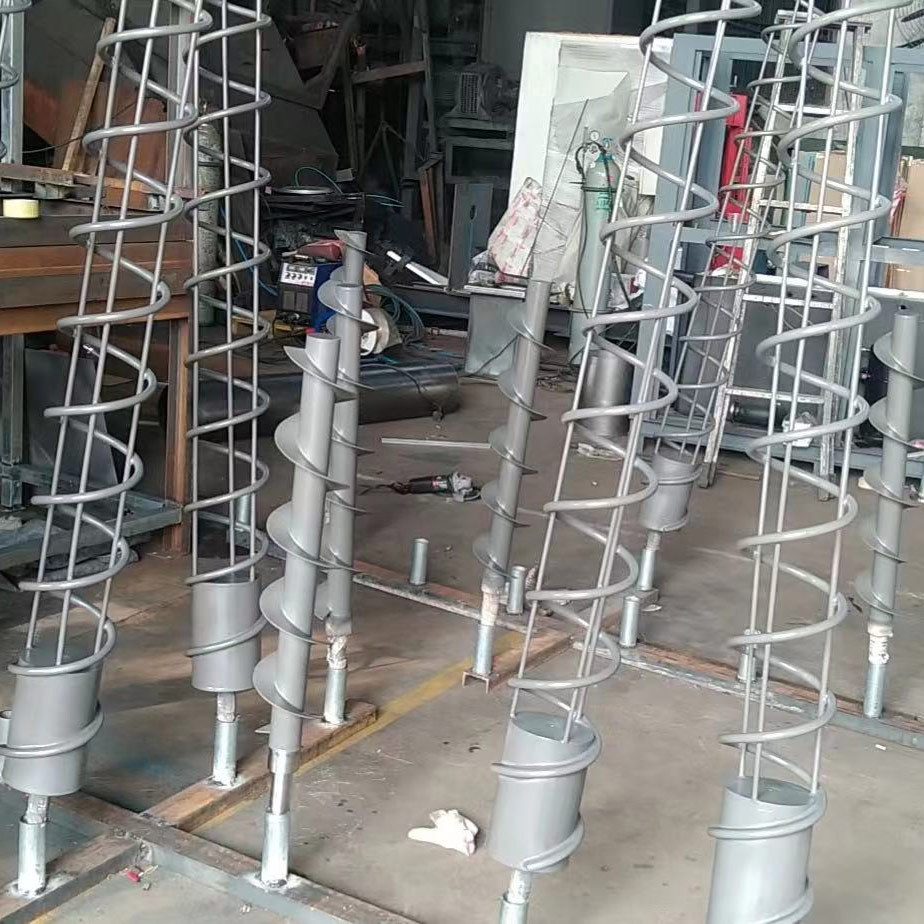
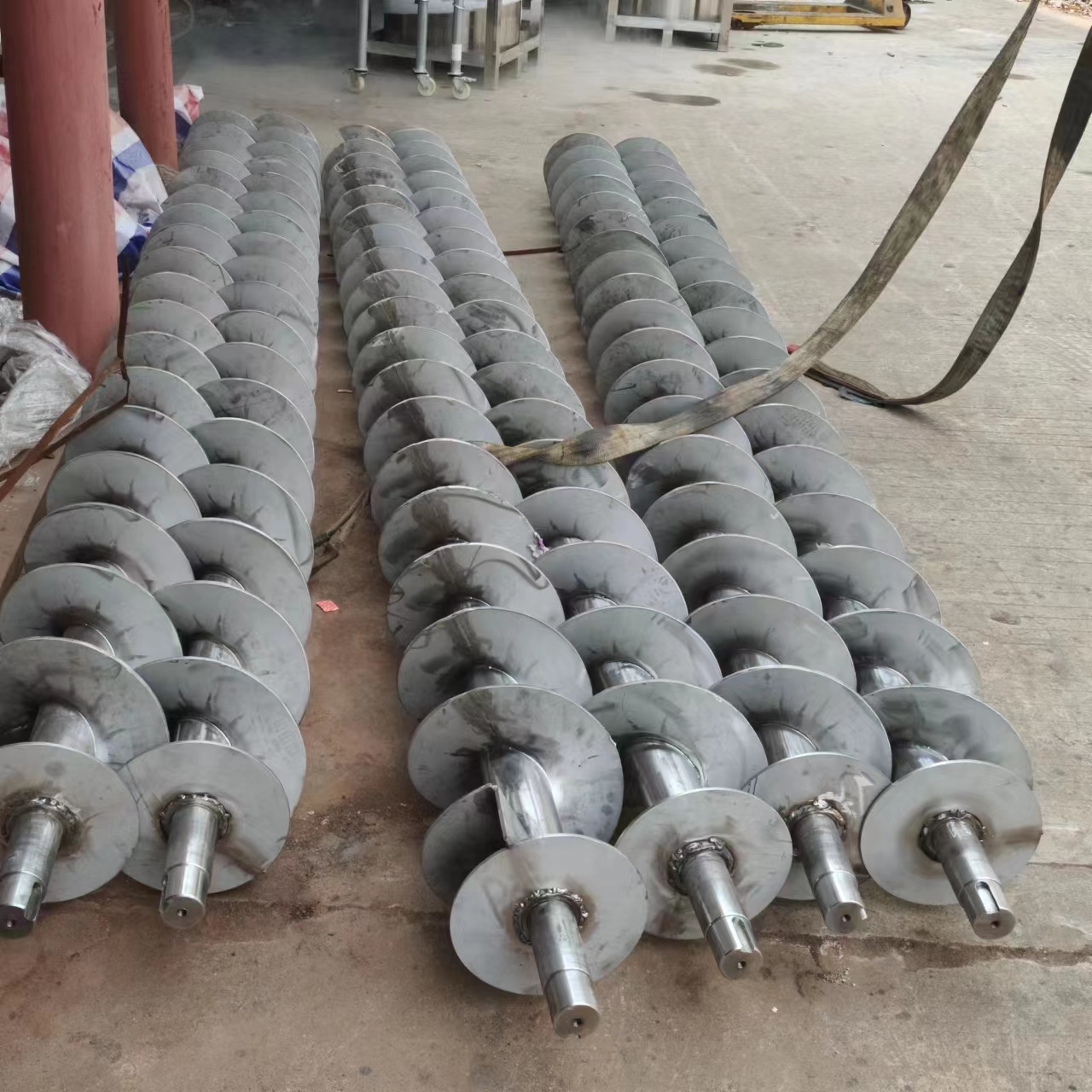
Provide partial or full coating solutions according to grinder models (jet mill, ball mill, mechanical impact mill) and worn parts (liners, classifiers, nozzles, etc.).
Application Effects
Equipment maintenance cycle extended by 2–3 times
Downtime and replacement costs reduced by over 30%
Ensures consistency and batch stability of battery materials
Coating specification
| Parameter | Typical value |
|---|---|
| Coating | Al2O3-TiO2 composite or alumina-zirconia blend |
| Thickness | 0.30-1.00 mm on liners and hammers |
| Microhardness | 850-1,100 HV0.3 |
| Bond strength | 40-60 MPa with NiAl bond coat |
| Porosity | 2-5%, sealed on product-contact surfaces |
| Contamination | Cobalt-free and nickel-free in the product zone |
Why a composite rather than pure alumina
Pure alumina is hard but brittle; under the impact of a crusher hammer it chips at the edges. Adding titania to the ceramic raises toughness at a small cost in hardness, which is the right trade for a part that sees both abrasion and impact. On the liner plates, where impact is lower and sliding wear dominates, a higher-alumina blend is used instead.
Sealing and cleaning between campaigns
Because the same equipment may switch between cathode and anode material, coating porosity has to be sealed so material from one campaign does not lodge in the surface and contaminate the next. Sealed coatings can be washed down between campaigns; unsealed ones cannot.
Frequently asked questions
How long do coated crusher liners last?
In cathode material milling, three to five times the life of uncoated wear plate is typical, depending on the material hardness and the mill loading.
Can worn liners be recoated?
Yes, if the base plate is not deformed or cracked. The old coating is stripped, the plate is straightened and re-profiled, then recoated.
Does the coating slow down the milling process?
No. A smoother, harder liner surface reduces friction and can slightly improve throughput compared with a roughened worn plate.
Further reading: WC-Co vs Cr3C2-NiCr.