Wire spraying is the cheapest way to put metal on metal
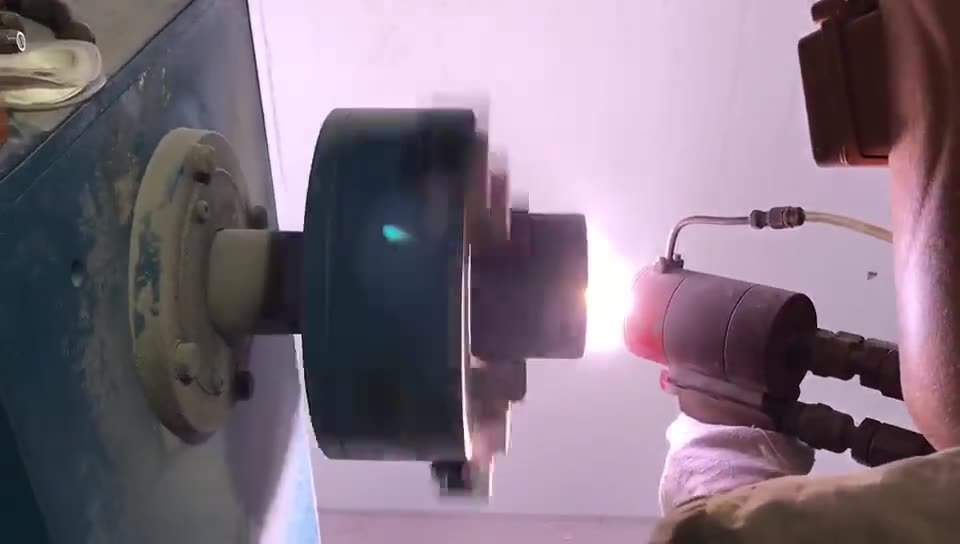
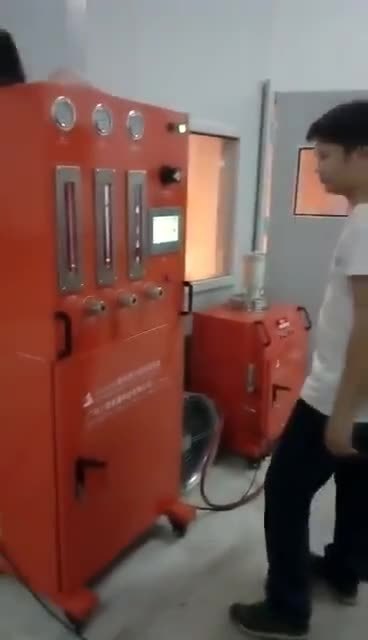
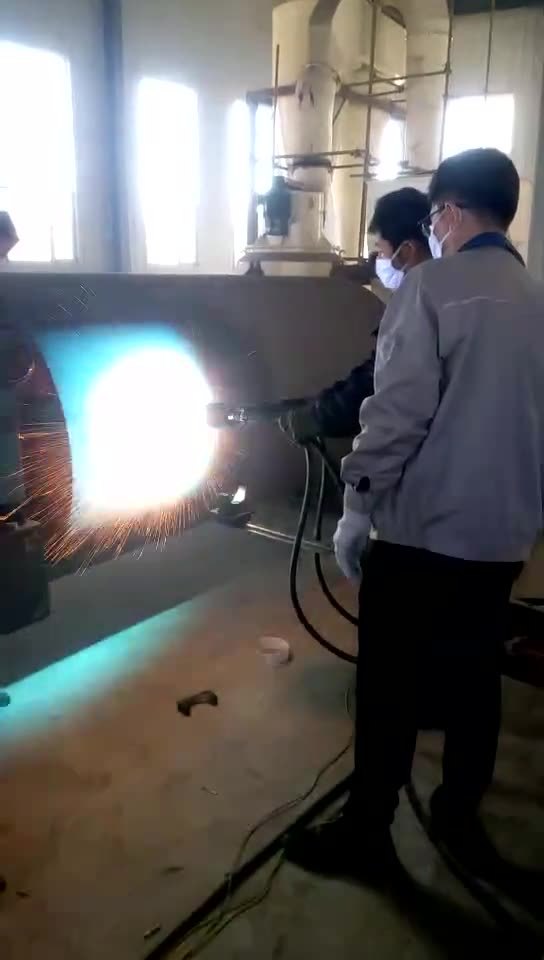
Arc spray melts two wires with an electric arc and blows the molten metal onto the part with compressed air. There is no powder, no gas flame, and the equipment is portable enough to take to a bridge, a tank or a ship. For large areas and thick deposits it is by far the most economical thermal spray process, which is why it dominates structural corrosion protection.
The trade-off is coating quality: arc-sprayed layers are more porous and more oxidised than HVOF deposits, typically 3-8 percent porosity and noticeably rougher. For corrosion protection that is acceptable and even desirable; for a seal face it is not.
The wire grades and what each is for
| Wire | Main use | Notes |
|---|---|---|
| Zinc (99.99 %) | Atmospheric corrosion protection on steel | Sacrificial; standard for bridges and structures. Not for immersion or acid service |
| Aluminium (99.5 %) | Marine and industrial corrosion protection | Better than zinc in salt and sulphur atmospheres; needs sealing |
| Zn-Al 85/15 | Long-life corrosion protection, immersion | Best general-purpose corrosion wire; used on ships, tanks, offshore |
| Copper | Conductive layers, EMI shielding, bronze restoration | Also used as a bond layer for other coatings |
| Cu-Al / Cu-Zn | Anti-fouling, decorative bronze | Used on marine hardware and architectural restoration |
| 316L / 420 stainless | Wear and corrosion resistant rebuild | 420 gives hardness; 316L gives corrosion resistance |
| Nickel-aluminium (NiAl 95/5) | Bond coat, high-temperature oxidation resistance | Self-bonding; standard base layer before other coatings |
| Molybdenum | Hard, low-friction bearing surfaces | Self-bonding; used on piston rings and synchroniser rings |
| Babbitt / white metal | Bearing restoration | Rebuilds worn bearing shells |
Diameter and equipment
1.6 mm and 2.0 mm are the common sizes for portable and shop arc guns; 3.0 mm is used on high-deposition-rate systems where a thicker wire feeds better at high current. The wire must be clean, dry and free of drawing lubricant - contaminated wire produces porosity and poor bonding, and it is the most common cause of a coating that fails adhesion testing.
Coating thickness and sealing
Corrosion coatings run 0.15-0.30 mm for aluminium and zinc on structural steel, up to 0.50 mm for severe marine exposure. Wear rebuilds go thicker, 0.5-2.0 mm, followed by machining. Sealing is not optional for corrosion duty: an unsealed arc-sprayed zinc or aluminium layer has interconnected porosity that lets the electrolyte reach the steel, and the coating then fails from underneath.
A properly prepared and sealed aluminium coating on steel is specified for 20 years and longer in marine environments, and that figure comes from the preparation and the sealing as much as from the wire.
What we need to quote
Application and environment, substrate, required thickness, whether you need sealing and what sealer you use, wire diameter, and the quantity per month. For corrosion work also tell us the durability specification you are working to - ISO 2063 and the various bridge and offshore standards set thickness and sealing requirements that we quote against.
Parameters and the defects they cause
Arc spray is simple in principle and easy to get wrong in practice. The three settings that matter are current (which sets deposition rate and particle temperature), air pressure (which sets atomisation and particle velocity), and spray distance (which sets how much the particle cools before it lands).
The common defects map directly onto those settings. Too low a current gives poorly bonded, crumbly deposits. Too little atomising air gives large droplets and a very rough, porous layer. Too great a distance gives oxidised, weakly bonded particles that fail a bend test. Too short a distance overheats the substrate and can distort thin sections.
The parameters are wire-specific and gun-specific, so we supply a starting datasheet with each wire grade and recommend a coupon test before production. A 10-minute trial on scrap steel saves a rejected part later.
Frequently asked questions
Which wire should I use for marine corrosion protection?
Zinc-aluminium 85/15 is the general-purpose answer for immersion and severe marine exposure, and pure aluminium for atmospheric salt service. Pure zinc is fine for ordinary atmospheric exposure but should not be used in immersion or acid conditions.
How thick should an arc-sprayed aluminium coating be?
0.15-0.30 mm for structural steel in normal environments, up to 0.50 mm for severe marine or industrial exposure. The figure normally comes from the durability standard you are working to, not from the spray shop's preference.
Why does arc-sprayed coating need sealing?
Because it is porous. An unsealed zinc or aluminium layer has interconnected porosity that lets moisture and salt reach the steel, so corrosion starts under the coating and lifts it off. Sealing closes the surface and is what makes the 20-year service life achievable.
Can arc spray be used to rebuild a worn shaft?
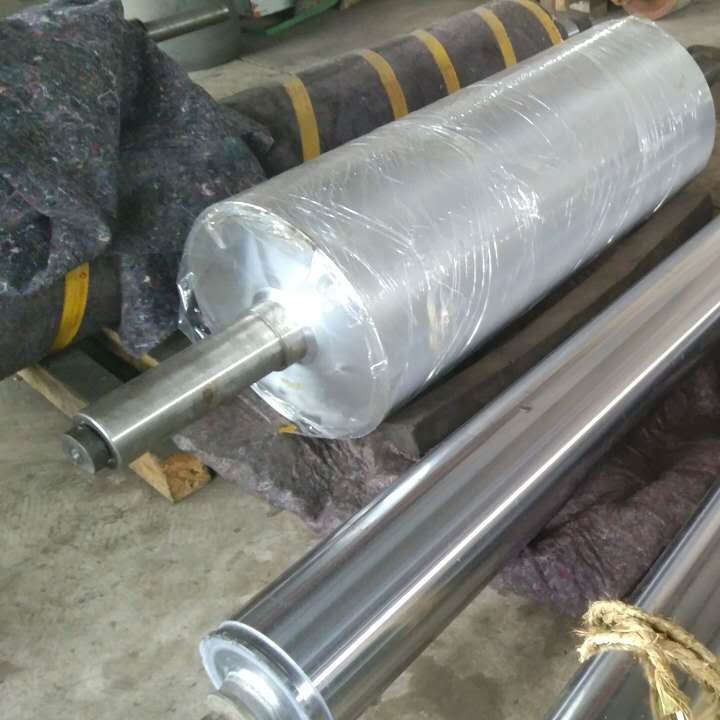
Yes, and it is often the most economical route for wear depths between 0.2 and 2 mm. Above that, welding or replacement is usually cheaper; below it, a sprayed HVOF layer gives a better surface. Arc-sprayed rebuilds are machined afterwards.