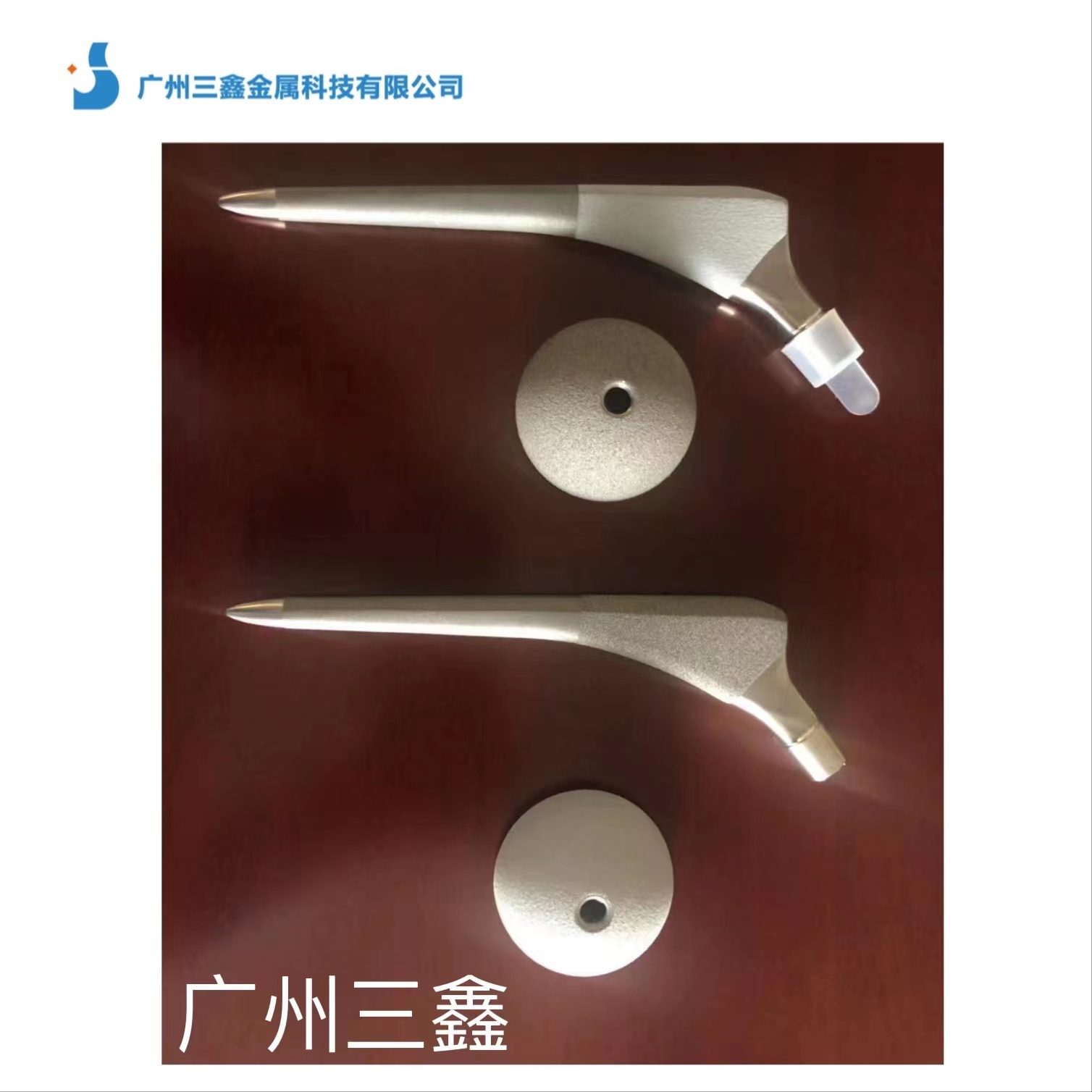
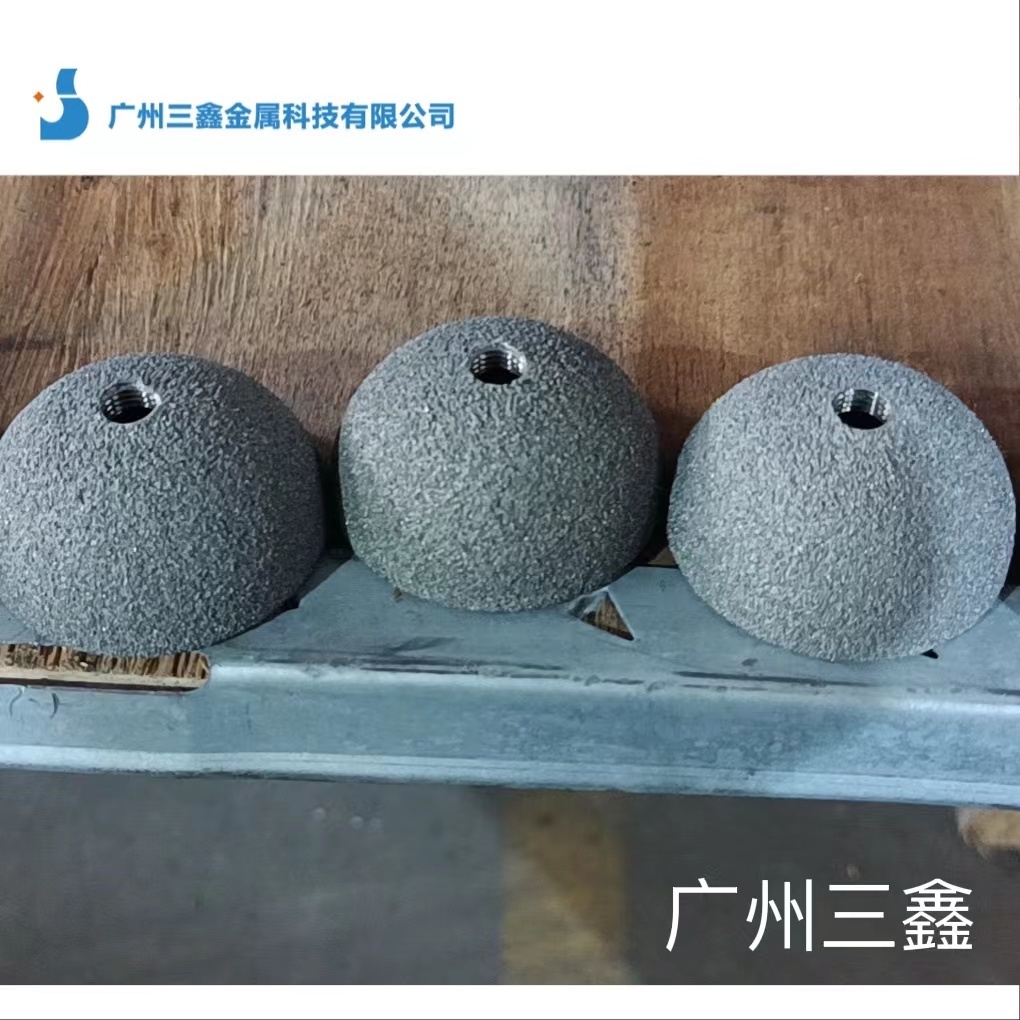
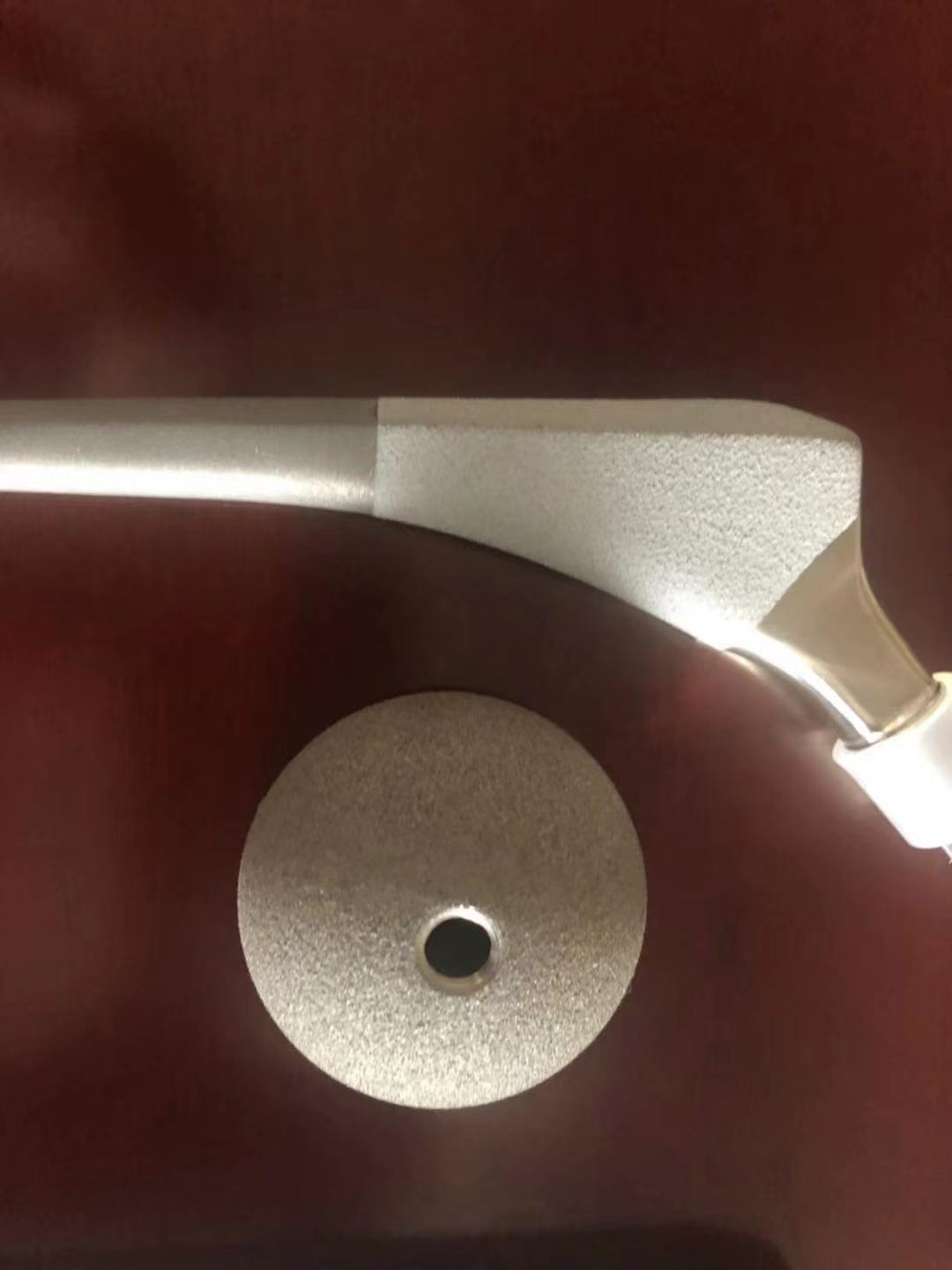
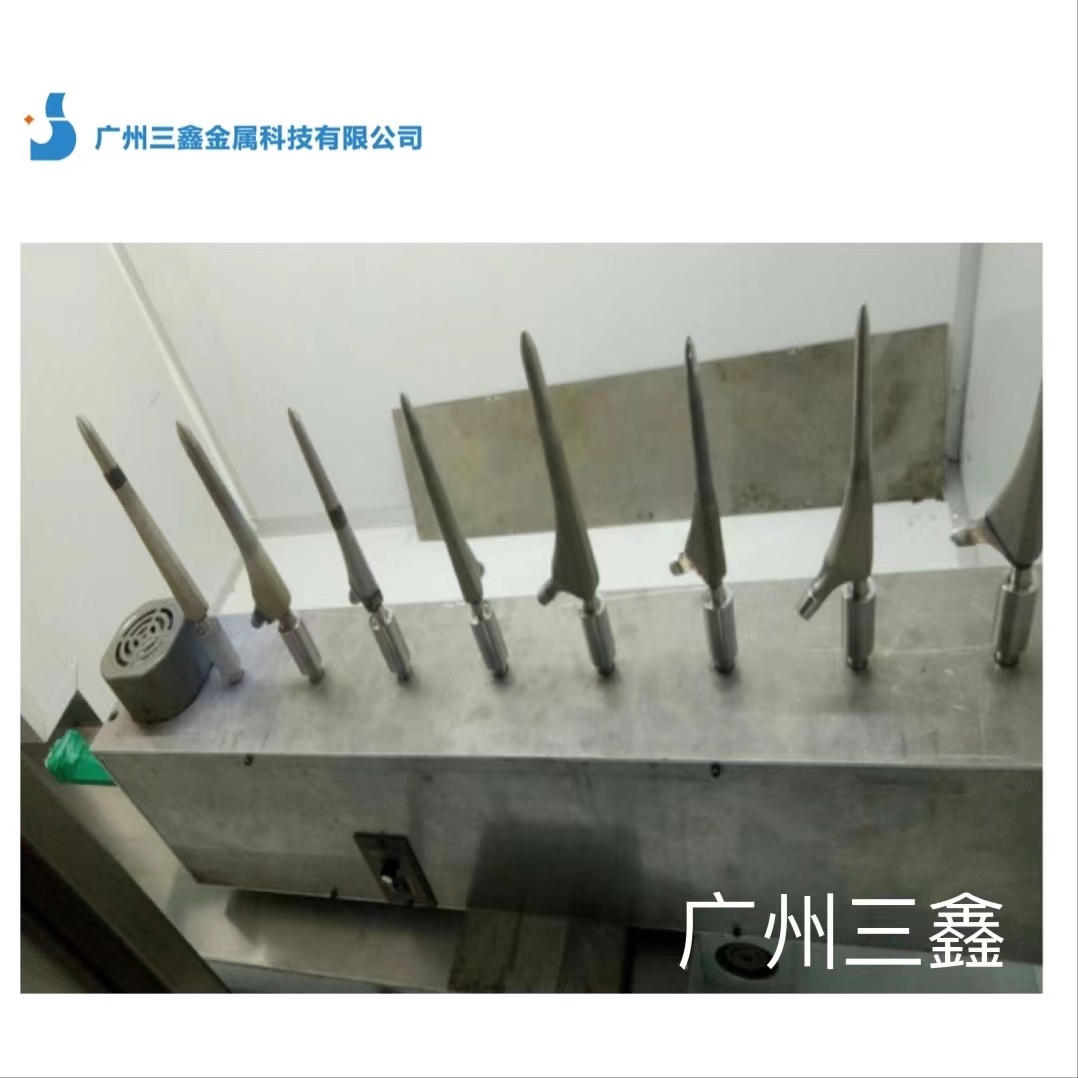
Plasma arc spraying of Ti and HA coatings onto artificial joint surfaces — plasma-sprayed titanium (Ti) and hydroxyapatite (HA) coatings deposited on Ti or its alloy substrates have already been clinically applied.
Clinical Background
Currently, biological hip prostheses coated with hydroxyapatite are widely used in clinical practice. Hydroxyapatite is a calcium phosphate salt with excellent biocompatibility and bioactivity. Through appropriate surface treatment, it forms a thin coating on metal surfaces, significantly enhancing osseointegration of press-fit prostheses and providing bony fixation that lasts until bone ingrowth occurs into the porous surface of the prosthesis. Non-cemented prostheses with HA coatings promote early bone ingrowth after implantation, allowing early weight-bearing — offering both strong mechanical fixation and durable biological fixation, with no complications reported in the long term.
Coating Performance
- Ti and HA coatings are prepared on artificial joint substrates by plasma arc spraying.
- The bonding strength of vacuum plasma sprayed (VPS) Ti coating can reach 60 MPa.
- Crystallinity of the APS HA coating is only 42%, whereas the VPS HA coating exceeds 60%, meeting clinical requirements for implant coating crystallinity.
- Approximately 7,000 artificial hip implants sprayed to date.
HA Composite Coatings
HA-based composite coatings (HA/Ti, HA/TiO2, HA/ZrO2) are prepared on Ti-6Al-4V alloy substrates by plasma arc spraying, effectively enhancing the bonding between coating and substrate. For example, the bonding strength of an HA/ZrO2 composite coating containing 60% ZrO2 is approximately twice that of a pure HA coating — the dopant alleviates the thermal expansion mismatch between coating and substrate and reduces residual thermal stress at the interface.
Prosthesis Structure & Porous Coating
An artificial total hip prosthesis typically includes a femoral stem, femoral head, acetabular liner and acetabular cup. The biological femoral stem generally uses Ti6Al4V alloy with lower elastic modulus and excellent biocompatibility, with a porous layer on the stem body; the biological acetabular cup uses Ti6Al4V alloy or pure titanium with a porous coating on its outer surface. The porous coating is prepared by plasma spraying using spherical titanium beads, titanium powder and calcium phosphate ceramics.