What this video shows
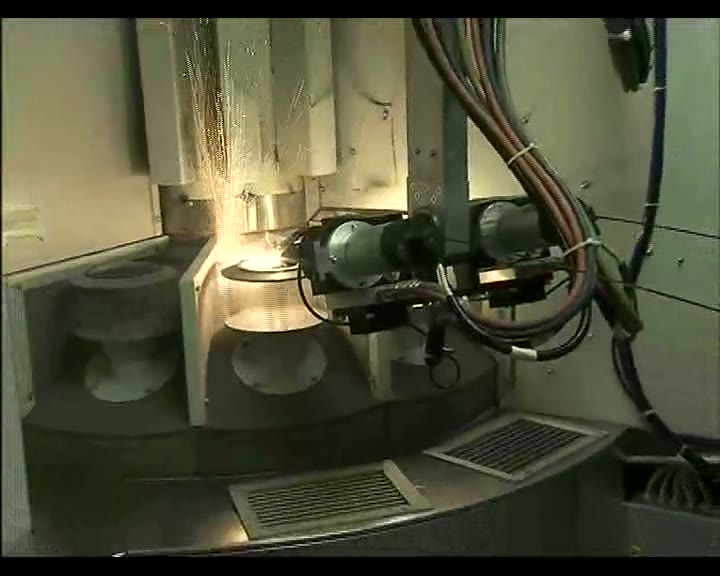
Twin-wire arc spraying on a paper machine dryer cylinder. Two metal wires are fed into the arc at the gun, melted and blown onto the slowly rotating cylinder by compressed air; the gun traverses along the shell so the coating builds up in overlapping passes over the full width.
Dryer cylinders are among the largest parts we coat, which is exactly where arc spraying wins: the deposition rate is high enough to cover a very large surface in a practical time, and the process runs at a standoff that suits a rotating shell.
Process details
- Process: twin-wire arc spray, wire feedstock
- Typical wires: stainless steel (304/316), aluminium bronze, nickel-based alloys
- Typical thickness: 200-500 um, machined after spraying
- Preparation: degrease, grit blast the shell, mask journals and end faces
- Finishing: turning or grinding to restore diameter and surface finish
Where this setup fits
Two jobs dominate: rebuilding a cylinder worn below tolerance, and adding a release/corrosion layer so the sheet does not stick or corrode the shell. Both extend the life of a very expensive part that would otherwise need replacement.
Because arc sprayed layers are more porous than HVOF, sealing or machining is normally part of the job - on a dryer cylinder the surface is machined anyway, which removes the porous skin.
Frequently asked questions
Why is arc spray used for large cylinders?
Because deposition rate matters more than coating density at that scale. Arc spray deposits several kilograms per hour, so a large shell can be covered in a practical time, and the surface is machined afterwards anyway.
Which wire is used on paper machine dryer cylinders?
Stainless steel or aluminium bronze depending on whether the priority is corrosion resistance or release and heat transfer. The choice also depends on the sheet grade and the cleaning chemicals used on the machine.
Can a dryer cylinder be coated on site?
Very large cylinders are usually coated in our workshop because blasting and machining need controlled conditions. For cylinders that cannot be transported, we assess on-site options case by case.