What this video shows
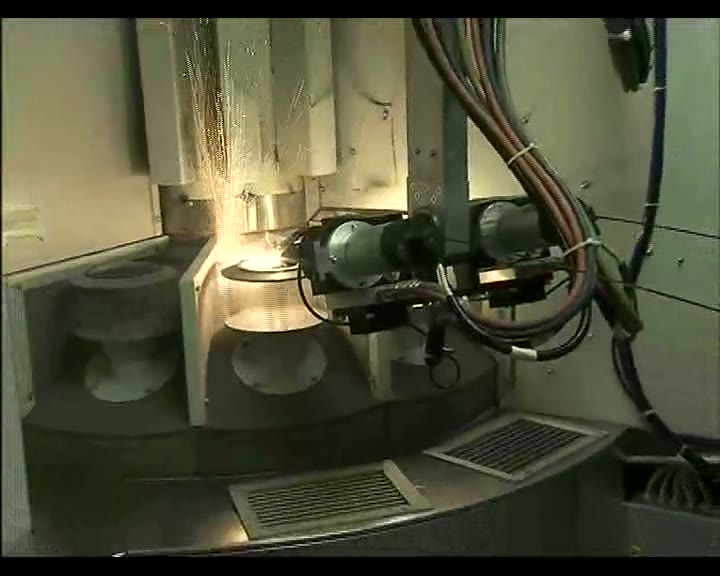
Workshop footage of a calender roll coating job for lithium-battery electrode production: part set-up on the rotating station, grit blasting, pre-heating, tungsten carbide spraying and the surface finishing that follows.
Calender rolls press the electrode coating to a controlled density and thickness, so the roll surface has to hold a mirror finish while resisting constant abrasion from the electrode slurry and the abrasive particles in it.
Process details
- Coatings: WC-Co or WC-CoCr applied by HVOF, sometimes ceramic for release-critical rolls
- Typical thickness: 150-300 um, ground and superfinished after spraying
- Surface finish: mirror finish, typically Ra below 0.1 um after polishing
- Preparation: degrease, blast, pre-heat and mask journals
- Quality checks: hardness, bond integrity, diameter, roundness and roughness
Where this setup fits
Battery electrode lines run calender rolls at high pressure and high speed; uncoated rolls lose finish quickly and transfer that damage to the electrode. A tungsten carbide coating keeps the surface stable and extends the interval between regrinds.
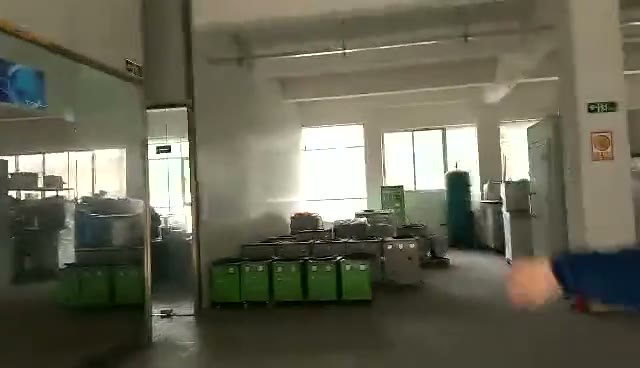
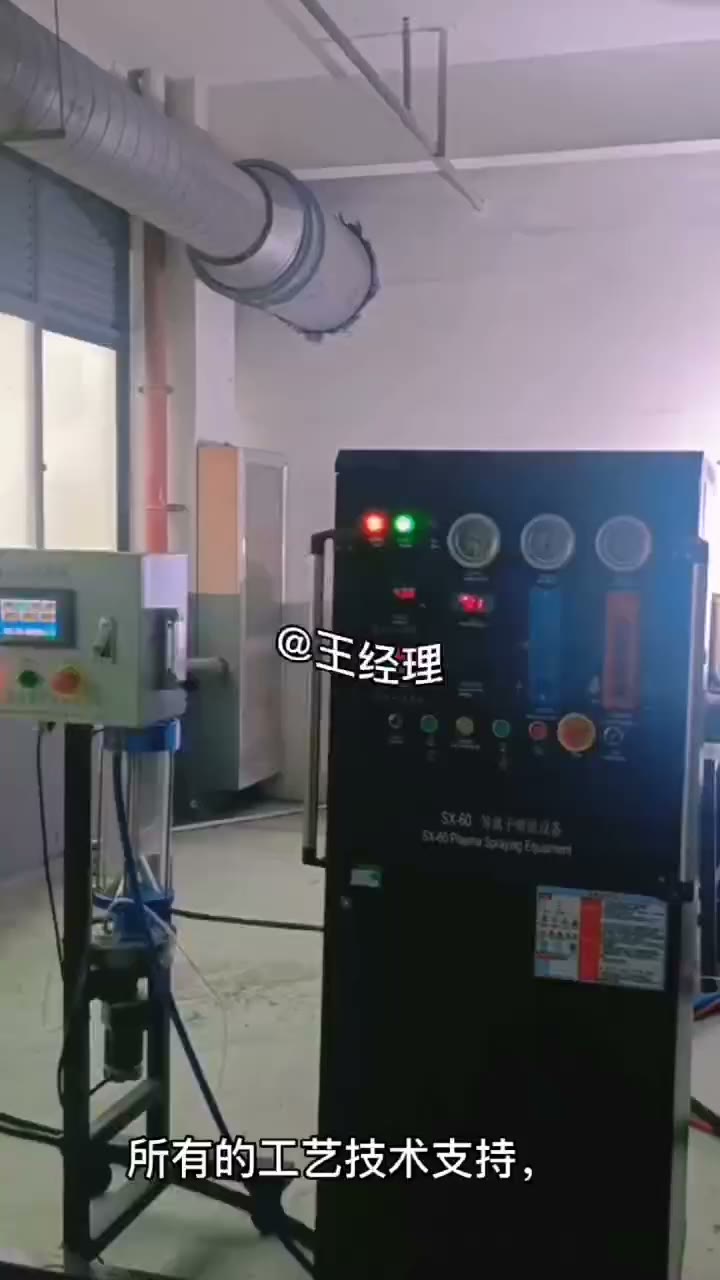
We coat customer rolls in our own workshop, so the process shown here is exactly what a customer's roll goes through - and we also build the coating cells for battery plants bringing the work in-house.
What we need from you
To quote a calender roll job we need the roll drawing or the key dimensions - body diameter, face length, journal sizes and the current surface condition - plus the target finish and the electrode formulation being calendered. Rolls are inspected on arrival, stripped if an old coating is present, then blasted, sprayed, ground, polished and measured before return. Where the customer has a roughness specification from the electrode supplier, we work to that number rather than a generic mirror finish.
Frequently asked questions
What coating is used on lithium battery calender rolls?
Usually HVOF tungsten carbide (WC-Co or WC-CoCr) ground and polished to a mirror finish, because it combines abrasion resistance with the surface quality the electrode needs. Some release-critical rolls use ceramic instead.
What surface roughness is required?
Typically Ra below 0.1 um after polishing, with tight control of roundness and diameter. The finish directly affects electrode density uniformity, so it is measured and recorded before the roll goes back into the line.
How often do coated calender rolls need regrinding?
The interval depends on line pressure, speed and electrode formulation, but coating typically multiplies it several times compared with an uncoated roll. The coating can be stripped and re-applied when the roll reaches its regrind limit.