What this video shows
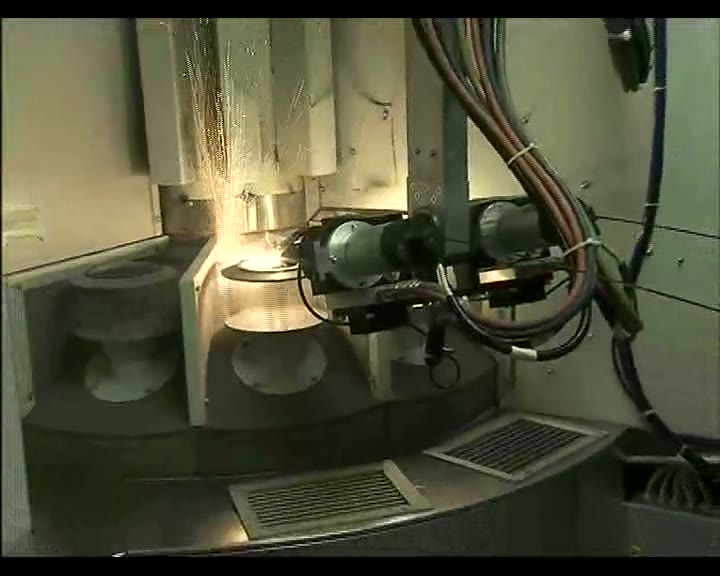
Surface preparation and spray coating of steel guide rolls used in paper, film and packaging lines, filmed on our production floor. The roll rotates on the spray station while the gun traverses along its length, building the coating to an even thickness over the full face.
Guide rolls wear fastest at the edges and in the web contact zone, where the sheet rubs continuously. Once the surface is scored or worn below tolerance the roll starts marking the product, and the line has to stop.
Process details
- Preparation: degrease, grit blast to an anchor profile, mask journals and bearing seats
- Typical coatings: WC-Co or WC-CoCr for abrasion, alumina or chromia for release and corrosion
- Typical thickness: 150-350 um, ground and polished after spraying
- Finishing: cylindrical grinding to final diameter, then polishing to the required roughness
- Acceptance: diameter, roundness, roughness and hardness measured and recorded
Where this setup fits
Coating extends roll life several times over an uncoated steel surface, and a damaged roll can be rebuilt to original diameter instead of being scrapped. For paper, film and packaging lines the alternative - replacing rolls on a schedule - costs far more than recoating them.
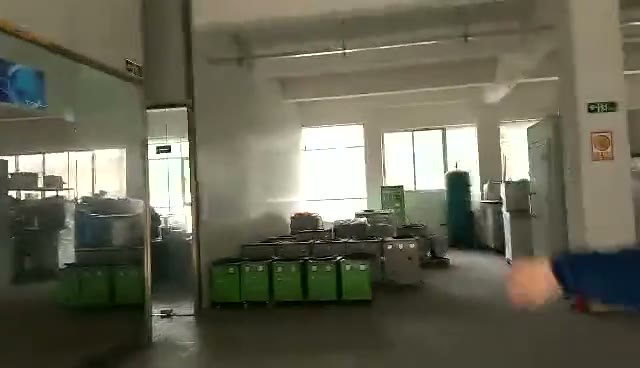
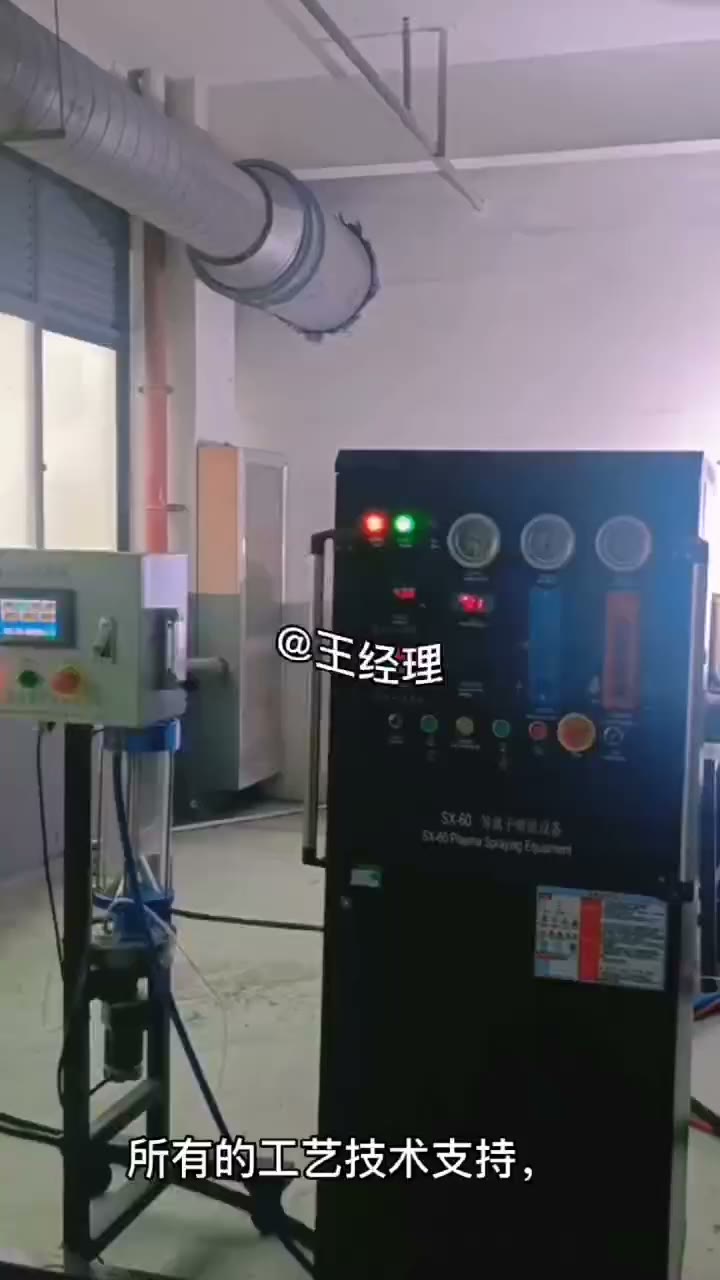
We coat customer rolls in our own workshop and also supply the roll-coating cells for plants that want to bring the process in-house.
Frequently asked questions
How much longer does a coated guide roll last?
Typically several times the life of an uncoated steel roll in the same service, depending on the web material, wrap angle and tension. Tungsten carbide coatings are used where abrasion dominates, ceramics where release and corrosion matter.
Can a worn roll be rebuilt rather than replaced?
Yes - that is one of the main reasons for coating. The worn surface is blasted, built up with coating to slightly above nominal diameter, then ground back to the drawing tolerance.
Do you coat rolls on site or in your workshop?
Standard practice is in our workshop, where blasting, spraying, grinding and inspection are under one roof. On-site coating is possible for very large cylinders that cannot be transported - ask for an assessment.