What this video shows
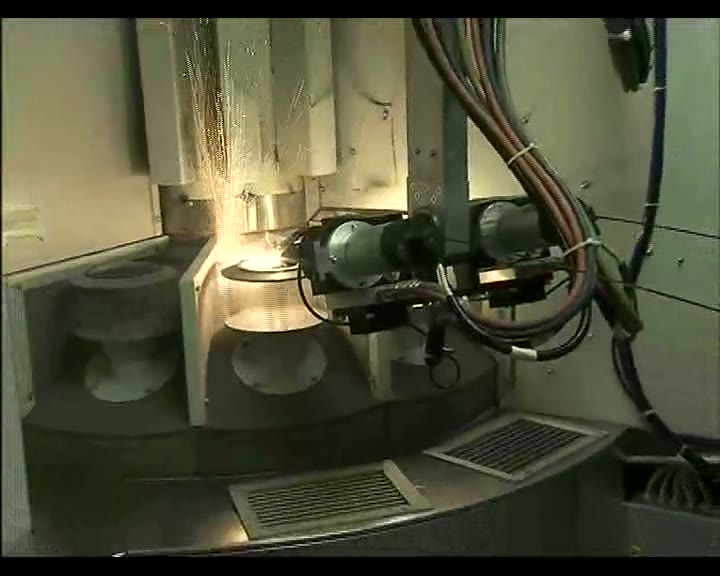
Hard-facing valve bodies and valve plates with tungsten carbide and ceramic coatings. Valve internals fail through a combination of erosion, corrosion and metal-to-metal contact; a plasma sprayed layer on the ball, seat and plate provides a hard, low-friction surface that keeps the seal tight and extends inspection intervals.
The clip shows parts fixtured on a rotating station with the gun traversing the sealing surfaces.
Process details
- Coatings: WC-Co for abrasive slurries, chromium oxide for corrosive media, ceramics for high-temperature duty
- Typical thickness: 150-400 um, ground and lapped on sealing faces
- Preparation: degrease, blast, mask threads and bores that must stay uncoated
- Finishing: grinding and lapping to the seat geometry and surface finish required for tight shut-off
- Quality: coating thickness, hardness and seal-face finish checked before assembly
Where this setup fits
Ball valves, gate valves, butterfly valve plates and seats in mining, power, chemical and oil and gas service. Coating is usually far cheaper than replacing the valve body, and it can be repeated at each overhaul.
The coating choice follows the medium: abrasive slurry pushes you to carbide, aggressive chemistry to chromium oxide, high temperature to ceramic.
What we need from you
The valve size and pressure class, the body and trim material, the medium (with solids content and temperature) and the failure mode you are seeing - erosion, corrosion, galling or loss of shut-off. That determines the coating: carbide for abrasive slurry, chromium oxide for aggressive chemistry, ceramic for high temperature. Sealing faces are ground and lapped after spraying to the geometry the seat requires, and thickness and hardness are recorded per part for the overhaul file.
Frequently asked questions
Carbide or ceramic for a valve seat?
Carbide (WC-Co) where the medium is abrasive and there is particle impact; chromium oxide where corrosion dominates and the medium is chemically aggressive; ceramic where temperature is the main driver.
Can a worn valve body be rebuilt instead of replaced?
In most cases yes - the sealing surfaces are built up with coating and machined back to the original geometry. The body has to be structurally sound; cracks or deep corrosion pitting can make replacement the better option.
How is the seal face finished after coating?
By grinding and lapping to the required flatness and roughness. A tight shut-off depends on the finish as much as on the hardness, so the finishing step is part of the coating job, not a separate one.