What this video shows
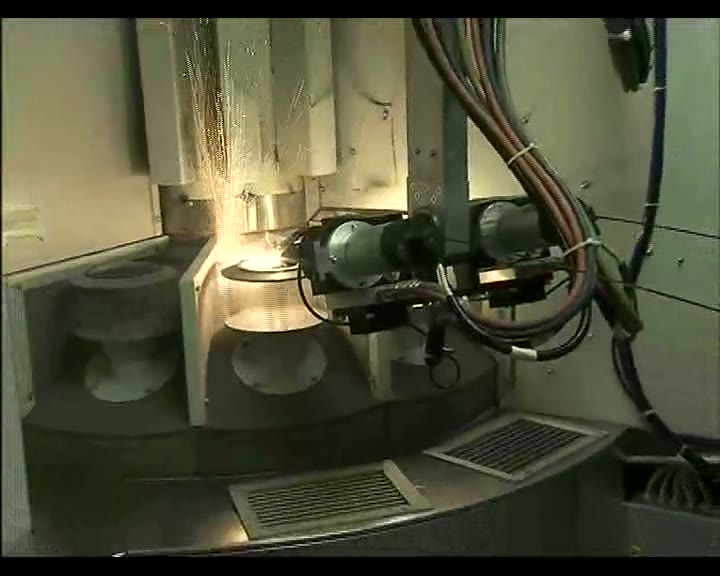
Plasma spraying a wear-resistant ceramic coating onto pump and motor shaft sleeves. The sleeve rotates on the fixture while the gun traverses, building a hard layer on the sealing and bearing surfaces - the areas that wear out first in slurry and abrasive service.
Instead of scrapping the sleeve, the worn surface is rebuilt with coating and ground back to tolerance. The result is a part that outperforms the original in abrasive service at a fraction of replacement cost.
Process details
- Coatings: alumina or chromia ceramic, WC-Co where impact is present
- Typical thickness: 150-350 um, ground to final tolerance
- Preparation: degrease, grit blast, mask non-coated faces, pre-heat
- Finishing: cylindrical grinding, then polishing for seal contact
- Typical life gain: several times the uncoated sleeve in abrasive slurry
Where this setup fits
Slurry pumps, dredge pumps, mixers and process pumps all wear at the sleeve and seal area. Coating is cheapest when the part is still dimensionally salvageable - once the sleeve is deeply grooved, the build-up needed makes the job uneconomical.
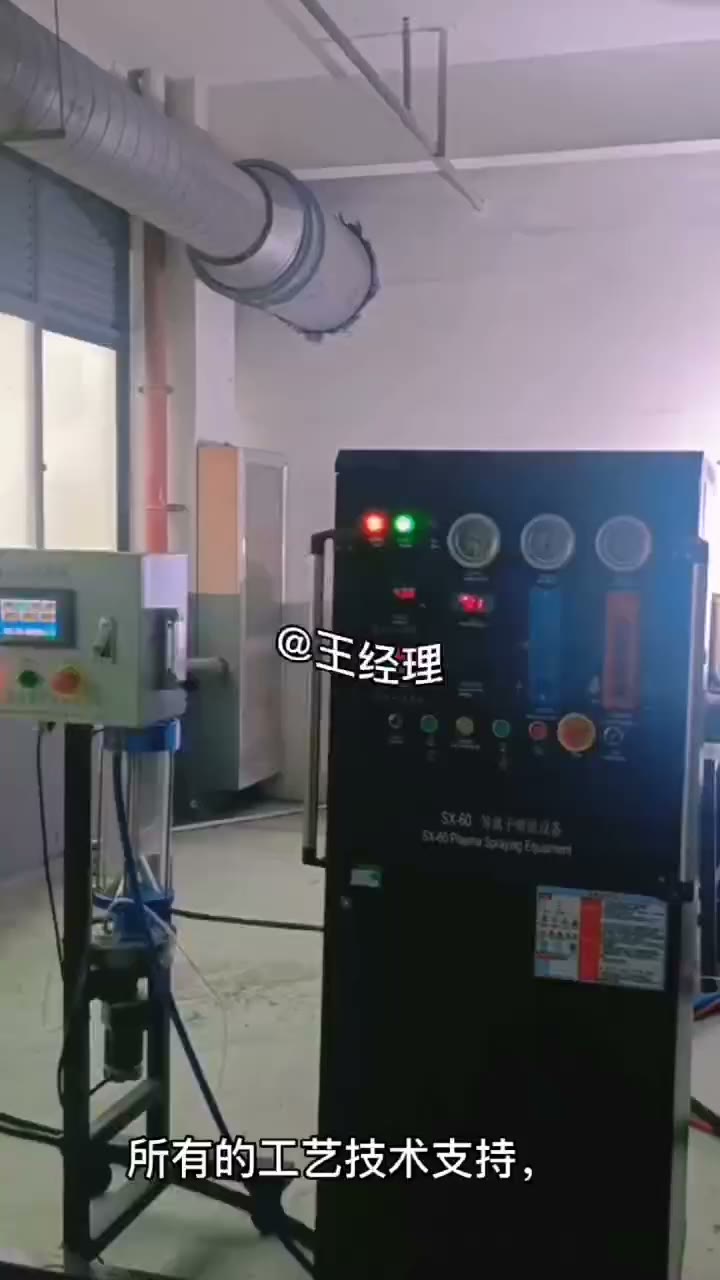
We coat customer sleeves in our workshop and also supply the plasma systems for plants that want to run the process in-house.
What we need from you
Send the sleeve drawing or dimensions (outer diameter, length, seal and bearing seat positions), the base material and its heat treatment, and a description of what is wearing - abrasive slurry, dry running, chemical attack or fretting. That determines whether the answer is alumina, chromia or WC-Co, and whether a bond coat is required. Worn parts are measured before and after spraying so the finished diameter and the amount of material removed are both on record.
Frequently asked questions
Ceramic or carbide for a pump shaft sleeve?
Alumina or chromia ceramic where corrosion and sliding wear dominate and there is no heavy impact; WC-Co where the service includes particle impact or high load. The slurry chemistry and pump Duty point decide the choice.
Can a badly worn sleeve still be coated?
Up to a point. Coating can rebuild roughly 0.1-0.5 mm of radius depending on the process; deeper damage usually needs welding before spraying, or replacement of the sleeve.
Is the coating suitable for seal contact?
Yes - the coating is ground and polished to the required roughness for the seal type. Ceramic coatings are commonly used against mechanical seals in abrasive service.