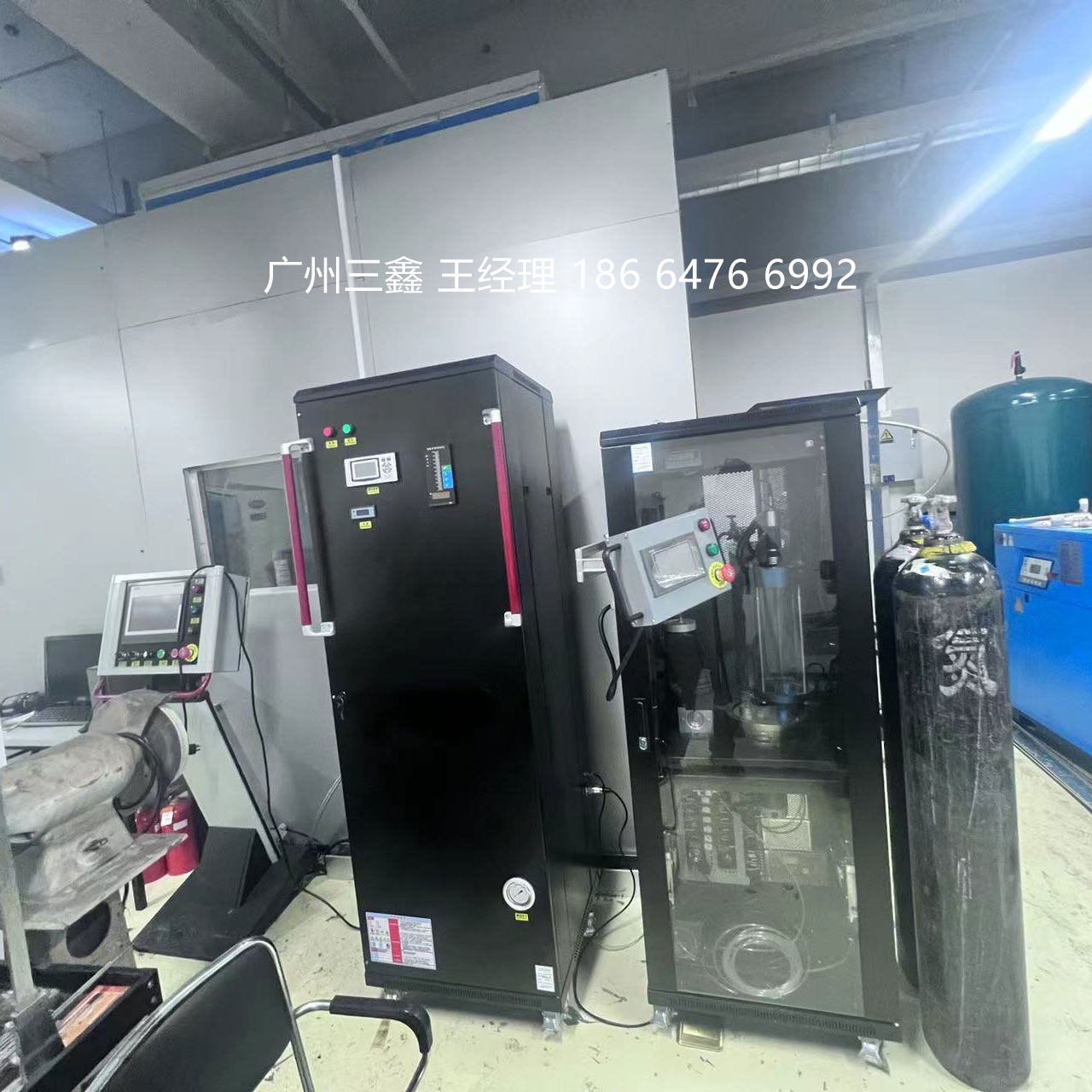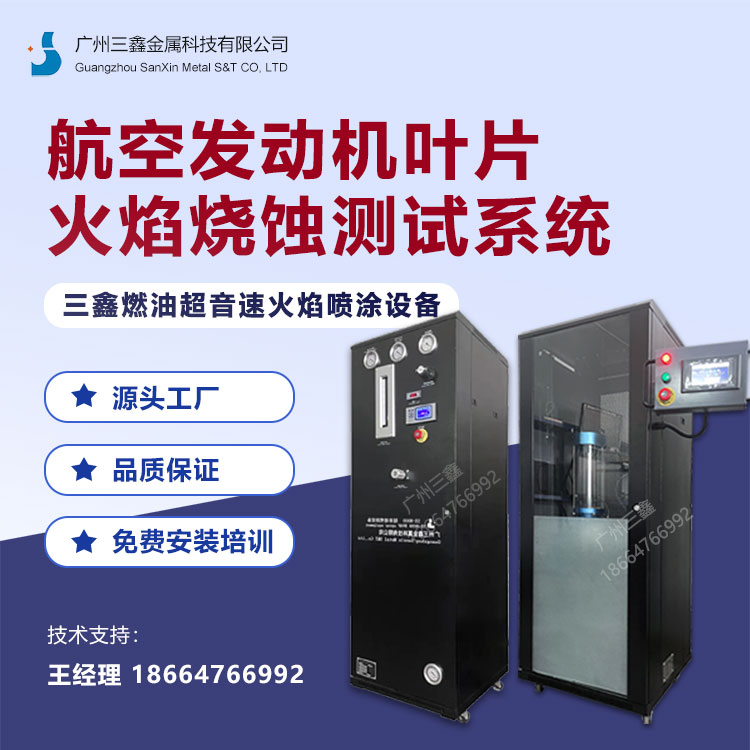
To qualify aero-engine blade coatings and ceramic-matrix composites, laboratories need a repeatable high-enthalpy flame environment on the bench. Guangzhou Sanxin developed a complete flame ablation test system: the version delivered to East China University of Science and Technology passed acceptance for testing high-temperature ablation and erosion of engine blade coatings, and a second unit for testing aerospace composite ceramics and blade TBCs was accepted at the Third Academy of Aerospace (Beijing).
System Composition
| Module | Function |
|---|---|
| Supersonic flame spray system | Generates the high-temperature, high-velocity test flame |
| Fuel control system | Regulates fuel and oxygen for repeatable flame conditions |
| Central control system | Sequences the test, interlocks and safety shutdown |
| Temperature acquisition & measurement | Multi-point pyrometry and thermocouple logging |
| Monitoring system | Video observation of sample ablation in real time |
| Spray cabin and test platform | Sample fixtures, rotation and distance adjustment |
| Fume extraction | Dust and exhaust capture |
Delivery includes full commissioning and engineer training on every subsystem. The same spray-system expertise behind the rig powers our SX-80 plasma systems and coating service operations.
Frequently Asked Questions
What can be tested in this rig?
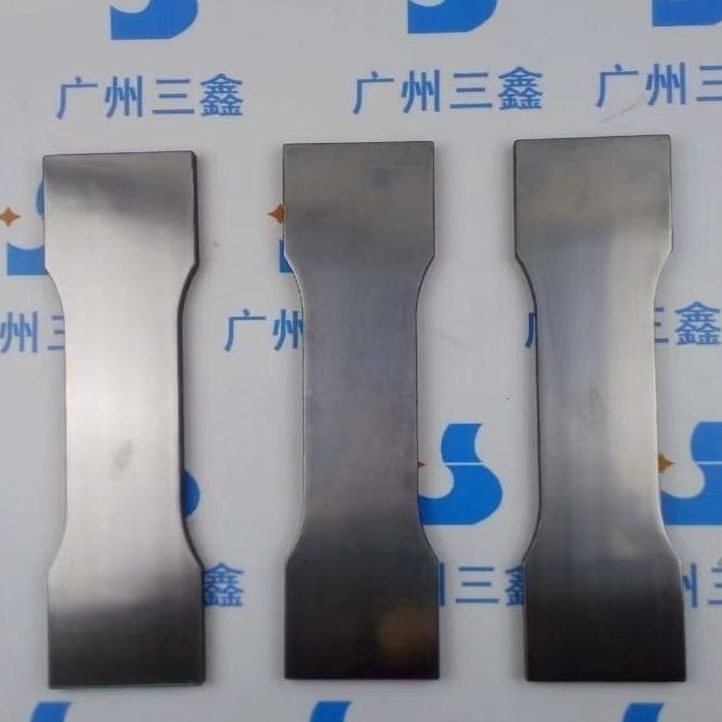
Thermal-ablation resistance of coatings and composites: TBC on blades, C/C and ceramic-matrix composites, nose-cone materials, under supersonic flame temperatures approaching those of flight erosion environments.
Is the system customisable to a specific test standard?
Yes. Flame temperature, exposure distance, duration, sample rotation and data-logging intervals are configured to the customer's test specification; commissioning and operator training are included.