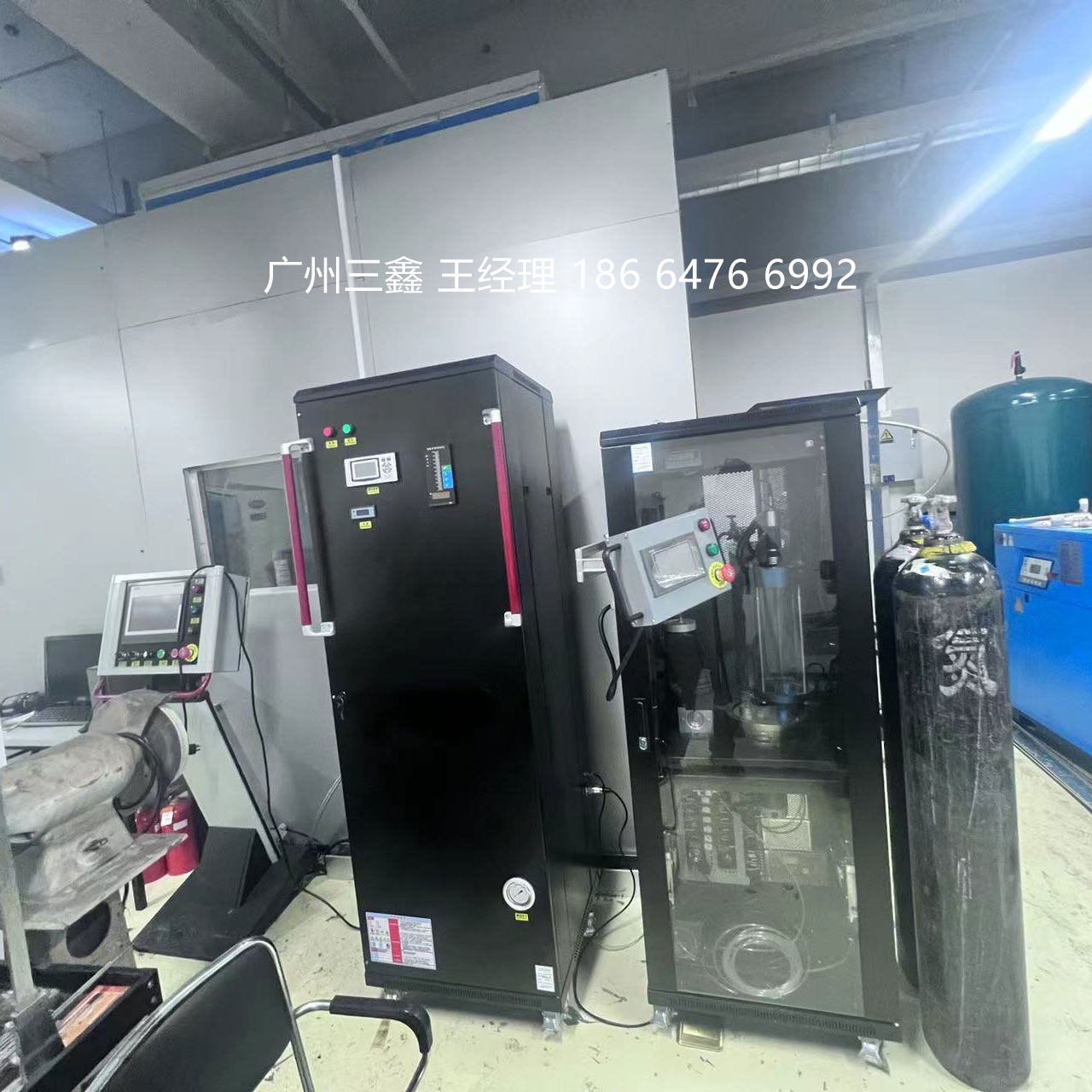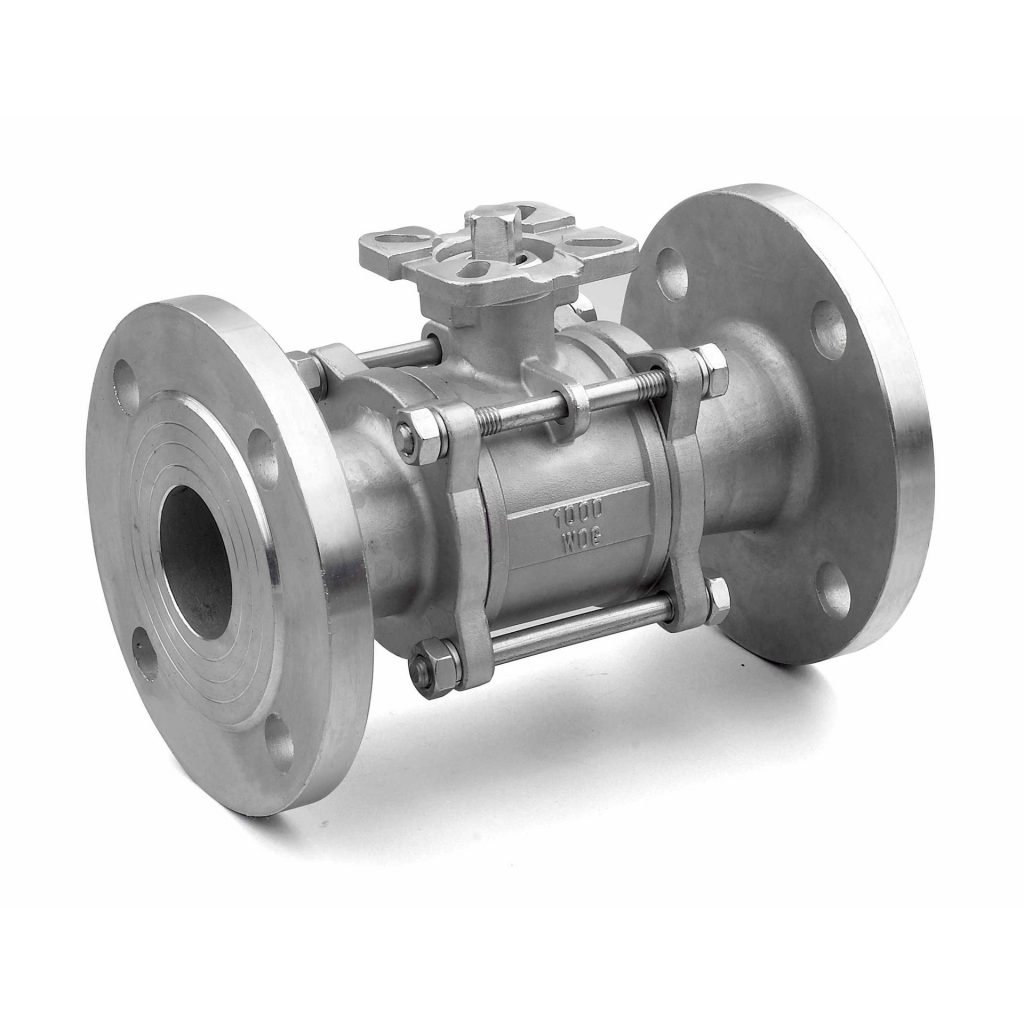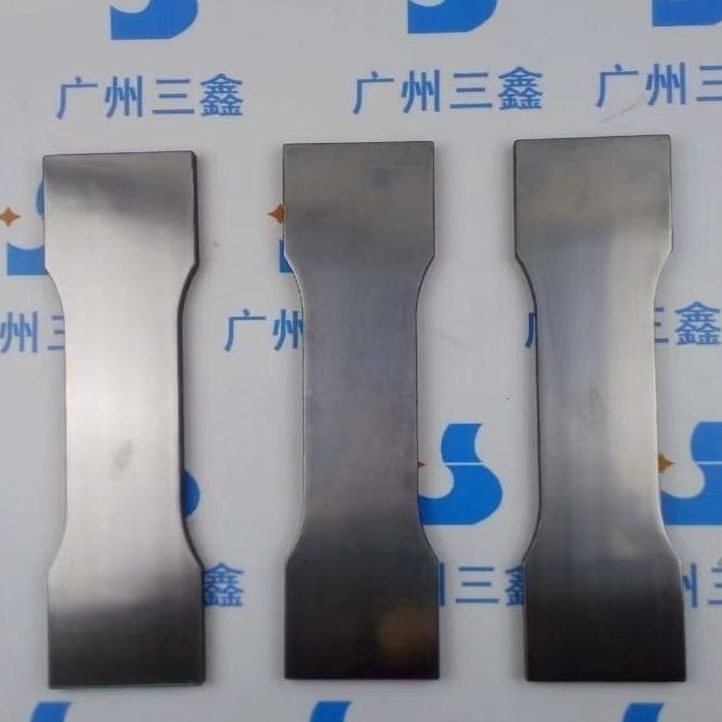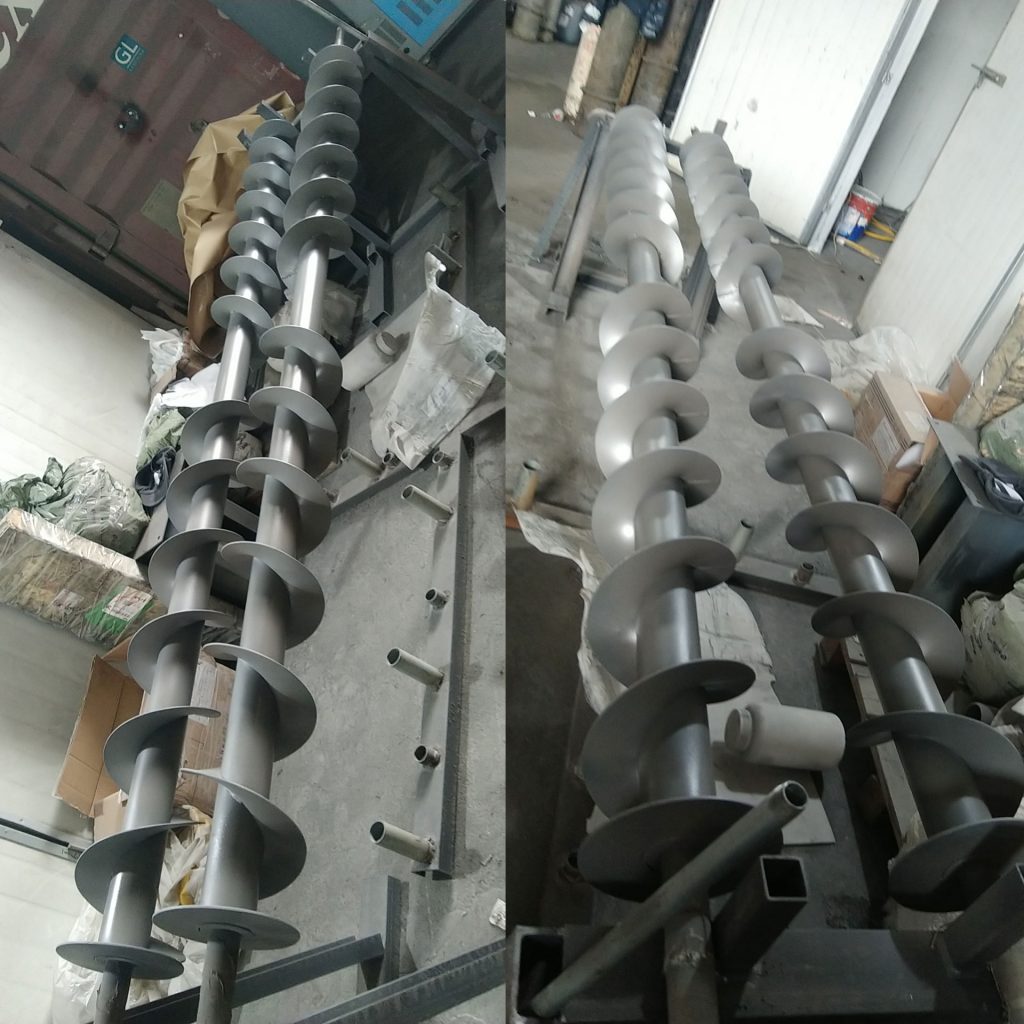
Lithium battery cathode plants fight a constant enemy: metallic contamination. Guangzhou Sanxin applies plasma cladding ceramic coatings on site using American Miller equipment, for silos, screws, ribbon blenders and conveying systems in the lithium battery new-energy industry.
Process and Coating Data
| Parameter | Value |
|---|---|
| Heat source | Miller plasma, arc temperature above 10 000 °C |
| Coating material | 100% pure ceramic powder, no epoxy or binder |
| Bonding | Metallurgical bond to the substrate |
| Thickness | 0.6–1.8 mm |
| Magnetic foreign matter (ppb) | Reduced 10–50 ppb versus polymer-lined parts |
| Restart time | Immediate — no cure cycle |
Why Plants Choose This Route
- No chemical contamination – without epoxy or adhesive binders there is nothing to leach into the powder.
- No metal pickup – the ceramic layer contains no metal phase, keeping magnetic particle counts low.
- Metallurgical bond – unlike glued linings, the layer cannot peel at edges under abrasive slurry flow.
- On-site construction – screws and vessels are coated in place, avoiding shipment of large assemblies.
Related: our lithium battery equipment plasma cladding service and crusher lining protection service.
Frequently Asked Questions
Why does a pure ceramic layer lower magnetic particle readings?
Polymer linings and some hardfacing alloys carry metal fillers that shed into the powder. A 100% ceramic coating contains no metal at all, so metallic foreign-matter counts fall by 10-50 ppb in long-term comparison.
How soon can equipment run after on-site coating?
Immediately. The coating cools within minutes and needs no curing period, so vessels and screws can go back into production the same shift.