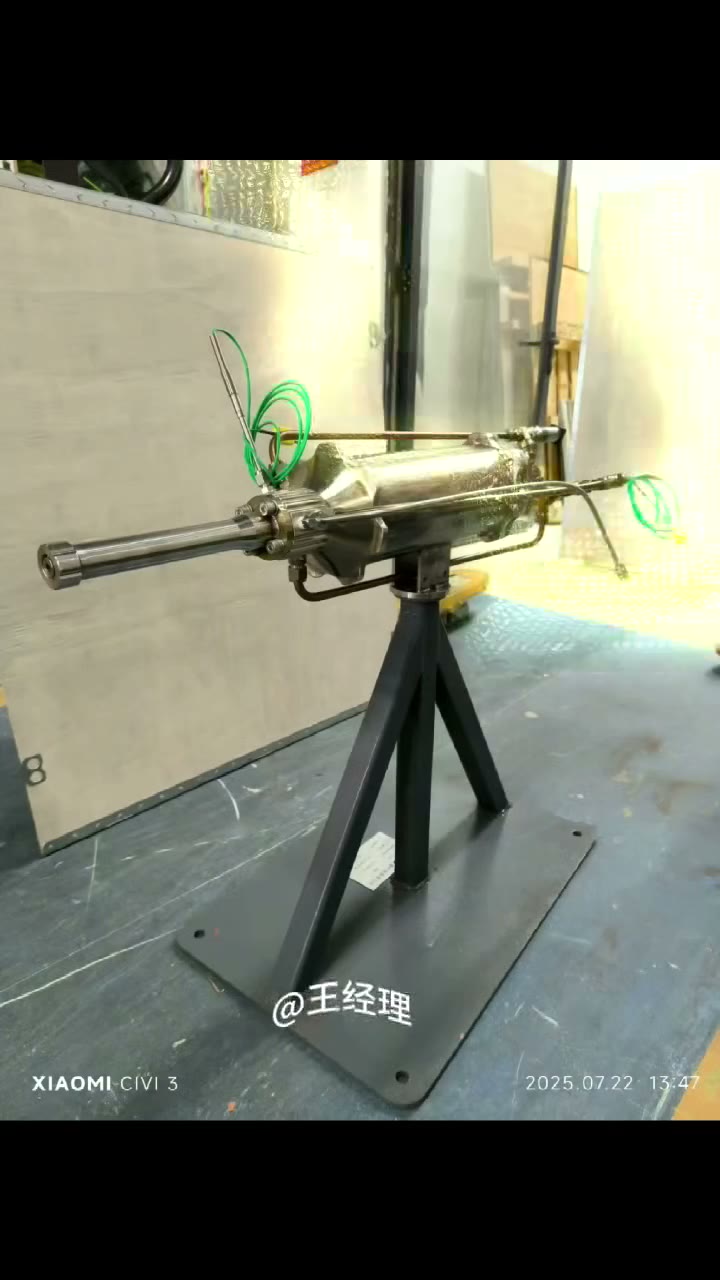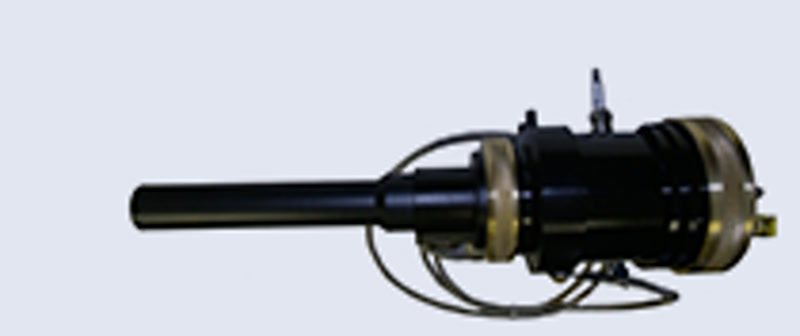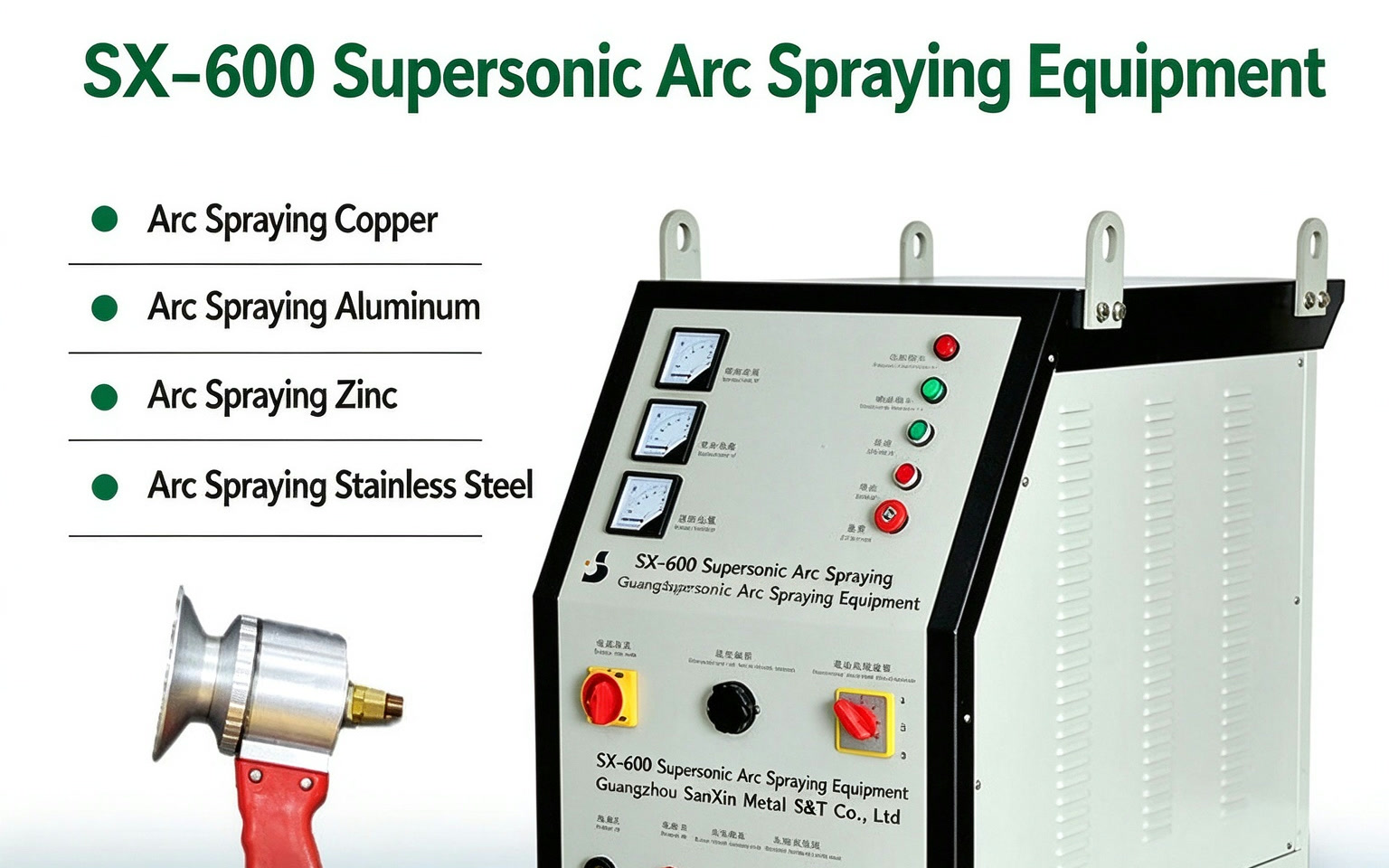
The SX-600 is a push-type supersonic arc spray system developed from the SX-500 platform. A Laval nozzle accelerates the atomizing air to supersonic speed, producing finer droplets, denser coating structures and higher bond strength than conventional arc spraying. The unit is built for hard-alloy wires and demanding industrial environments such as boiler maintenance and steel-structure corrosion protection.
Key Specifications
- Power: 21.6 kW
- Wire diameter: φ1.6 – φ3.0 mm
- Air consumption: 2.3 m³/min
- Coating bond strength: up to 70 MPa
- Particle velocity: >400 m/s
- Control: integrated circuit with automatic program protection
- Remote spray switch included for long-distance or elevated work
Applications
- Boiler tubes, fan impellers and casings
- Drying cylinders, shafts, molds and general wear/corrosion protection
- Hard-alloy, stainless steel, copper, nickel-based and chrome-based wires
- Steel structures, ships, ports and transportation equipment
What the supersonic nozzle actually changes
Conventional arc spraying atomises wire with compressed air at roughly 0.5 to 0.6 MPa and delivers particles at 100 to 200 m/s. The SX-600 passes the same air through a Laval nozzle, so the jet leaves the cap at above 400 m/s and the droplets arrive faster and smaller. Faster, smaller droplets flatten harder against the substrate, which is why bond strength reaches 70 MPa and porosity drops compared with a standard arc gun on the same wire.
The trade is that the nozzle is a wear part and the air demand is higher. A shop moving from a conventional arc unit to the SX-600 usually has to confirm its compressor can hold 2.3 m3/min at pressure during a full pass, not just at start-up.
Where it earns its cost
| Situation | Reasonable choice |
|---|---|
| Zinc or aluminium on structural steel, thickness tolerance loose | Conventional arc; the extra velocity buys little |
| Hard-alloy wire (FeCrBSi, Ni-based) where density matters | SX-600; a porous hard coating cracks under load |
| Boiler tube walls, erosion shields | SX-600; thin dense layers survive particle impact better |
| On-site work with a small compressor | Conventional arc, or a smaller cap on a reduced duty cycle |
Operating discipline
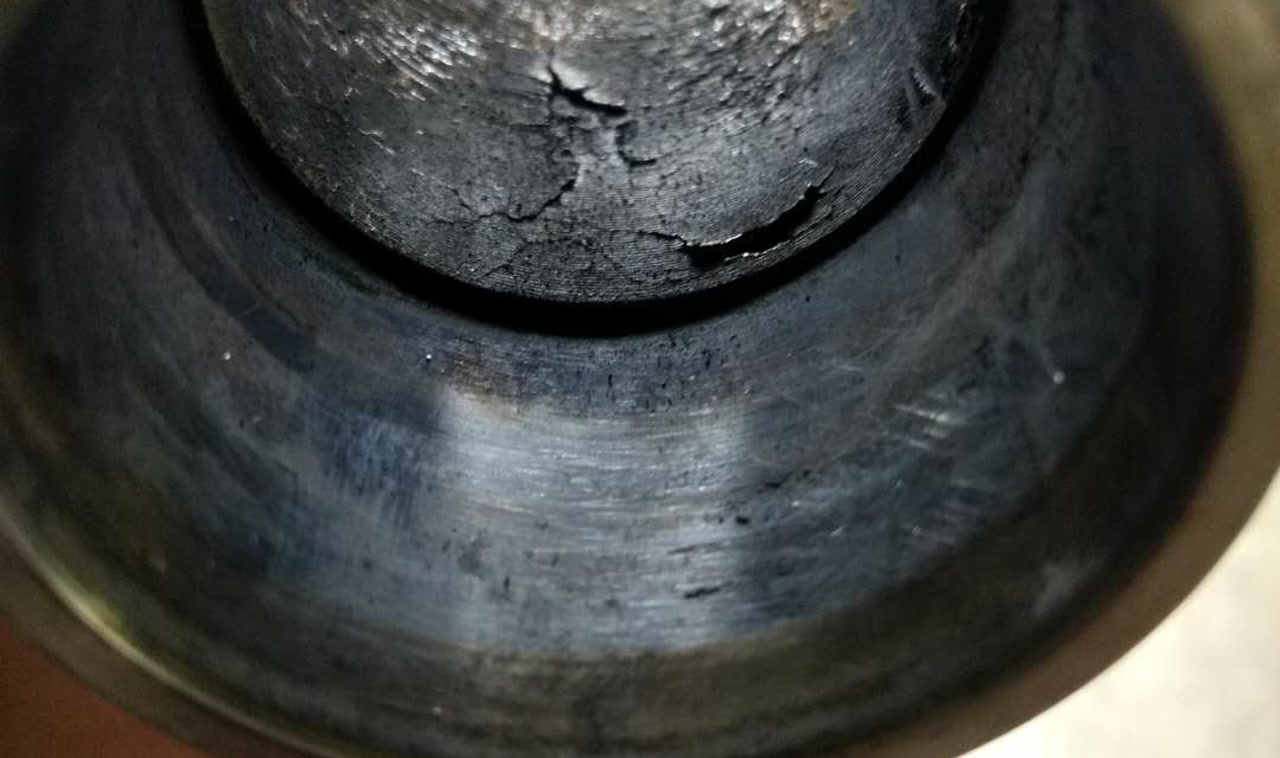
Three things decide whether the SX-600 delivers its rated bond strength: arc voltage held within about 1 V of the setting, wire feed matched to the burn-off rate so the arc length stays constant, and a nozzle that has not been eroded oval. A worn nozzle spreads the jet and the coating goes porous while every gauge still reads correctly - the coating looks fine, the pull test does not.
Before you order
Wire chemistry and diameter, the part geometry and access, required coating thickness and roughness, air supply available in m3/min at 0.6 MPa, and whether the work is in a booth or on site. Also tell us the duty cycle: a unit run eight hours at full current needs a different power supply margin than one used for repairs.
Wire types and what they give you
| Wire | Typical coating | Used for |
|---|---|---|
| Zn, Zn-Al 85/15 | Sacrificial, 100-200 um | Structural steel, bridges, offshore |
| Al 99.5 | High-temperature oxidation resistance | Boiler tubes, furnace parts |
| FeCrBSi (hard alloy) | HV 700-900, dense | Wear plates, fan blades, screws |
| Ni-Al 95/5 | Bond coat, self-bonding | Underlayer before a top coat |
| NiCr | Corrosion and oxidation to 800 C | Boiler and incinerator components |
Two wires can be run together in a mixed setup, but check the melting points before assuming it works: a zinc and a hard-alloy wire melt at very different temperatures and the arc will favour one of them. Mixed pairs work best when the two wires are metallurgically compatible, such as Zn-Al on steel.
One practical note on the nozzle: it is a consumable and it wears oval rather than simply opening up. Replace it on hours run, not on appearance, and keep the old one as a spare for non-critical work. A nozzle that has lost its shape still produces a coating, just a worse one.
Frequently asked questions
What makes the SX-600 supersonic?
A Laval nozzle accelerates the atomising air above the speed of sound, producing finer droplets and a denser coating structure than a conventional arc gun, with higher bond strength.
What is it used for?
Hard-alloy wires, boiler maintenance and industrial anti-corrosion work - applications where coating density and adhesion matter more than the lowest possible equipment cost.
What are the power and air requirements?
21.6 kW electrical input, wire from 1.6 to 3.0 mm, and about 2.3 m3/min of compressed air at the gun.