Insulating and Shielding Coatings for Coating Machines
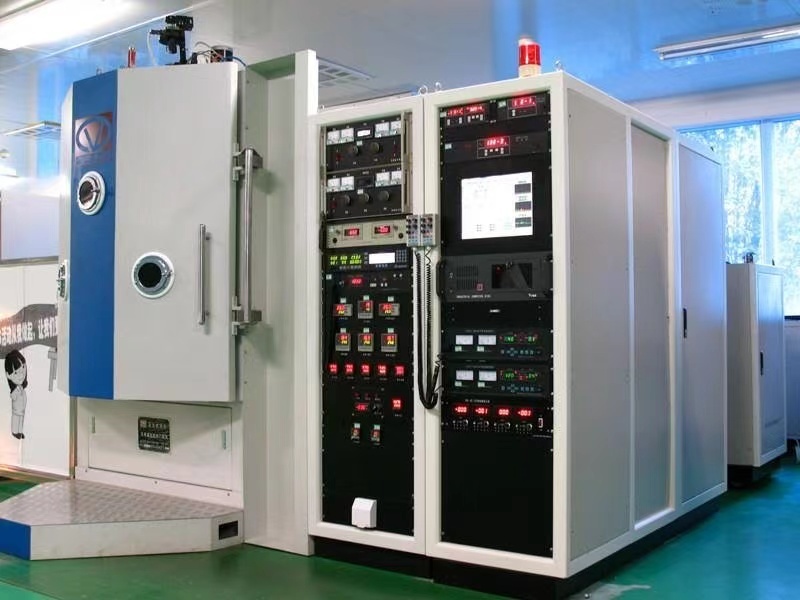
Alumina ceramic insulating and shielding coatings applied to coating machines used in the electronics industry.
Key Specifications
- Spray-fused alumina ceramic applied with American Miller plasma equipment.
- Alumina material purity above 99%, able to withstand a voltage of 4000 V.
- Coating thickness is uniform at 50 µm, with adhesion strength of 15 MPa and hardness of HV900.
- Used for insulating coatings on baffles and shielding plates in various coating machines.
Coating specification
| Parameter | Typical value |
|---|---|
| Coating material | Al2O3, 99% purity |
| Process | Plasma spraying, sealed after spraying |
| Thickness | 50-300 µm |
| Dielectric withstand | 4,000 V at 50 µm; higher with thickness |
| Microhardness | HV 900 typical |
| Bond strength | 15 MPa minimum on aluminium and stainless substrates |
| Surface finish | Ra 0.8-1.6 as sprayed; polished where the part contacts wafers or masks |
Where the coating goes
Inside a vacuum coating or sputtering machine, the shields, chamber walls, target surrounds and fixture plates are all at different potentials. An alumina layer on those surfaces prevents arcing between them, stops stray deposition from shorting the plasma, and protects aluminium parts from the fluorine-based chemistries used in etching.
What decides whether it survives
- Sealing. A plasma alumina layer is porous by nature. Vacuum service pulls process gas into open pores, so a sealer is applied and cured before the part goes back into the chamber.
- Edge and hole coverage. Thin coverage at masked holes is where arcing starts. We map thickness at every aperture, not just on the flat face.
- Surface preparation on aluminium. Aluminium oxidises within minutes of blasting; parts are sprayed the same shift, without exception.
- Thermal cycling. Repeated pump-down and vent cycles stress the interface, so a thin bond layer is used on large shields.
Frequently asked questions
Can the coating be stripped and reapplied?
Yes. Alumina is stripped chemically or by controlled blasting, the aluminium substrate is inspected for pitting, then recoated. Shields are normally recoated several times before replacement.
Will the coating change the chamber's vacuum performance?
Not when it is sealed and properly outgassed. Unsealed porous coatings can raise pump-down time, which is exactly why sealing is standard on vacuum parts.
Do you coat parts that see fluorine plasma?
Yes, with alumina or yttria depending on the chemistry. Yttria is preferred where fluorine attack is severe and the customer accepts the higher cost.
Further reading: HVOF vs plasma spraying.