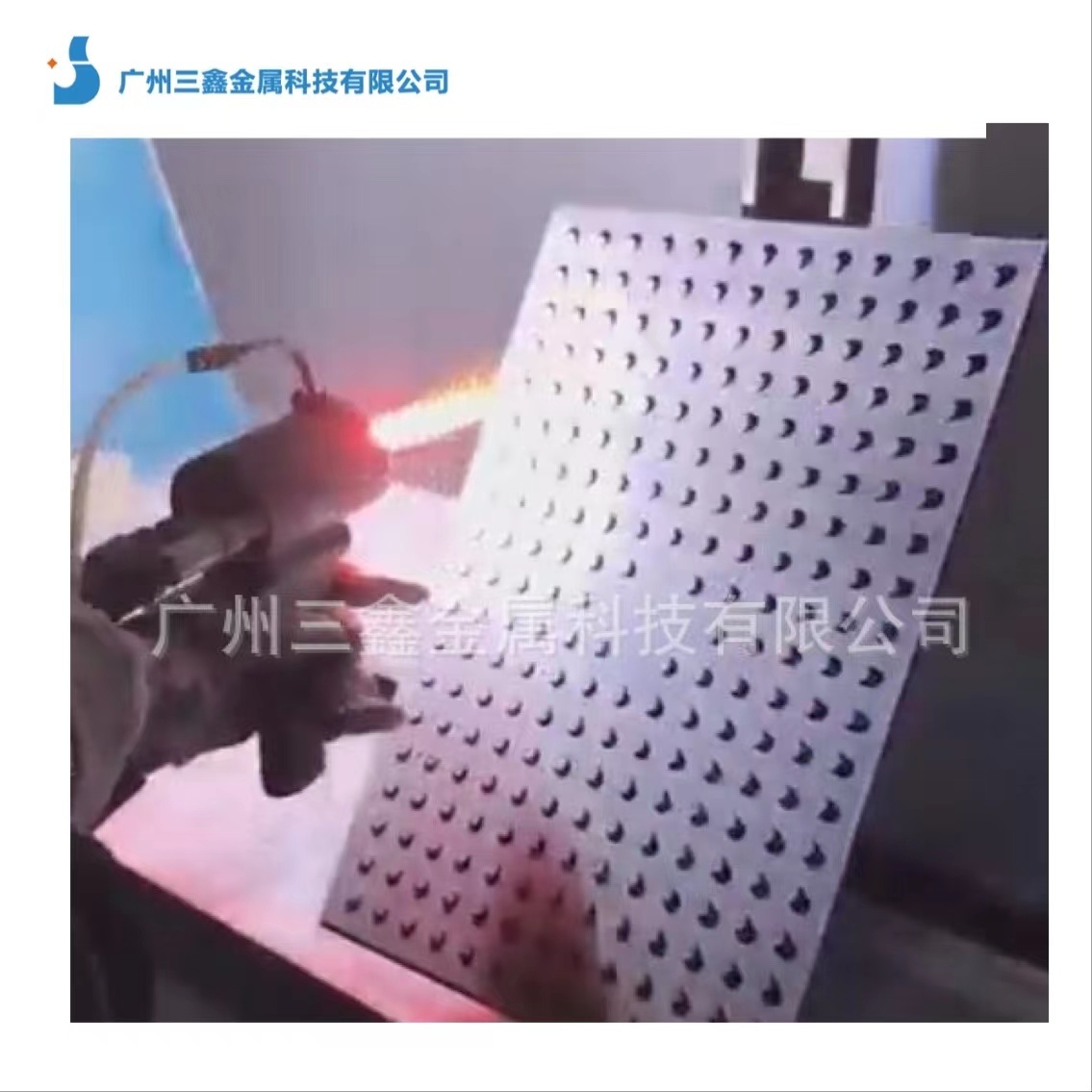
Graphite Boat Yttria-Stabilized Zirconia Coating
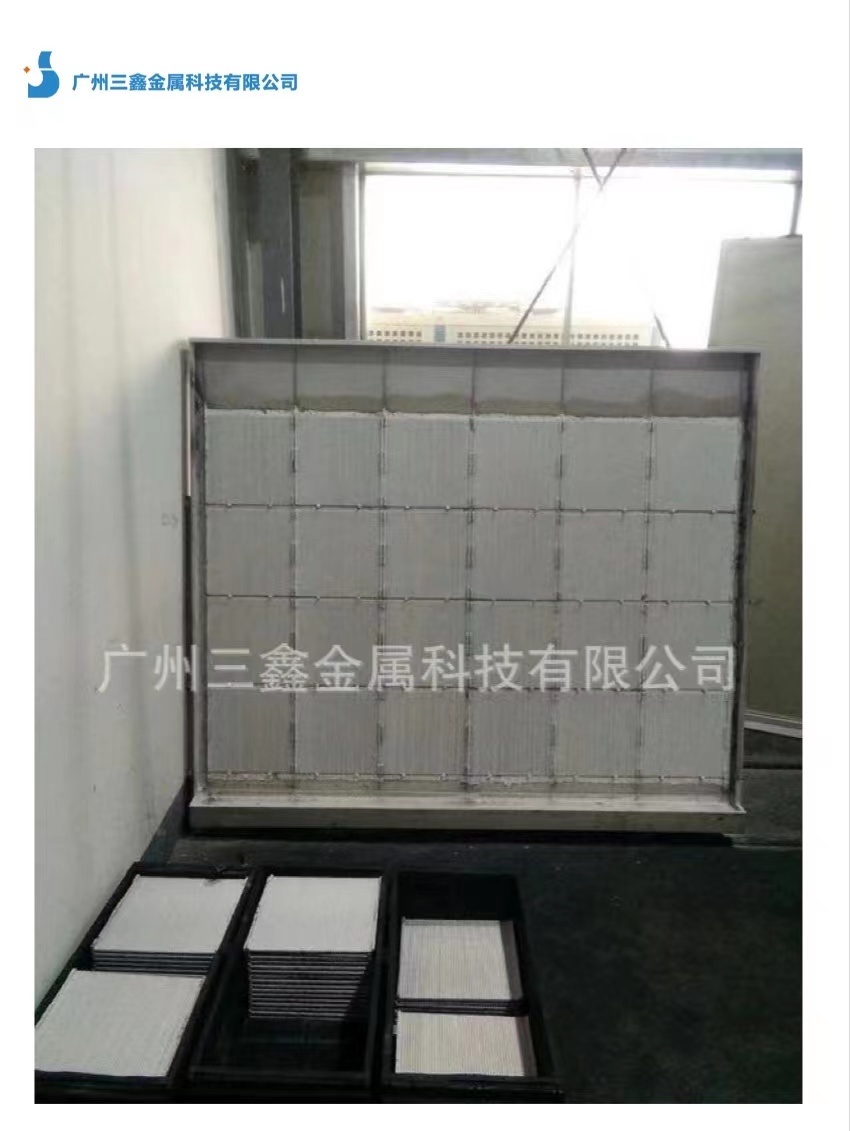
Graphite boat dishes, crucibles and plates are widely used as sintering fixtures in the cemented carbide and powder-metallurgy industries. During high-temperature operation the graphite surface is eroded by process gases and metal oxides, shortening service life and contaminating the product.
Guangzhou Sanxin applies a dense yttria-stabilized zirconia (YSZ) ceramic layer to graphite boat surfaces by atmospheric plasma spraying. The zirconia coating forms a stable, high-temperature barrier that:
- Protects the graphite substrate from oxidation and chemical attack
- Improves surface hardness and abrasion resistance
- Reduces adhesion of sintered powder, making cleaning easier
- Extends the working life of graphite boats by several cycles
Process and Equipment
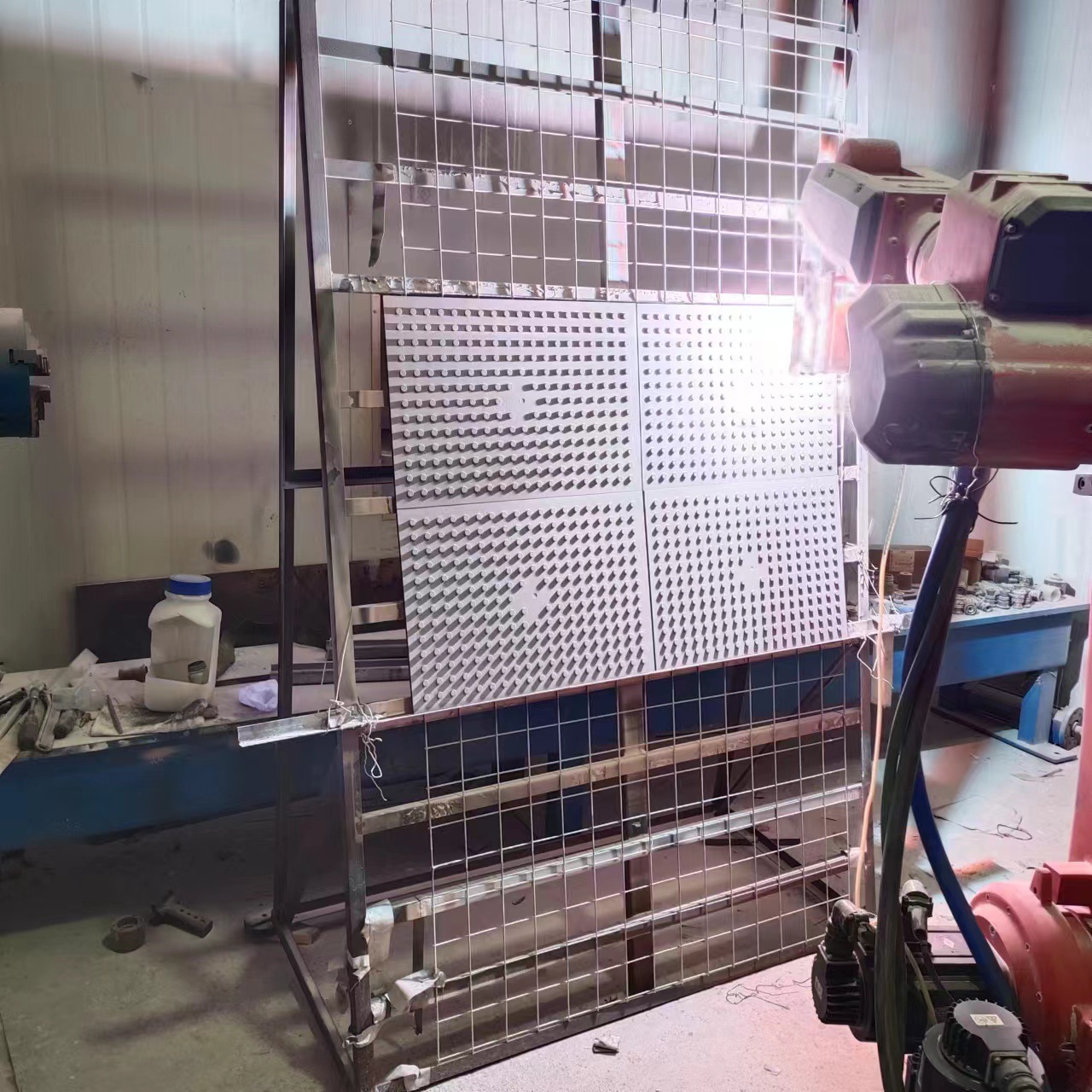
The coating is produced on Sanxin's SX-80 plasma spraying system, configured with an imported SG-100 plasma gun, closed-loop powder feeder and PLC-controlled process gas system. Typical workflow includes:
- Incoming inspection and surface pre-treatment of graphite boats
- Masking of non-coating areas and fixture mounting
- Controlled plasma spraying of yttria-stabilized zirconia powder
- Coating thickness, roughness and visual inspection
- Packaging and delivery with process report
Application Fields
- Cemented carbide sintering boats and plates
- Graphite crucibles for powder metallurgy
- High-temperature fixtures and setter plates
- Thermal process equipment requiring ceramic protection
Experience
Sanxin has supplied nearly 20 yttria-zirconia graphite boat coating production lines and supporting technical services to China's cemented carbide industry. Turnkey solutions are available covering equipment, spraying process, operator training and spare-parts support.
Solicitar cotización
Send us your boat dimensions, operating temperature and cycle requirements. We will recommend coating thickness, surface preparation and turnaround time.
Coating specification
| Parameter | Standard range | Note |
|---|---|---|
| Coating | ZrO2-8Y2O3 (yttria-stabilised zirconia) | Partially stabilised, thermally cycling without phase spalling |
| Thickness | 0.10-0.30 mm | Thicker layers crack on graphite because of CTE mismatch |
| Porosity | 3-8% | Segmented structure tolerates thermal shock |
| Bond strength | 20-40 MPa | Mechanical keying; no metallic bond coat on graphite |
| Maximum service temperature | 1,400 °C | Short excursions, inert or vacuum atmosphere |
| Surface finish | Ra 3-6 µm as sprayed | Not ground - keeps the thermal shock resistance |
Why graphite needs a thin zirconia layer
Graphite has a thermal expansion coefficient of roughly 4.5 × 10⁻⁶/K; zirconia is around 10 × 10-6/K. That mismatch means a thick coating will always crack on cooling. The workable design is a thin, segmented layer that relieves stress at the splat boundaries instead of accumulating it - which is why we limit graphite boats to 0.10-0.30 mm and do not grind the surface afterwards.
A metallic bond coat is deliberately omitted. On graphite it introduces an interface that oxidises and fails; a direct ceramic layer with a controlled, slightly rough profile lasts longer in sintering service.
Frequently asked questions
How much longer does a coated graphite boat last?
In cemented carbide sintering fixtures, customers typically report two to four times the life of uncoated graphite, because the coating stops the powder from reacting with the carbon surface and reduces erosion during loading and unloading.
Can you coat carbon-carbon composite fixtures too?
Yes. The same thin YSZ approach applies, with the spray parameters adjusted for the lower thermal conductivity of C/C.
Does the coating need rework between cycles?
Normally not. Inspect for chipped areas at each fixture change; a boat is recoated when the graphite underneath becomes visible over a significant area.
Further reading: HVOF vs plasma spraying.