Main Features
Plasma Cladding Coating
High Hardness: Delivers outstanding wear resistance and scratch resistance.
Good Corrosion Resistance: Resists erosion by various acid, alkali and salt solutions.
Excellent Bonding Strength: Improves the overall performance of substrate materials.
Strong Adaptability: Applicable to a wide range of metals such as stainless steel and aluminum alloy.
Nano Ceramic Coating
Ultra-fine Particles: Improves coating compactness and uniformity.
Low Thermal Expansion Coefficient: Reduces stress induced by temperature changes.
Superior Insulation Performance: Enhances electrical isolation.
High Oxidation Resistance: Maintains stable performance under high-temperature conditions.
Professional Construction Team
Rich experience in the lithium battery industry.
High-caliber technicians and advanced construction equipment.
Strict quality control procedures to ensure compliance with standards at every stage.
Comprehensive Service Scope
Equipment Evaluation & Diagnosis: Analyze the condition of existing equipment and propose improvement suggestions.
Construction Preparation: Pretreatments including cleaning, grinding, preheating, etc.
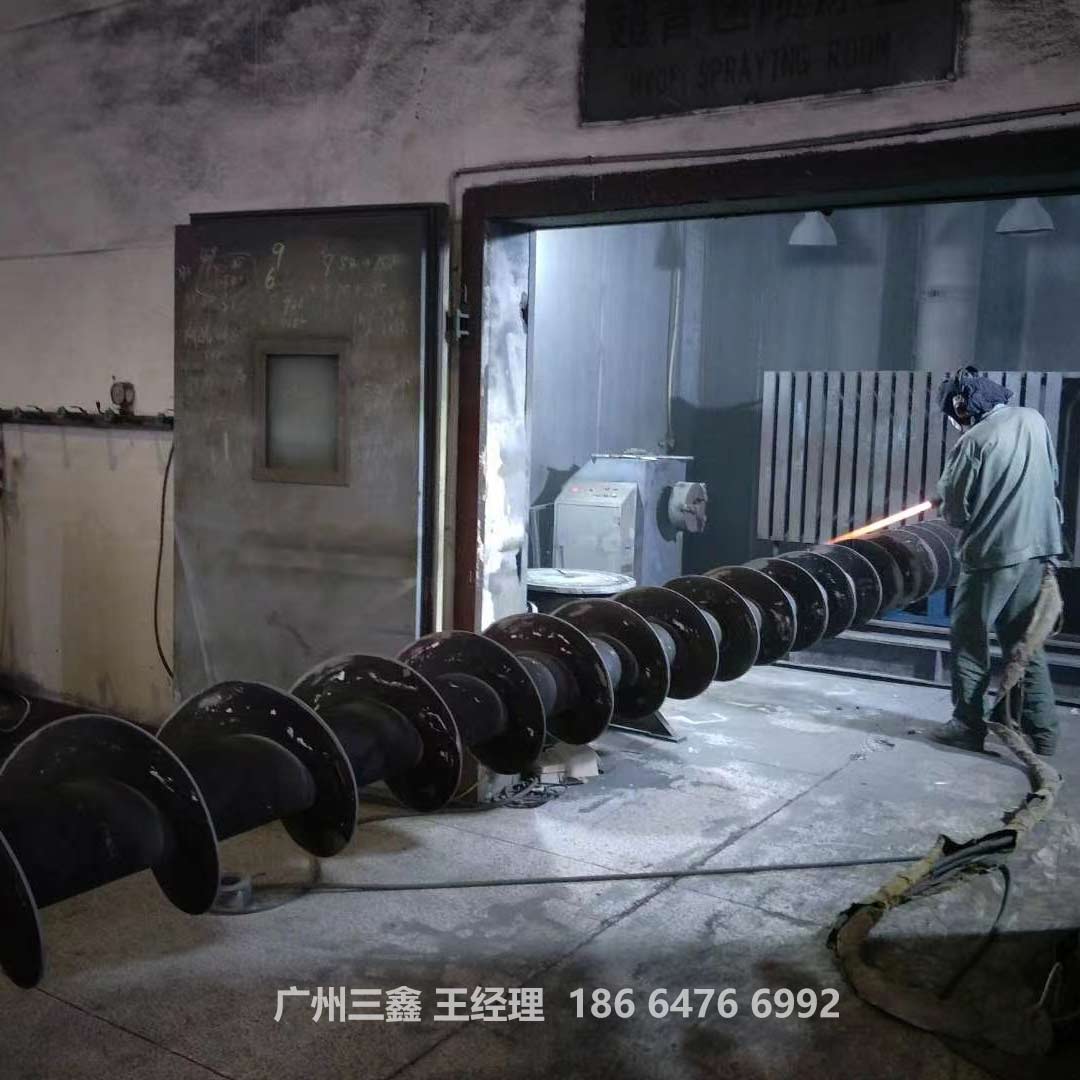
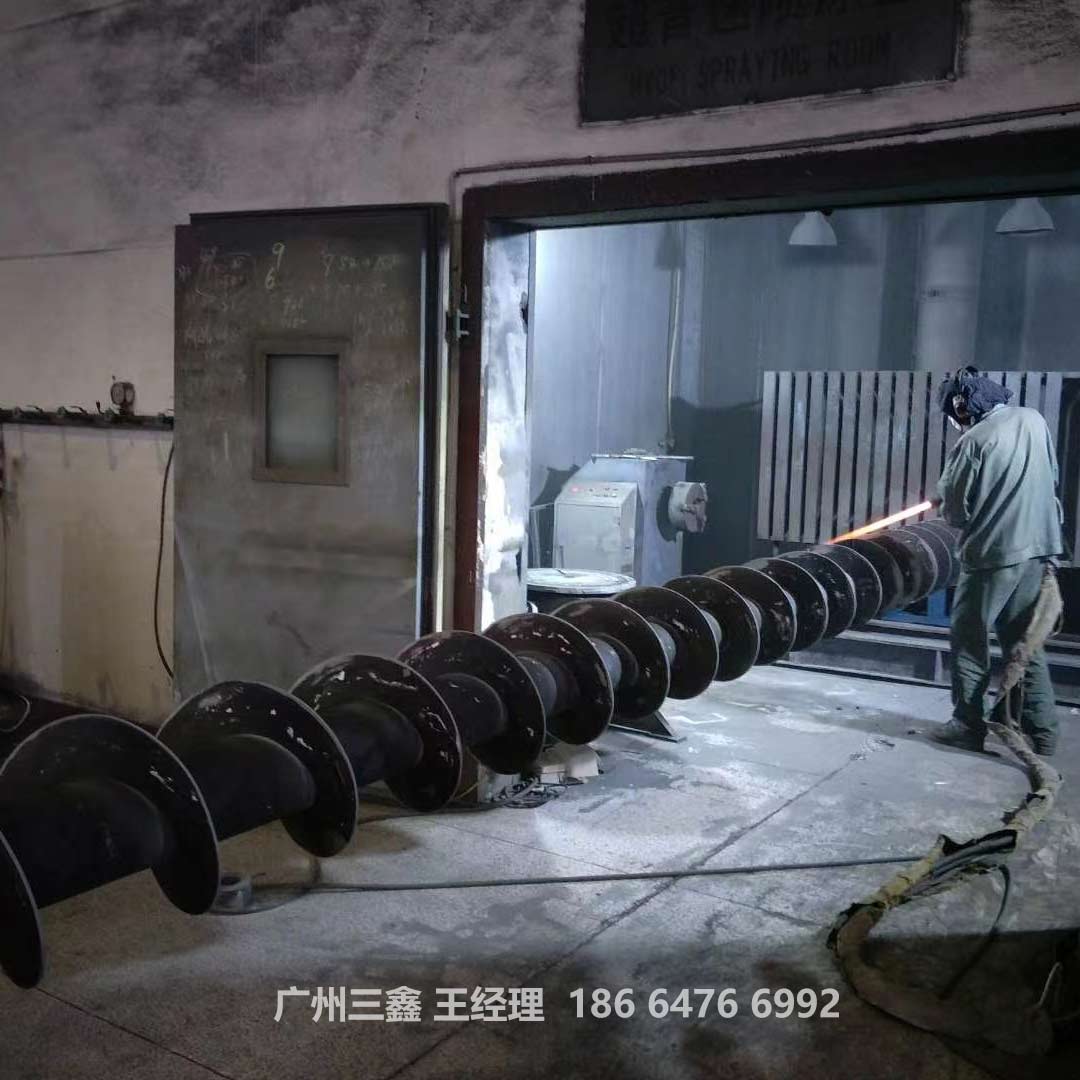
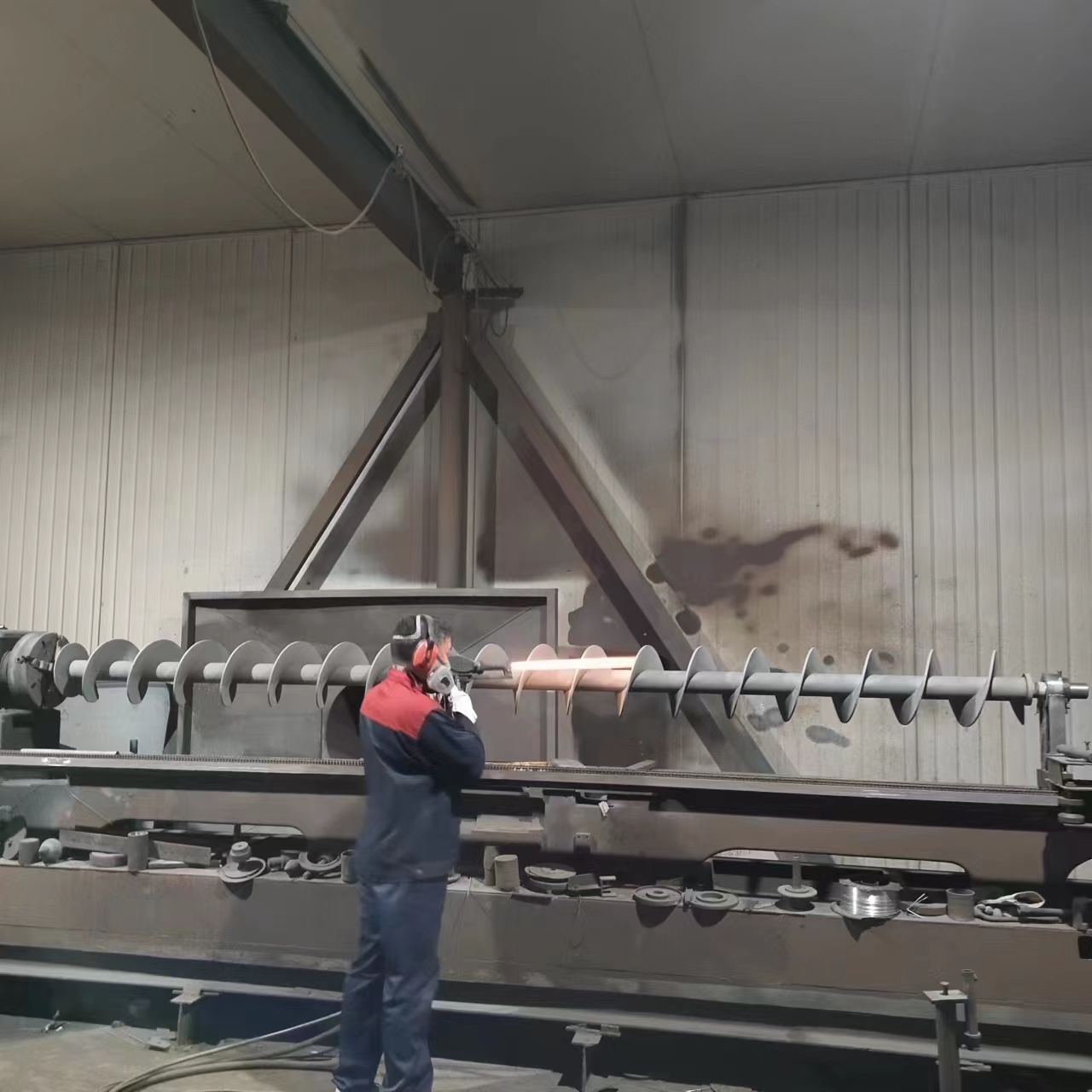
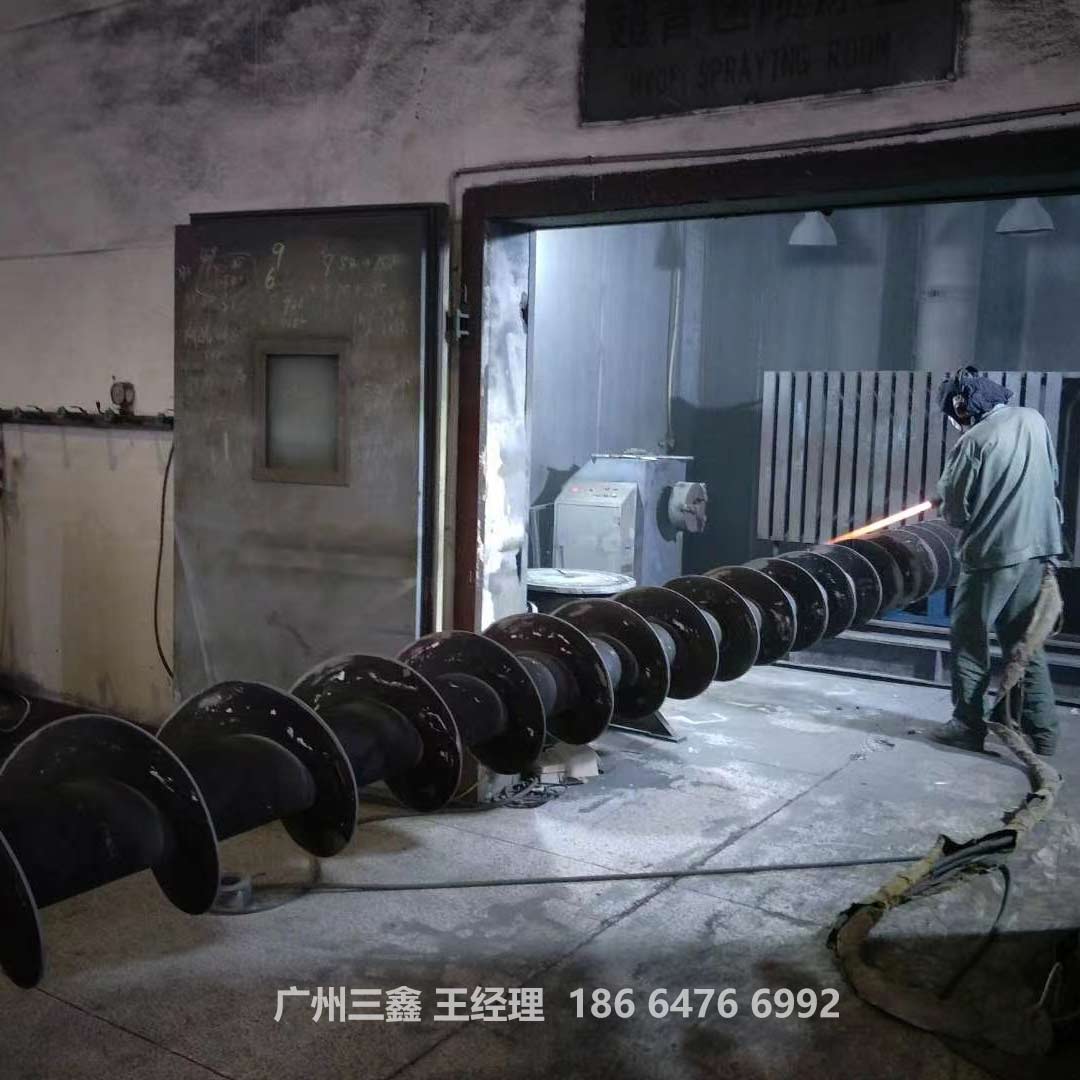
Coating Spraying: Adopt advanced plasma cladding and nano ceramic spraying technologies.
Quality Inspection: Non-destructive testing methods for coating quality verification.
After-sales Maintenance: Provide regular inspections and technical support.
Application Scenarios
Battery Housings: Improve corrosion resistance and wear resistance of housings.
Current Collectors: Enhance electrical conductivity and mechanical strength.
Electrode Sheets: Boost electrode stability and service life.
Sealing Rings: Strengthen sealing performance and prevent leakage.
Other Components: Protection for critical parts such as shell covers and gaskets.
Customer Cases
Successfully delivered coating solutions for multiple well-known lithium battery enterprises.
Achieved remarkable improvement in equipment performance and extended service life.
Gained high recognition and positive feedback from customers.
Summary of Advantages
Efficient & Reliable: Rapid response to customer requirements and guaranteed construction schedule.
Technological Innovation: Continuously introduce state-of-the-art surface treatment technologies and processes.
Premium Services: Provide all-round technical support and service assurance.
Application Scenarios (Detailed)
Battery Housings
Requirements: Long service life and high corrosion resistance.
Solution: Plasma cladding coating or nano ceramic coating.
Effect: Improve corrosion and wear resistance of housings and extend battery life.
Current Collectors
Requirements: High electrical conductivity and high strength.
Solution: Plasma cladding coating.
Effect: Enhance electrical conductivity and mechanical strength to improve battery efficiency.
Electrode Sheets
Requirements: Stability and long service life.
Solution: Nano ceramic coating.
Effect: Improve electrode stability and service life, and enhance battery performance.
Sealing Rings
Requirements: Good sealing performance and leakage prevention.
Solution: Plasma cladding coating.
Effect: Reinforce sealing effect, prevent electrolyte leakage and improve battery safety.
Other Components
Requirements: Diverse needs for shell covers, gaskets and other parts.
Solution: Select appropriate coating technology according to specific requirements.
Effect: Improve durability and reliability of each component and upgrade overall battery performance.
Key Technologies
Plasma Cladding Technology
Principle: High-temperature plasma flame heats powder materials to molten state, which are sprayed onto the substrate surface at high speed to form a dense cladding layer.
Advantages:
Rapid solidification at high temperature yields fine grains.
High bonding strength and good wear resistance.
Suitable for repairing and strengthening parts with complex shapes.
Nano Ceramic Coating Technology
Principle: Nano-sized ceramic powder is deposited on the substrate surface under specific conditions to form a dense and uniform nano ceramic coating.
Advantages:
High compactness and low porosity.
Excellent mechanical and thermal properties.
High temperature resistance and superior oxidation resistance.
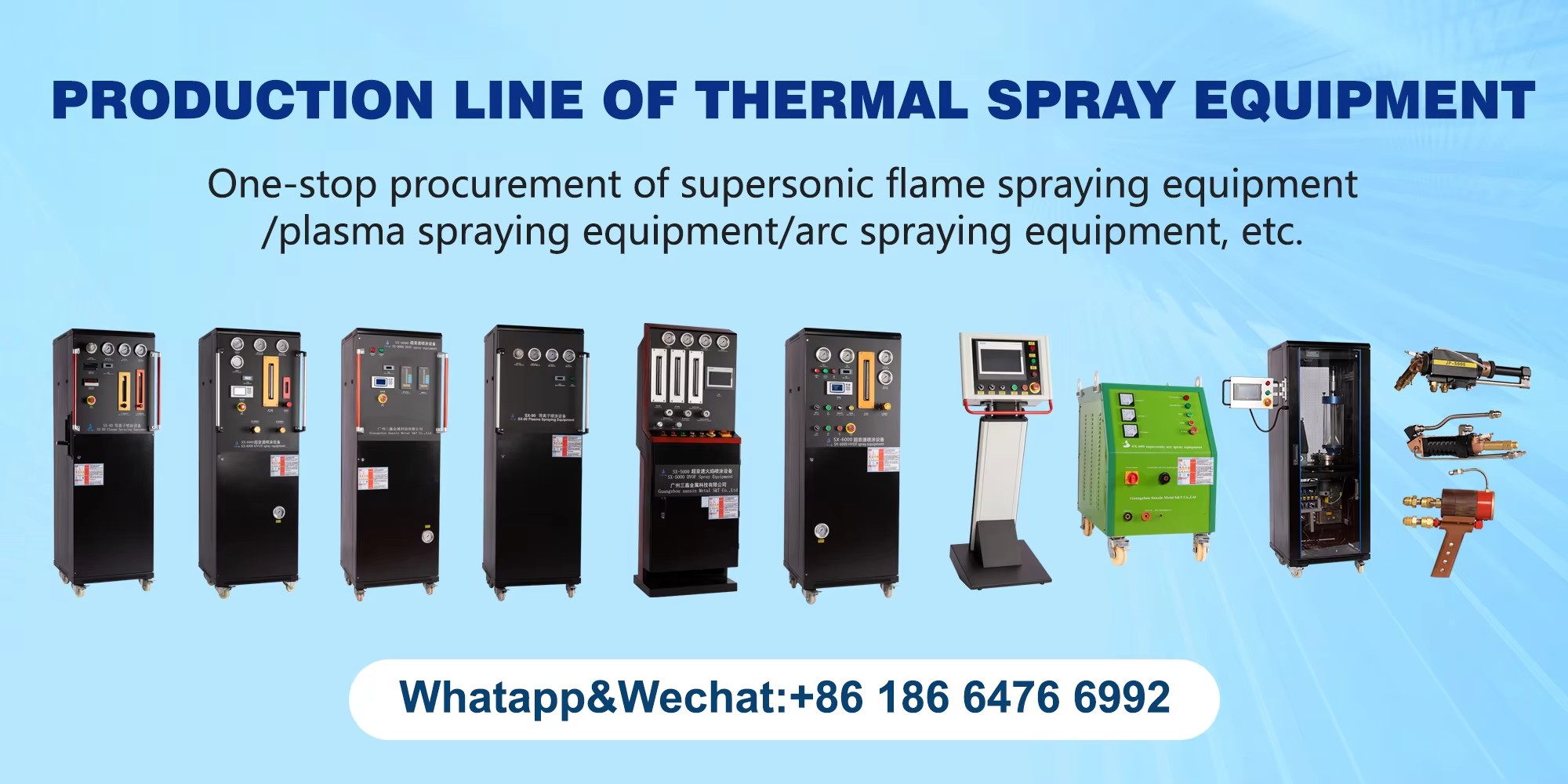
Key Equipment
Plasma Cladding Equipment
Function: Heat powder materials via plasma flame and spray them onto substrate surfaces.
Advantages:
High-precision and high-quality coating deposition.
Widely compatible with various metal substrates.
Nano Ceramic Spraying Equipment
Function: Spray nano ceramic powder onto substrate surfaces through vapor deposition or other methods.
Advantages:
Produces highly compact coatings.
Delivers excellent mechanical and thermal properties.
Automated Control System
Function: Control spraying parameters such as gun travel speed, powder flow rate, temperature and pressure.
Advantages:
Enables efficient spraying operations.
Reduces human error and ensures consistent coating quality.
Vacuum Chamber
Function: Creates a vacuum environment to avoid contamination from external impurities.
Advantages:
Minimizes oxidation and improves coating consistency and stability.
Cooling System
Function: Dissipates heat generated during spraying and maintains normal operating temperature of the system.
Advantages:
Guarantees coating quality and extends equipment service life.
Safety Devices
Safety Interlock Locks: Prevent misoperation.
Smoke Detectors: Detect abnormal conditions.
Protective Goggles and Respirators: Protect operators’ health.
Coating selection for battery plant equipment
| Component | Recommended coating | Thickness | Problem solved |
|---|---|---|---|
| Cathode/anode material crusher and classifier | Al2O3-TiO2 or WC-Co | 0.30-1.00 mm | Metal contamination and abrasive wear |
| Battery housing and cover | Nano ceramic or plasma clad layer | 0.05-0.20 mm | Corrosion and scratch resistance |
| Current collector foil rollers | Cr2O3 or WC-Co, polished | 0.15-0.30 mm | Wear with controlled surface finish |
| Sealing rings and gaskets seats | Al2O3, sealed | 0.15-0.30 mm | Leak path elimination |
| Electrode sheet tooling | Nano ceramic | 0.05-0.15 mm | Adhesion prevention and insulation |
The contamination question
In lithium battery material processing, a coating that contains cobalt, nickel or iron is a liability: wear debris becomes a metallic impurity in the active material and shows up as self-discharge or a safety issue. This is why alumina-based coatings are preferred over carbide in the material-contact zones, even where carbide would wear longer. Where carbide is unavoidable - heavy crushing duty - it is used on the outside of the wear part, never on the product-contact face.
Construction sequence for plant equipment
Equipment assessment → surface preparation and masking → bond coat where specified → spray or clad → controlled cooling → grinding or polishing → non-destructive inspection → documentation including coating thickness map and material certificates.
Frequently asked questions
Can coating be done during a plant shutdown?
Yes, and most of our battery plant work is scheduled that way. Portable equipment allows work on installed machinery, with the shutdown window planned around the cure time.
Do you supply material certificates for contamination control?
Yes. Powder batch certificates and a coating composition statement are provided so the material can be cleared against the customer's contamination specification.
Does the coating affect dimensional accuracy of tooling?
Finished dimensions are held to the drawing tolerance after grinding, typically ±0.01 mm on roll diameters and flatness within 0.02 mm on plates.
Further reading: What drives coating cost per part.