Three coatings that do most of the work
Aerospace thermal spray is not one product. In practice three coating families cover the majority of parts we see, and each has its own acceptance logic.
Thermal barrier coating on hot-section parts
A TBC is a two-layer system and both layers matter. The bond coat is an MCrAlY - typically NiCoCrAlY - sprayed 0.10-0.15 mm thick by HVOF or vacuum plasma. It provides oxidation resistance and, just as importantly, the roughness and mechanical key the ceramic needs. The top coat is yttria-stabilised zirconia at 7-8 wt percent Y2O3, sprayed 0.25-0.40 mm by air plasma, with porosity deliberately kept in the 8-15 percent range.
That porosity is not a defect. A fully dense ceramic has a thermal expansion mismatch against the metal that builds up strain with every cycle and spalls within a few thermal cycles. The pores accommodate that strain. This is why "denser is better" is the wrong instinct for a TBC, and why a supplier quoting zero porosity is telling you they do not understand the application.
Abradable seals
Compressor and turbine shroud seals are designed to be rubbed by the blade tips so the running clearance closes to near zero. The coating therefore has to be soft enough to be cut by the blade without damaging it, and stable enough not to erode away. Nickel-graphite systems are used in the turbine section, aluminium-silicon-polyester in the compressor, both sprayed with porosity of 20-35 percent. The measurement that matters is not thickness but the rub behaviour, which is checked on a test coupon with the same spray parameters.
Blade tip and knife-edge restoration
Worn tip clearance is recovered by spraying a hard layer on the tip and grinding it back to the drawing dimension - tungsten carbide by HVOF for compressor blades, a wear-resistant alloy for turbine knife edges. The limit is the blade wall thickness: if the tip has been thinned below the drawing minimum, spraying does not fix it and the blade is scrapped.
Why we spray with kerosene, not hydrogen
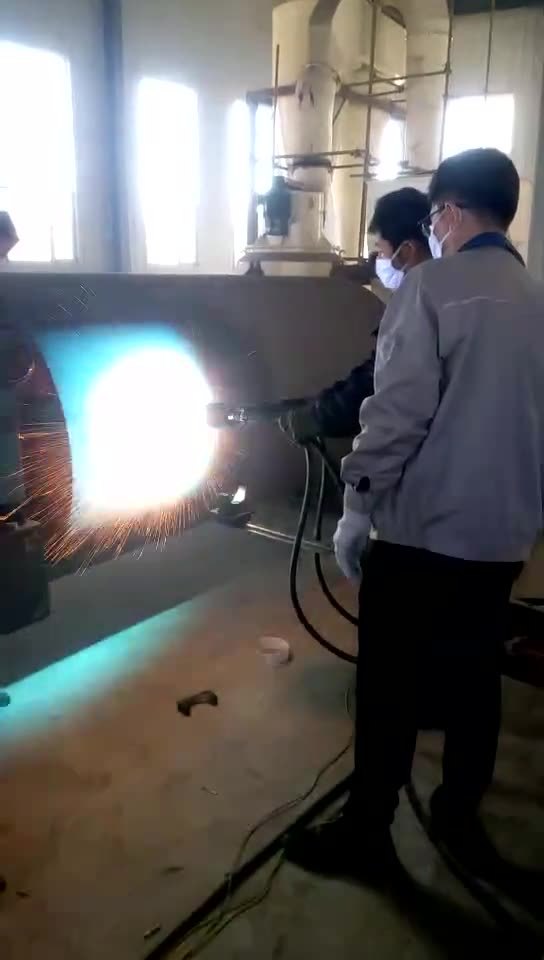
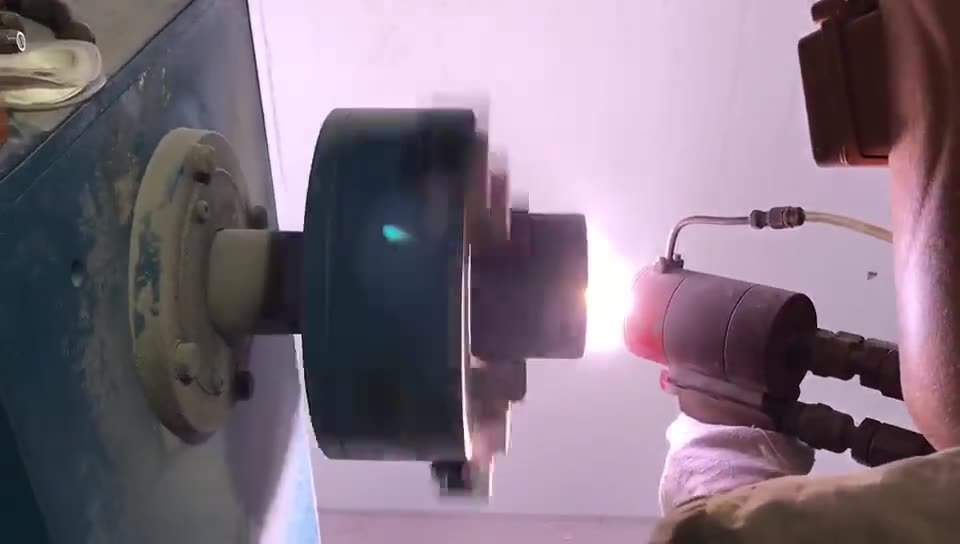
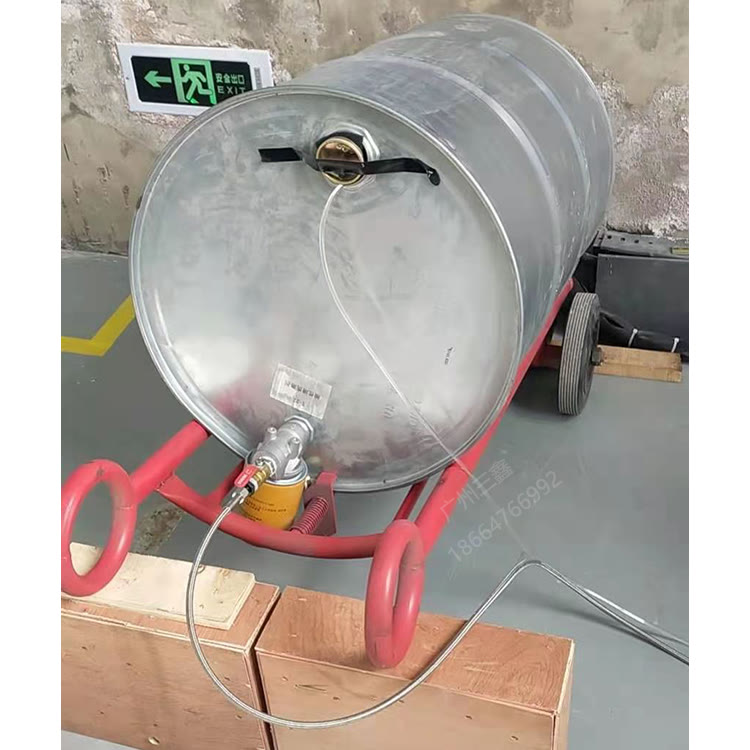
Most HVOF systems run on hydrogen or propylene. Aerospace plants in China often cannot store hydrogen on site for permitting and safety reasons, and that is exactly the constraint our SX-8000 kerosene-fuelled supersonic system was developed for. Kerosene plus oxygen gives a flame temperature and particle velocity in the same range as hydrogen HVOF for carbide coatings, with fuel that is delivered by tanker and stored in a normal fuel cabinet. For a plant building a captive coating cell rather than buying coated parts, that difference decides whether the project is approvable at all.
Typical coating specifications
| Coating | Process | Thickness | Key acceptance figure |
|---|---|---|---|
| YSZ thermal barrier | APS (top) + HVOF/VPS (bond) | 0.25-0.40 mm | Porosity 8-15 %, bond strength > 25 MPa |
| MCrAlY bond coat | HVOF or VPS | 0.10-0.15 mm | Oxide content < 2 %, roughness Ra 4-8 um |
| Ni-graphite abradable | Plasma | 0.5-2.0 mm | Porosity 20-35 %, rub test on coupon |
| AlSi-polyester abradable | Plasma | 0.5-1.5 mm | Porosity 25-40 %, adhesion per bend test |
| WC-Co blade tip | HVOF | 0.15-0.30 mm | Hardness 1000-1200 HV0.3, bond > 70 MPa |
An honest note on airworthiness
Coating a part that goes back into a flying engine is not the same as coating an industrial part. Airworthiness requires the work to be done by an approved maintenance organisation under its own capability list, with traceable powder batches, calibrated equipment and a quality system audited by the regulator. We supply the equipment, the process development and the coating of test coupons and non-flight hardware. We do not represent ourselves as a Part 145 repair station, and we will tell a customer directly when a job needs to go to one.
What we can do is help a maintenance organisation build the capability: specify the cell, commission the gun and turntable, develop parameters on their coupons, and train their operators. Several of the aerospace lines we have delivered were built exactly this way.
What we need to quote
Component drawing with the coating callout, base material and heat treatment, the specification the coating must meet (AMS number if there is one), quantity per year, and whether the requirement is equipment, contract coating, or process development on your samples.
Frequently asked questions
Do you coat flight parts?
No. Flight hardware must be coated by an approved maintenance organisation under its own capability approval. We supply the spray systems, develop the process on customer coupons, and coat non-flight and test hardware. If your part needs an airworthiness release, we will tell you to use a Part 145 shop rather than take the work.
Why is porosity allowed in a thermal barrier coating?
Because a fully dense ceramic cannot survive thermal cycling. The ceramic and the metal expand at different rates, and a dense layer accumulates strain until it spalls. Controlled porosity of 8-15 percent lets the coating accommodate that strain. It is a designed property, specified and measured, not a manufacturing defect.
Can you supply a complete coating cell rather than just a gun?
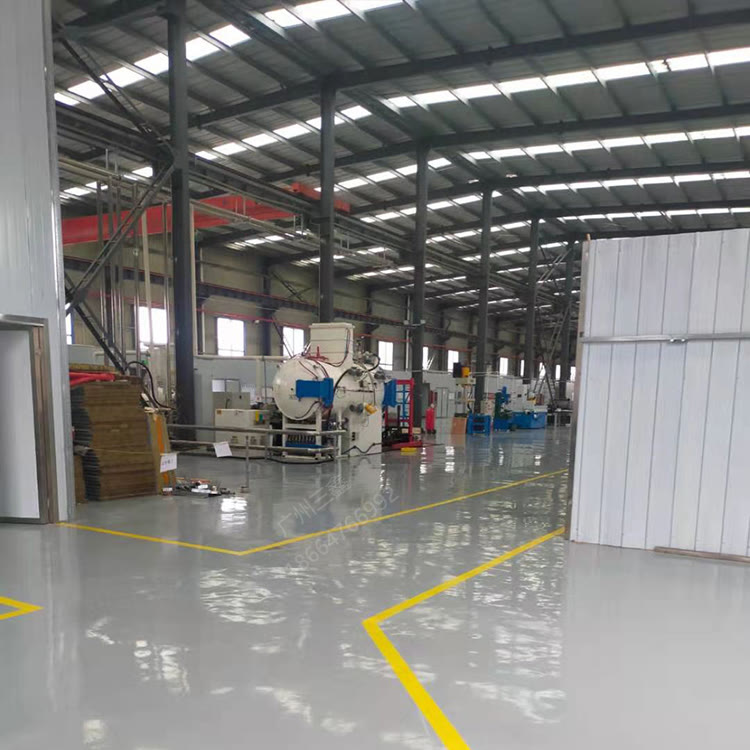
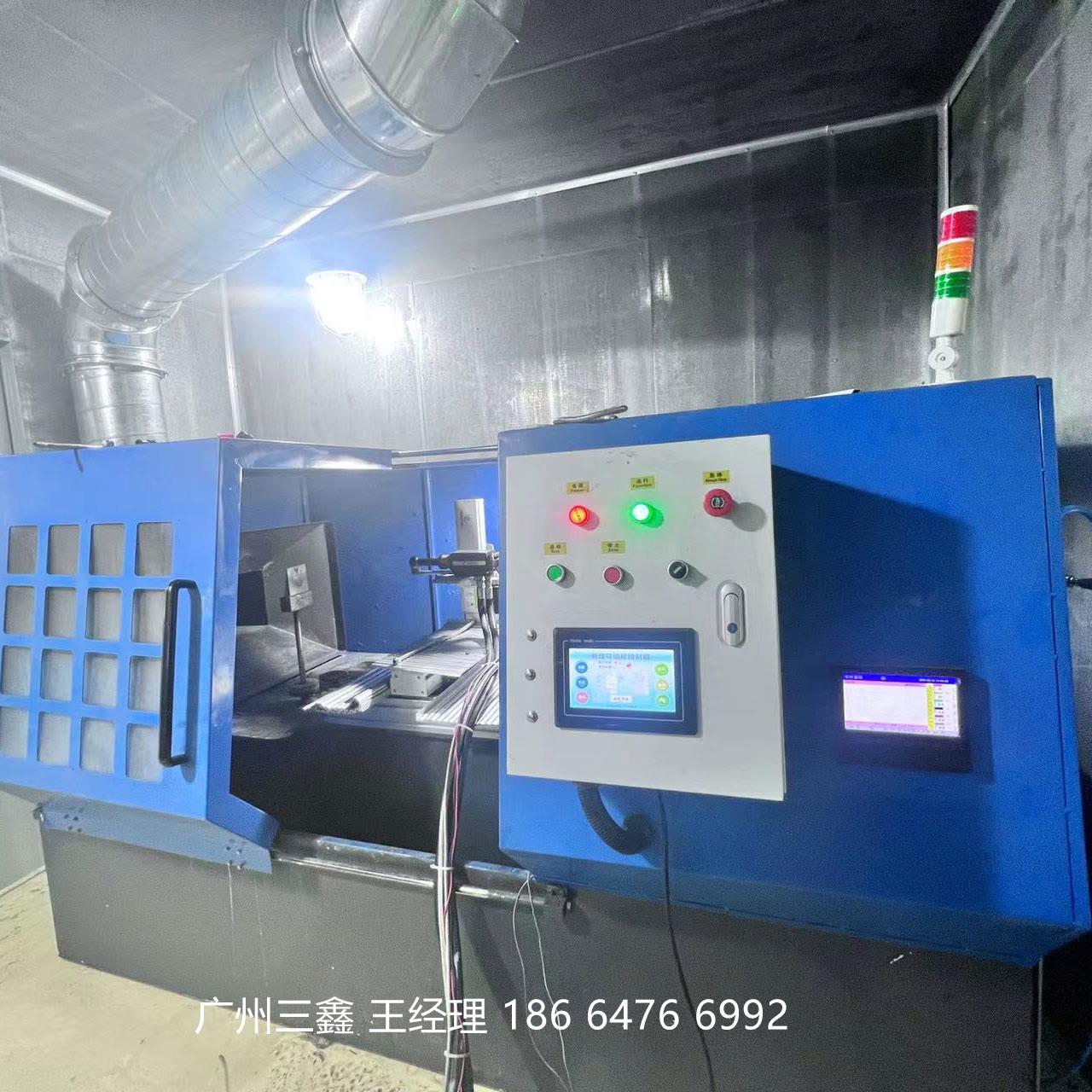
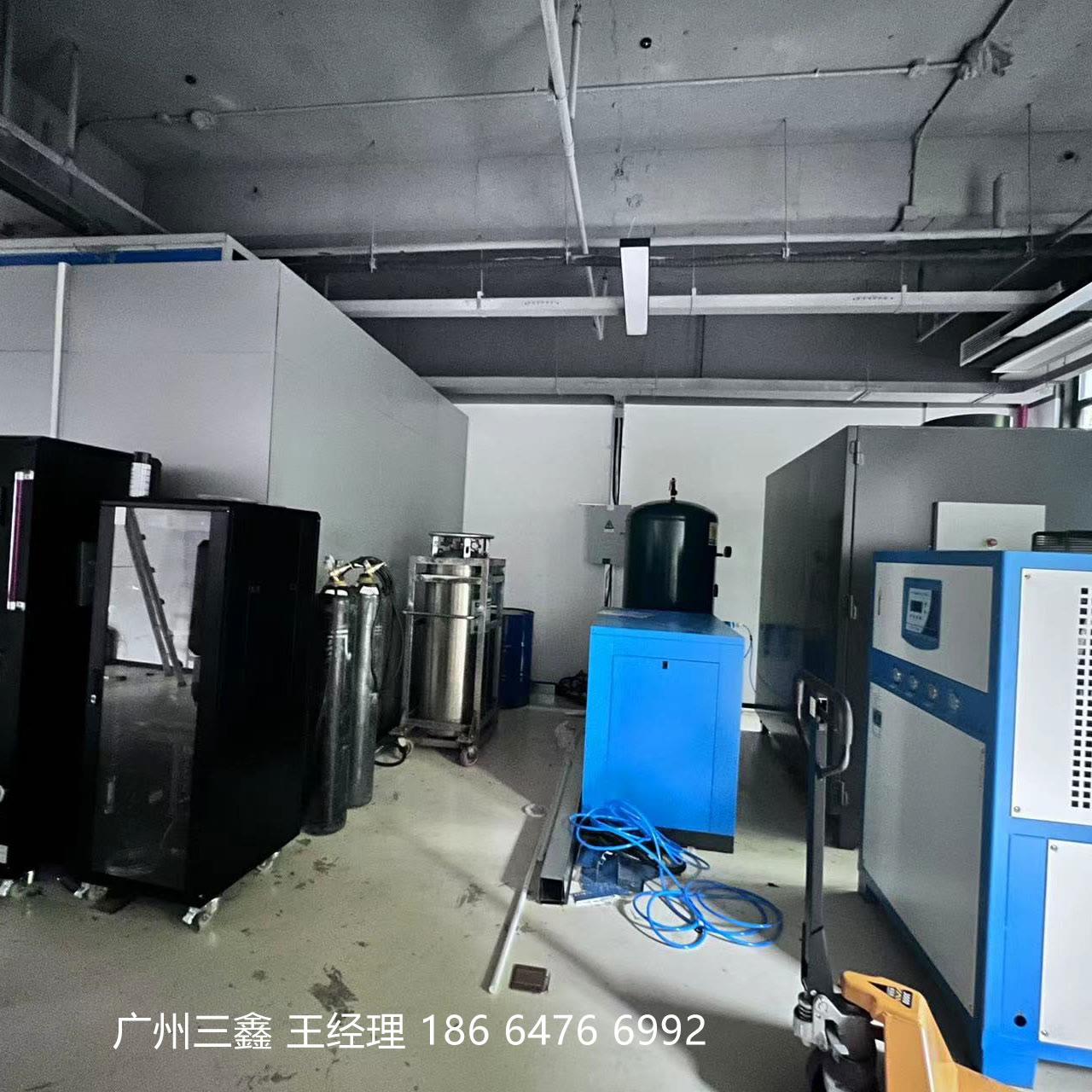
Yes. A typical delivery includes the spray system, a turntable or robot, a soundproof booth, dust extraction, powder feeding and the control cabinet, installed and commissioned on site. We have built complete cells for aero-engine plants in Guiyang and for gas turbine works in Harbin.
What fuel does your supersonic system use?
The SX-8000 runs on kerosene and oxygen. That was a deliberate choice for the Chinese market, where storing hydrogen on an industrial site is often not permitted. Coating quality for carbide and MCrAlY is comparable to hydrogen HVOF, and the fuel logistics are far simpler.